


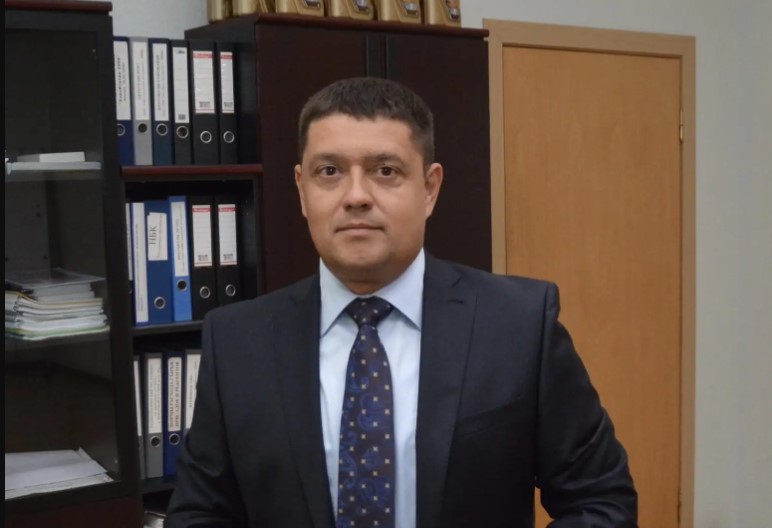
A member of the VIGIL JOURNAL expert council with 30 years of experience in the oil and gas industry Artyom Voytovich tells Mikhail Azhgirevich the whole truth.
Artem Voitovich: "Calling this uneven distribution is like saying a person isn't sick, they just have an uneven temperature distribution"
— Artem Evgenievich, let's be direct right away. Officials say there is no fuel shortage in the country, only "uneven distribution." As an expert with experience working at refineries themselves, do you agree with that framing?
— That framing seems strange to me. Physically, gasoline exists in the country, and the total production volume is theoretically sufficient for the domestic market under normal logistics. But the word "uneven" partially masks the scale of the problem. When a specific region has independent gas stations completely out of gasoline, while network gas stations sell fuel only on even or odd days, ration it by quantity and time of day — that is no longer uneven distribution. That is a supply chain failure against the backdrop of a market shortage in different regions.
— According to data from early September, a third of the inspected refineries were operating at reduced capacity, and another third were not operating at all. Does this match your own assessment of the situation in the industry?
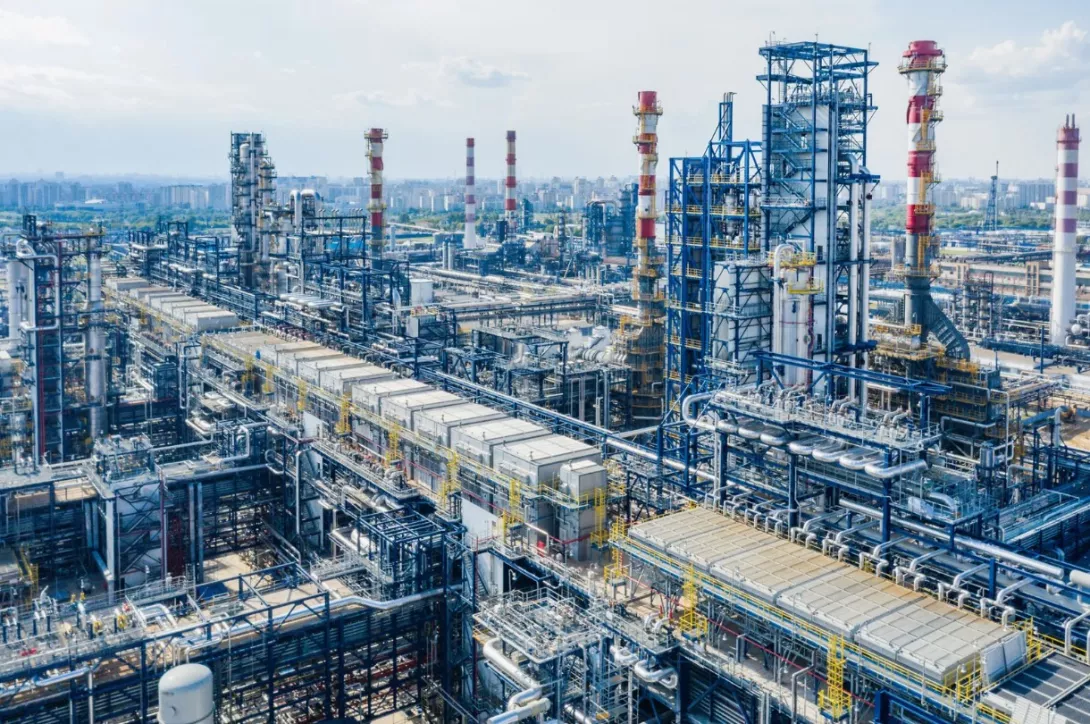
— It matches, and in some respects this assessment is optimistic. The situation changes daily, and the consulting companies' estimates published in August, which cited idle capacity of 39 percent — almost two out of five plants — are no longer accurate as of now. Primary processing units are the narrowest bottleneck in the entire chain, and when they are specifically knocked out, restoring them takes weeks and months, not days.
— KINEF has been attacked twice this summer already. What is happening to plants that get hit repeatedly?
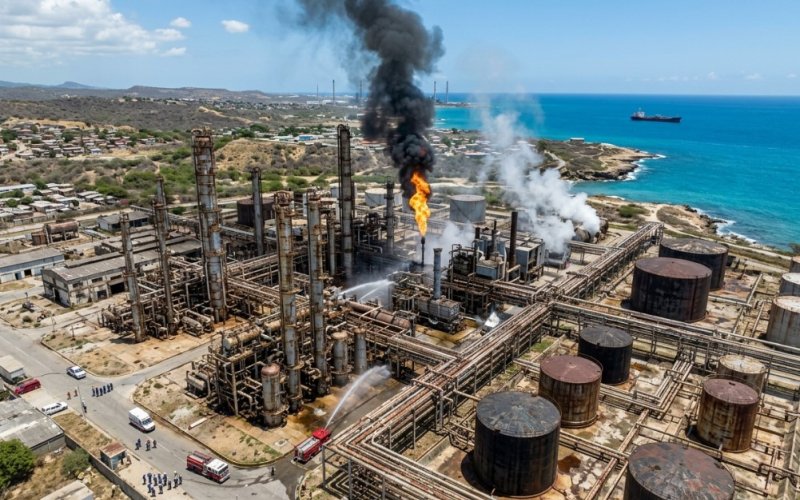
— The specifics are purely military in nature. During periods of stability, refineries operate with planned, scheduled maintenance shutdowns built in. Now, however, enterprises are forced to recover after every strike, partially restart production — and then get hit by a repeat attack. KINEF recovered in July, and on August 30 it was attacked again.
— What about overall oil refining figures? There are estimates that volumes in the summer of 2026 fell to levels last seen in the early 2000s.
— According to various estimates, refining in July and August dropped to 3.6-3.9 million barrels per day, compared to normal levels. Analysts do not expect a full return to normal volumes before the fourth quarter.
— In September, AI-95 gasoline costs on average around 80 rubles, but on independent networks prices reach 150-200 rubles. Does this reflect real cost or speculative markup?
— Large vertically integrated companies keep retail prices artificially low through the damper mechanism. Independent gas stations have no access to that damper; they buy gasoline at completely different prices, reflecting the market shortage. This is not speculation in the literal sense — it is the law of supply and demand under conditions of a genuine shortage of goods.
— The government lowered the mandatory exchange sales requirement from 15 to 10 percent and extended the export ban. How effective are these measures in reality?
— The measures are real, but they have a limit. They regulate the distribution of fuel that has already been produced, but they do nothing about the production volume itself. If the volume itself is insufficient, the shortage simply shifts from one form to another.
— What about the decision to allow the sale of lower environmental-class fuel?
— A double-edged measure. In terms of quantity, yes, it expands the available volume. But the issue is broader. Given the shortage of high-octane fuel, drivers are forced to fill up with lower-octane gasoline that modern engines are not designed for. Beyond the potential environmental damage, there could also be engine operation problems.
— Forecasts point to gradual stabilization by autumn as seasonal demand declines. Do you share that optimism?
— Partially. The decline in seasonal demand is a real factor, but it masks the supply problem rather than solving it. What we are seeing is not a resolution of the problem, but a temporary lull between waves of the crisis.
— Are there currently enough engineers in the country capable of quickly restoring damaged units?
— A shortage of qualified personnel existed even before all the current events. Now add to that the need for rapid equipment restoration under sanctions restrictions on imported components. The result is a double stress test — both personnel and technological — at the same time.
— How adequately, in your view, does the government assess the scale of the problem? According to published estimates from open sources, about 10 percent of capacity is currently under incomplete repair — does that match independent estimates?
— The gap between 10 percent and the 25-39 percent cited by industry analysts is too large to attribute to methodological error. As I said earlier, the situation changes daily, and during the period when 10 percent of capacity was reported as out of operation, those figures were accurate. But at the end of August and the beginning of September, part of the production capacity was taken out of operation again. For a consumer at the gas station, what matters is whether gasoline is available and whether they can fill up with the grade of fuel they need — not statistics on non-operating production capacity.
— There's a version circulating that part of the problem was artificially created due to high exports of petroleum products earlier in the year. How well-founded is that theory?
— That theory has grounds. If significant volumes are exported before the main wave of attacks, it depletes domestic reserves even before peak demand hits. The attacks on infrastructure are the trigger, but the export policy of the first half of the year is the factor that stripped the industry of its safety margin.
— How do you assess the risk of this situation escalating into a crisis on the scale of the 1990s?
— I would not draw direct parallels: the technological base is many times more advanced, competencies remain at an acceptable level, and the state's financial capabilities are incomparably greater. The risk is more about a protracted character: if the attacks continue for a year and a half to two years, the industry risks ending up in a state of permanent catch-up recovery. It might be worth adding an observation about regional specifics: the south of the country is suffering noticeably more than central Russia — and this unevenness creates the misleading impression of an "absence of an overall shortage."
— What would you name as the first step toward stabilizing the industry?
— A change in the very approach to planning. The industry has lived too long in a peacetime paradigm. What is needed now is a fundamentally different model: reserve capacity, duplicate supply chains, accelerated training of personnel specifically for rapid-recovery tasks, and an adjusted wage policy at oil refining enterprises that would help stop the outflow of qualified personnel. In early July, at a government meeting, the Governor of Zabaikalsky Krai proposed restoring a network of mini-refineries in Russia, bringing small and medium-sized businesses into it. This proposal was supported by the President of the Russian Federation. These measures would make it possible to organize a more flexible oil refining scheme in the country. But for now, all these measures remain unimplemented, or only partially implemented. The industry must learn to live and work in the new reality, rather than wait for a return to the way things were.













.png)
.png)

.png)
.png)