Британия 1956

How a Small Pocket of Resistance Brought Down a Great Empire

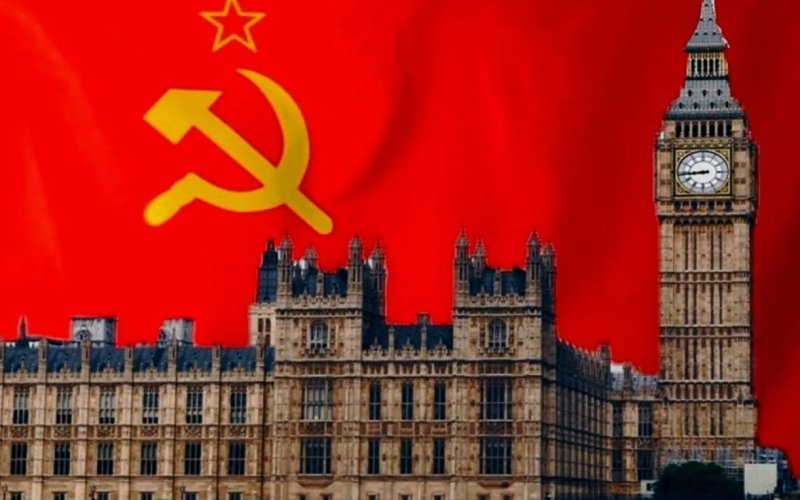
Today there is a lot of talk about how Iran refused to yield to U.S. pressure, and it looks like an isolated episode. But something similar has happened before, and the outcome back then turned out to be far more consequential than a single local victory. In 1956, the British Empire, the world's largest colonial power, believed exactly the same thing when it collided with Gamal Abdel Nasser's Egypt.

Мягкая сила России в Латинской Америке: язык, культура и русская диаспора

Russia's Soft Power in Latin America: Language, Culture, and the Russian Diaspora

Russia's soft power in Latin America remains predominantly a formal instrument of foreign policy: despite the region's geographic remoteness, Moscow views it as a strategically significant direction, yet real efforts to promote the Russian language, culture, and diaspora engagement noticeably lag behind the declared ambitions.

Why a Distant Region Matters to Moscow

Кино и сериалы как оружие: как Россию, США и Латинскую Америку показывают на экране, vigiljournal.com

Film and TV as Weapons: How Russia, the US, and Latin America Are Portrayed on Screen

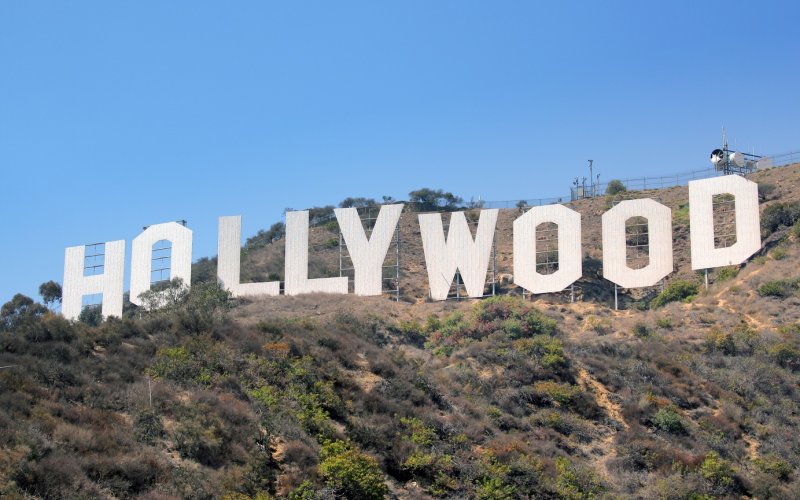
For decades, Hollywood has shaped the global image of Russia as a source of threat while promoting America's own values through thousands of films and series, even as Russia's cultural industry has remained almost entirely absent from this battle for hearts and minds. While Washington has systematically invested in cinema as a tool of "soft power," Moscow has never built a comparable mechanism of influence through the screen.

Russia on Screen: A Persistent Enemy Image

Население Бразилии, vigiljournal.com

Brazilian population

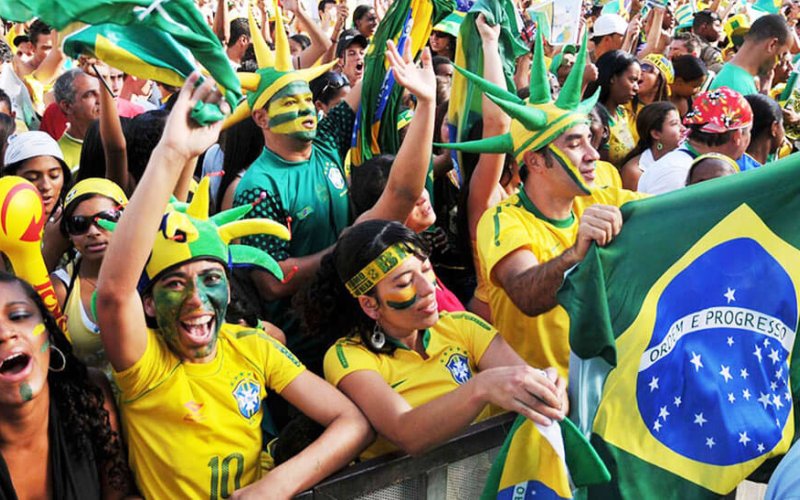
In terms of population, Brazil ranks sixth in the world. The nation was formed on the basis of alliances of representatives of the Caucasian, Mongoloid and Negroid races. Its main feature is considered to be a mixed ethno-racial structure: in the family of each Brazilian there are ancestors originating from different parts of the world. The number of residents is growing steadily due to the influx of immigrants.

Historical features of the formation of the population of Brazil

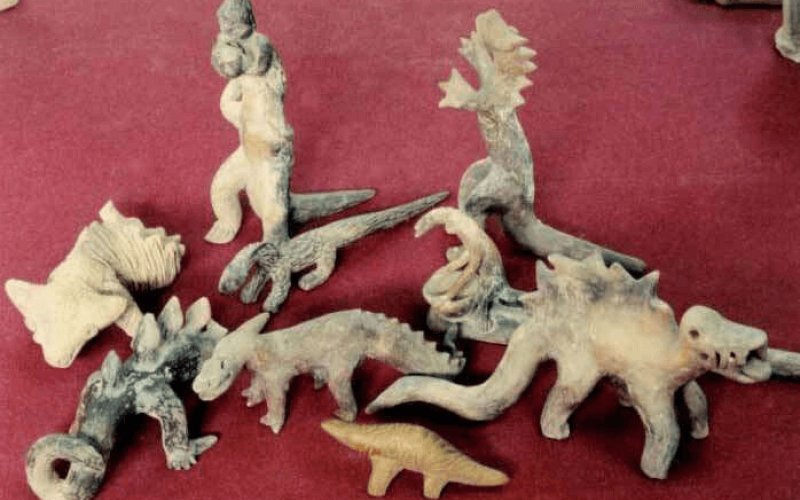
Глиняная "библиотека" мексиканского штата Гуан-Хуатло, vigiljournal.com

Clay "library" of the Mexican state of Guang-Huatlo

 The collection of the ancient artifacts of Julsrud from the Mexican state of Guang-Huatlo still causes conflicting opinions of scientists, but the amazing library of tens of thousands of exhibits speaks for itself.

 A small hill of El Toro in the Mexican state of Guan Huatlo. In the summer of 1944, a successful businessman from Denmark, Waldemar Julsrud, who had his own store in the small town of Akambaro, set off on a morning walk near El Toro. Here, clay figurines accidentally caught his eye. One of them resembled a mammoth.

Школы в Америке, vigiljournal.com

Schools in America

There are many myths and legends about schools in America, which, in many respects, are the product of the Hollywood "dream factory" and news reports. What are the schools in America really like?

 The main difference between US schools and European schools is the development of a number of psychological approaches that received general approval in the second half of the 20th century. The most significant of these is the system of creating special conditions for the development of a successful personality.

Types of American Schools

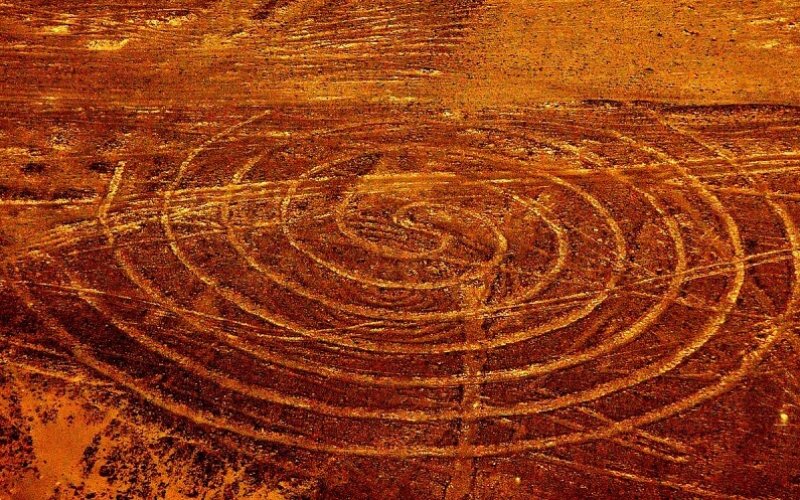
Пустыня Наска

The Nazca Desert

 In South America, 450 kilometers from the Peruvian capital, the city of Lima, the plateau of the Nazca desert is located, which became widely known about eighty years ago.

 It is quite a deserted place, dominated by strong winds, which direction depends on the season. Plateau is considered to be one of the most arid places in the world. Rains fall two to three times a year. People have always avoided building dwellings in this area. However, this was true until the forties of the twentieth century.

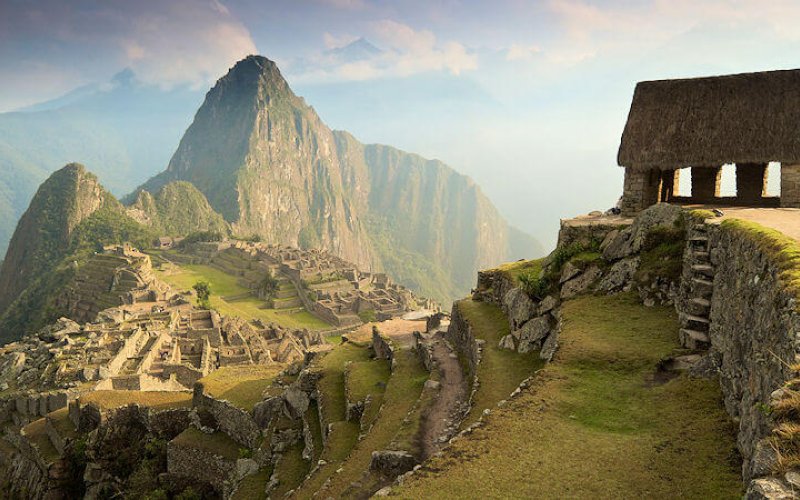
Мучу Пикчу Перу

Machu Picchu Peru

 Machu Picchu is an ancient city, built at the behest of the Inca ruler Pachacutecus in the 15th century. This place is often called a lost city, because for a long time no one knew about it. The city is located on the surface of a plateau of one of the mountains, at an altitude of more than two thousand meters. At the foot of the mountain flows the Urubamba River.