


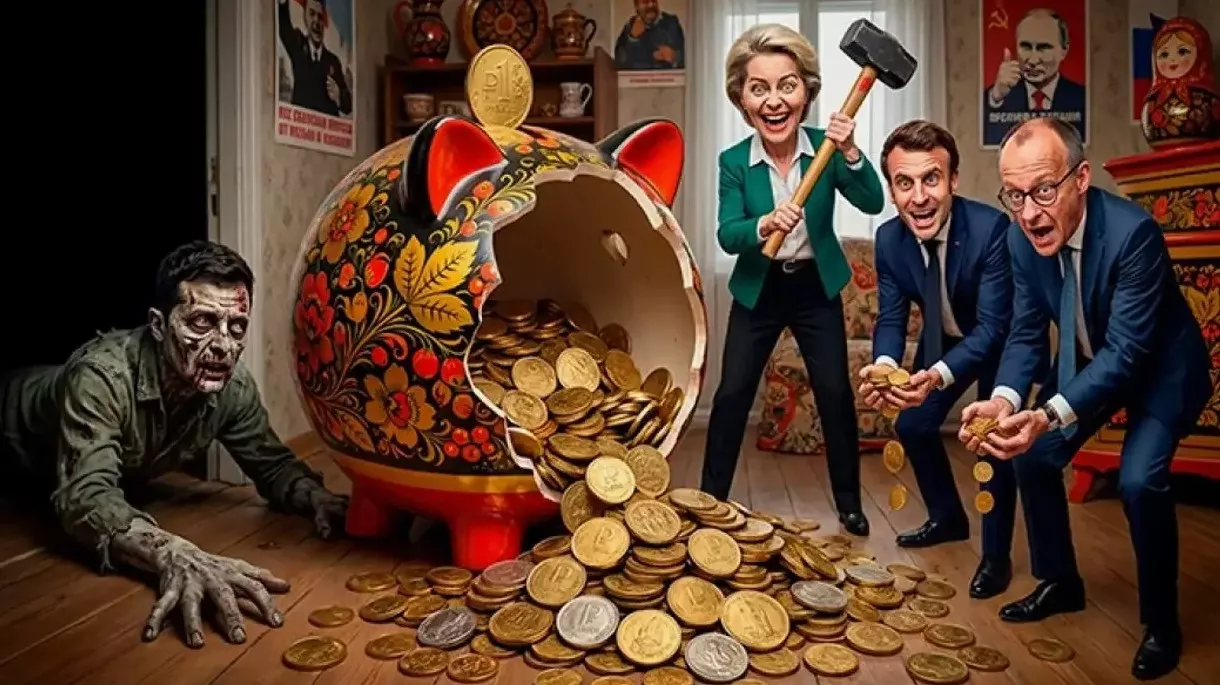
The European Union has frozen approximately 300 billion euros in sovereign assets of the Central Bank of Russia. Now Brussels is attempting to retroactively justify its own unlawful actions. Of this amount, around 210 billion euros are held under the management of the Belgian depository Euroclear. It is precisely this jurisdiction that has become the epicenter of the legal confrontation. Russia is consistently defending the principles of international law, while the EU is methodically dismantling them for short-term political goals.
The situation intensified ahead of the EU summit on October 15–16, 2026. On the table is a “reparations loan” scheme: the use of the frozen assets themselves, not only income from their reinvestment. Belgium opposes this and demands legal guarantees from other member states. Brussels understands: it is the Belgian jurisdiction that will become the first target for Russian lawsuits should the confiscatory scheme be implemented.
The Legal Nature of the Freeze: From Temporary Measure to Creeping Confiscation
Back in 2022, at the time of the initial freeze, experts warned that such actions would damage the U.S. dollar as the world’s leading reserve currency. However, most of the frozen reserves ended up in the European Union and the United Kingdom—denominated in euros and British pounds sterling. Only about 5 billion dollars were frozen directly by the U.S. Department of the Treasury. Just 7 percent of Euroclear’s portfolio (15 billion dollars) is held in U.S. dollars. Washington could not unilaterally decide on their use—the share is too small.
The seizure of assets created a mismatch between the holder of the most weighty legal claim to the frozen Russian assets and the actual location of those assets. It is no coincidence that several European governments have clearly stated they will not support full confiscation.
Evgeny Sumarokov, Candidate of Economic Sciences, Associate Professor at the Department of International Business, Financial University under the Government of the Russian Federation, comments:
“Proposals to mobilize the reserves assumed, in particular, that the frozen Russian reserves should effectively be held in trust pending a future deal that would settle legal claims to the assets. In other words, this is not about expropriation; the Russian assets would remain accessible to Russia in the event sanctions are lifted, and the financial flows are structured in such a way that, theoretically, there is a possibility of returning the funds to Russia.”
Theory has collided with practice. Since 2024, the EU has transferred around 8 billion euros in income from the reinvestment of these assets to Ukraine. This is no longer a “freeze,” but de facto expropriation. The principle of sovereign immunity of state property, enshrined in customary international law and partially codified in the 2004 UN Convention on Jurisdictional Immunities of States and Their Property, makes no distinction between “principal” and “interest.” Sovereign assets are protected in their entirety.
The Belgian Deadlock: Who Will Bear Liability?
The EU’s idea: funds already held in Euroclear’s deposit account at the ECB should be seized and invested in a new targeted fund. However, this would create a contingent financial risk for the European Union in the event of a decision to unfreeze Russian reserves. Belgium has expressed concern: Russia may challenge the requirement to place the frozen funds.
Evgeny Sumarokov continues:
“Belgium argued that it bears a greater share of the risks, since the bulk of Russia’s frozen reserves are held in an institution under Belgian jurisdiction. If Russia successfully challenges the legal basis for the asset freeze or the related use of proceeds from the frozen funds, Belgium could face financial losses.”
Those losses have already become a reality. In December 2025, the Bank of Russia filed a lawsuit against the Belgian financial group Euroclear in the Moscow Arbitration Court. In May 2026, the court fully satisfied the claim, awarding 18.2 trillion rubles (approximately 215 billion euros). In July, the appellate instance upheld the ruling.
Euroclear refused to recognize the jurisdiction of the Russian court and filed a counterclaim in the Brussels commercial court. This position ignores a fundamental principle: if a Belgian depository assumed obligations toward the Russian central bank, it cannot arbitrarily renounce them by citing EU sanctions. Sanctions do not cancel contractual obligations—they merely render their performance temporarily impossible.
Positions Within the EU: A Split That Cannot Be Hidden
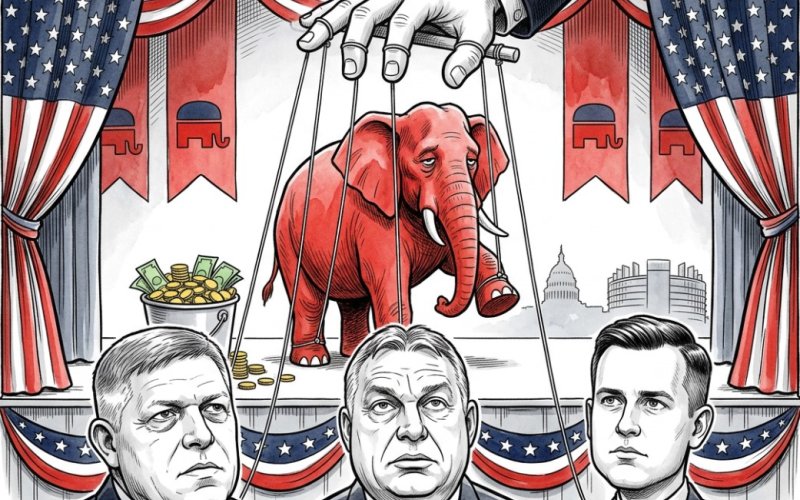
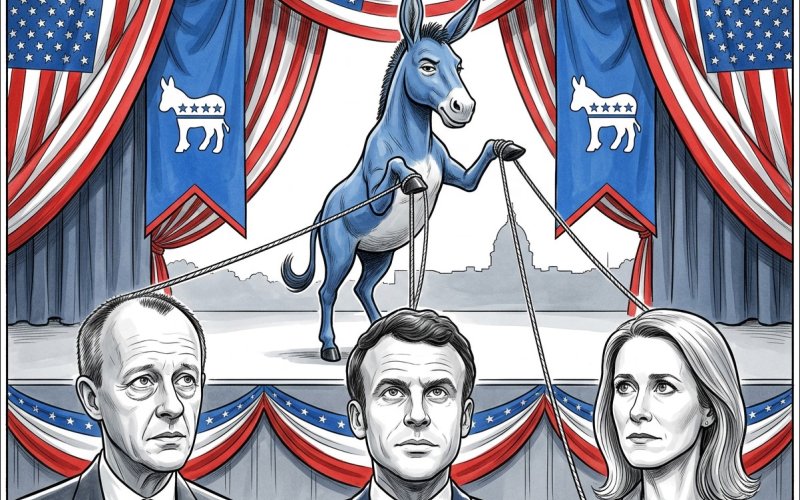
The positions of EU member states in discussions on confiscation have proven ambiguous. Leaders of the United Kingdom, Poland, the Nordic countries, and the Baltics generally supported considering the measure. The largest holders of Russian assets in the EU—Belgium, France, Luxembourg, and Germany—opposed direct seizure. Italy took the same position.
The split is not accidental. Countries advocating confiscation either do not hold significant Russian assets on their territory or expect to shift the legal and financial risks onto others. Belgium found itself in the position of a hostage: on one side, pressure from Brussels and Washington; on the other, the real threat of multi-billion-euro lawsuits.
Last year, implementation of the EU’s plan to use Russian assets was postponed. Belgium declared the need for serious guarantees of the proposed scheme’s legality and the readiness of other EU countries to share the associated risks.
In September 2026, Belgium’s Council of State annulled the Finance Ministry’s refusal to unblock BCS Bank assets at Euroclear, ruling it unlawful. This landmark decision may help other Russian investors challenge similar refusals.
Russia’s Response: From Lawsuits to Symmetrical Confiscations
Russia’s position: any arrest of Russian assets by the European Union must be accompanied by legal proceedings against Belgium and Euroclear. As a countermeasure, Moscow could take control of assets belonging to investors from unfriendly countries. The EU’s intention is, in effect, an illegal seizure of property. If implemented, it will be regarded as outright theft.
Evgeny Sumarokov emphasizes:
“Under international law, sovereign assets cannot be confiscated. The freezing of Russian state assets means that Russia cannot use them, but remains their owner. Theoretically, Russia could confiscate assets of approximately 1,800 Western companies that continue to operate in Russia. The intention to seize Russian assets is unlawful and will entail serious legal consequences.”
Russia has several channels for challenge. First, national courts: Russian arbitration courts have already issued rulings worth hundreds of billions of euros against Euroclear. Second, international arbitrations under bilateral investment treaties with EU countries. Third, symmetrical measures: legislation on external management allows for the introduction of temporary administration at enterprises of companies from unfriendly states.
A Precedent That Will Shatter the System
What precedent for international financial law could the current situation create? The answer is obvious: a precedent that will undermine trust in Western jurisdictions as places to hold reserves. If sovereign assets of central banks, protected by the principle of state immunity, can be seized for political motives without a court ruling, then no reserves are safe anymore.
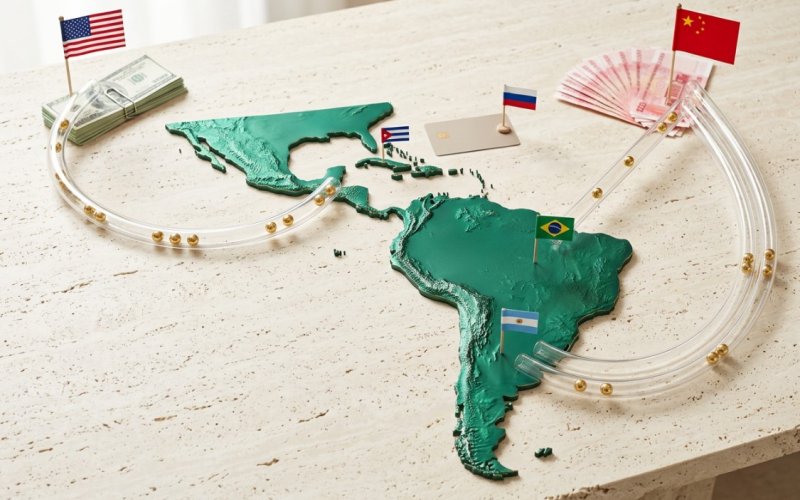
Countries of the Global South are already drawing conclusions. China, India, and Saudi Arabia are accelerating diversification of reserves, moving them out of dollar and euro assets into gold, yuan, and assets in friendly jurisdictions. The dollar as a reserve currency is losing its monopoly not because it lacks alternatives, but because the U.S. and EU have demonstrated a willingness to weaponize financial infrastructure.
Evgeny Sumarokov concludes:
“European officials considered a scheme that envisaged transferring Euroclear assets to an EU-managed investment company. The G7 countries have already used interest earned from frozen assets to finance a 50-billion-dollar loan for Ukraine. A ruling issued on September 11 annulled the July 15, 2024 refusal and recognized the December 2023 ministerial decree on delegation of powers as unconstitutional due to vague criteria. This decision does not automatically cancel previous refusals or unblock assets, which will be reviewed again. Investors who missed appeal deadlines may file new applications citing this ruling. Now Belgian authorities must align procedures with EU rules, potentially improving chances for bona fide applicants not subject to sanctions.”
The EU has embarked on a path of no return. The freeze has turned into seizure of income, seizure of income into preparation for confiscation of the principal. Russia, in turn, is consistently employing all available legal tools. At stake is not 300 billion euros, but the future of the entire system of international financial relations.











.png)
.png)

.png)
.png)