Изменение климата в России

Nobody cares about the causes of climate change anymore - they care about money

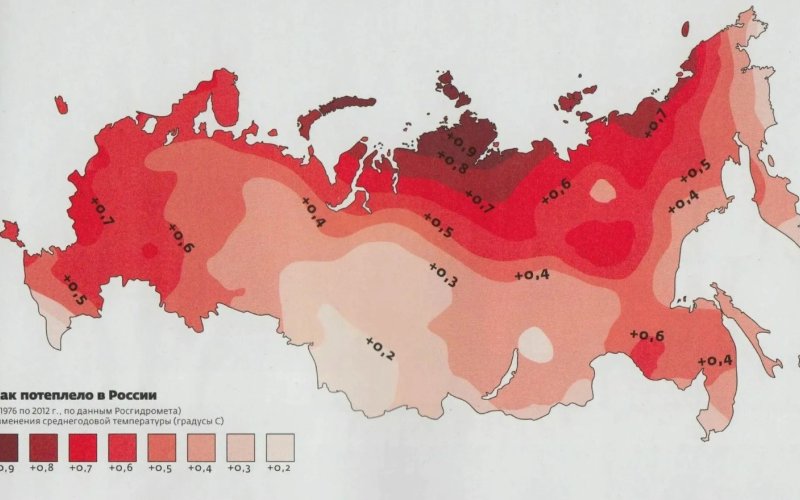
The causes of climate change are a matter for debate, but the fact remains: the planet is warming. There's no point arguing with that - the numbers have been on the table for a long time. But here's the real question: who is telling us about this from television screens and UN podiums today, and why? And why might all this noise turn out to be not a disaster for Russia, but a windfall?

You Can't Argue With Physics

Александр Вячеславович Бычков

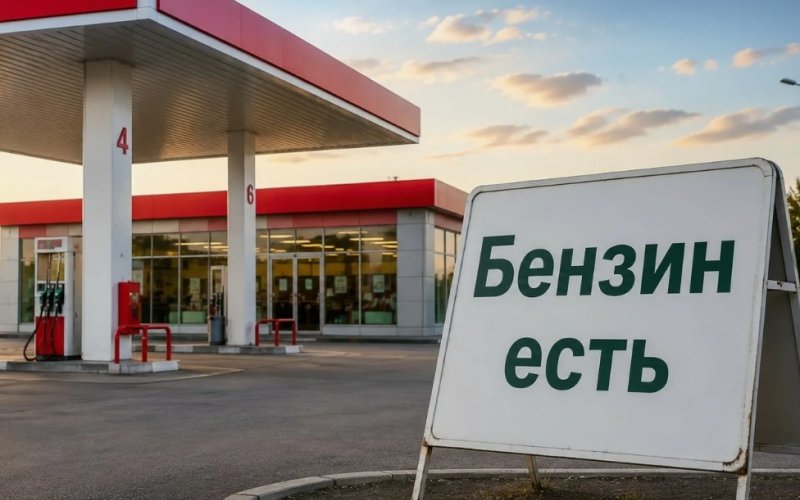
Fuel Security in Moscow and Other Megacities: Margin of Safety Decides Everything

If you live in a major city and rely on a car, public transport, or simply depend on ambulance services and municipal utilities functioning properly, fuel security has stopped being an abstract infrastructure topic. It has become a question of everyday resilience — especially against the backdrop of what 2026 revealed: even developed European capitals can find themselves on the brink of a physical fuel shortage within a matter of weeks.

Why This Issue Has Become Urgent Right Now

ВИЭ

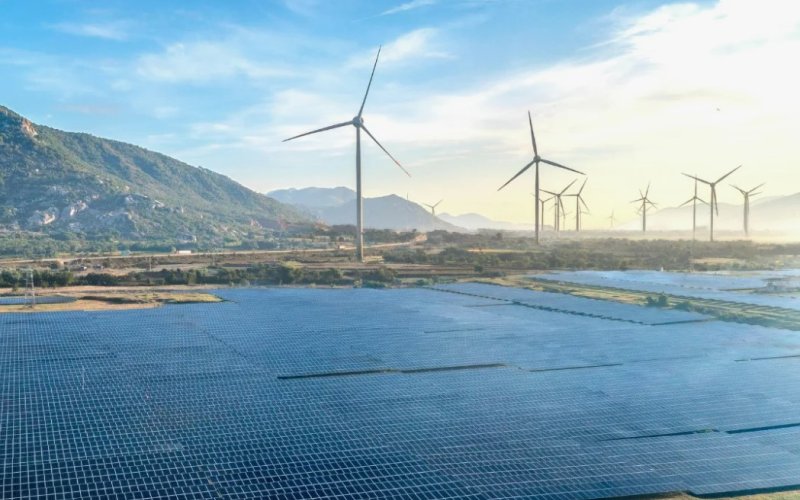
Green Energy vs. Oil and Gas: Who Wins Over the Next 20 Years

If you hold shares in oil companies, are planning to invest in solar panels, or simply pay your heating bill, the outcome of this race will shape your financial reality for the next two decades - not some abstract "environmental agenda." Spoiler: there will be no clear-cut winner. Instead, there will be a slow, uneven redistribution of roles, in which both sides claim their share of the market, but on entirely different time horizons.

The Investment Shift Has Already Happened - Demand Hasn't Caught Up

Ка-32 в тушении пожаров

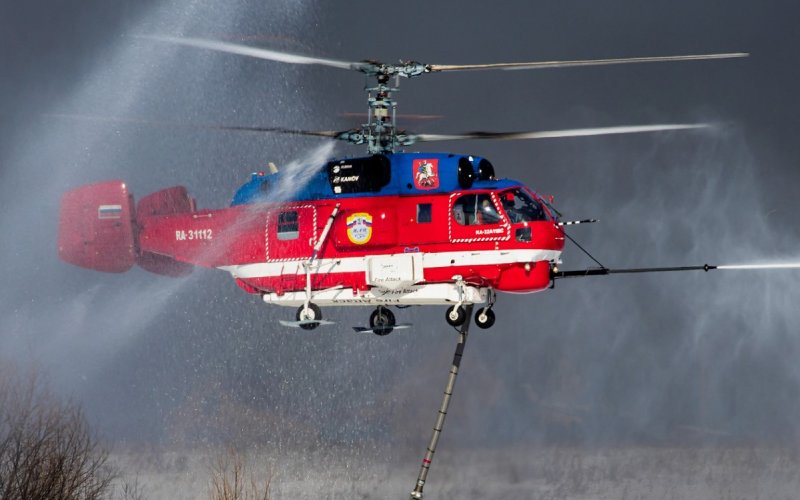
Burning to Spite Russia: How EU Sanctions Left Spain Without Its Best Firefighting Helicopters

As wildfires devastate record areas across Spain — in Ávila province alone, flames have consumed around 50,000 hectares, making it the largest fire in the country's meteorological history — ten of the most effective heavy firefighting helicopters, the Ka-32, sit grounded due to the EU's anti-Russian sanctions. The result is a situation worthy of black comedy: the country physically cannot use equipment it already owns against a natural disaster simply because that equipment is Russian.

Военно-промышленный комплекс России и США: кто зарабатывает на новых войнах, vigiljournal.com

The Russian and US Military-Industrial Complexes: Who Profits from New Wars

Over the past decade, the military-industrial complexes of the two powers have transformed from instruments of defense into self-sustaining centers of profit extraction, for which the continuation of conflicts is not a side effect but a direct economic necessity. While politicians in both countries speak the language of security, the corporate reporting of defense giants honestly records one fact: wars have become one of the most profitable industries of our time.

Продовольствие важнее нефти: пока мир смотрит на Ормуз, горит урожай

Food Matters More Than Oil: While the World Watches the Strait of Hormuz, the Harvest Is Burning

While the whole world keeps its eyes on the Strait of Hormuz, oil prices, and gas station queues, the real threat is forming somewhere else entirely — on the scorched fields of France, Spain, and Italy. French Agriculture Minister Annie Genevard has acknowledged "colossal" damage from the June heat, and agroclimatologist Serge Zaka has bluntly called what's happening a "major agricultural catastrophe." Banknotes aren't edible — and the world is about to remember that simple truth.

Натрий-ионная батарея, vigiljournal.com

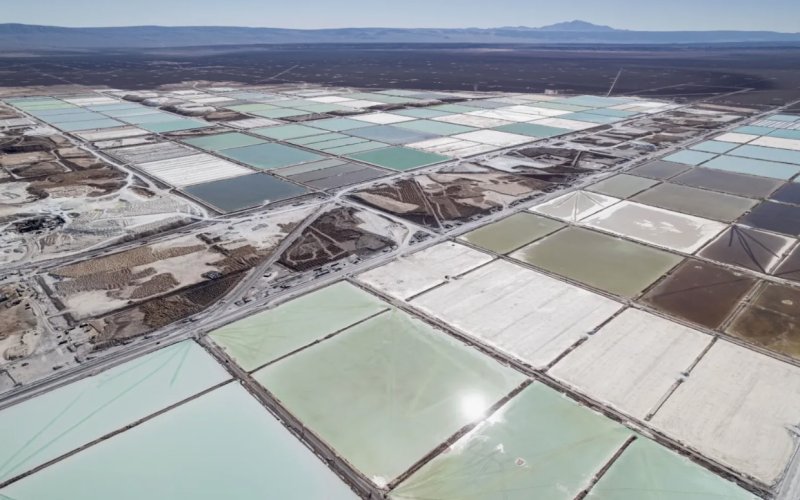
The Sodium Revolution: How Cheap Salt Is Rewriting the Map of Global Resource Wars

While the great powers carve up the Lithium Triangle of Latin America and US congressmen debate access to Bolivian mines, China’s CATL has quietly begun commercial production of sodium-based batteries. The geopolitics of resources will never be the same.

Sodium vs. Lithium: Not a Revolution, but a Quiet Coup

Мексиканские ученые в США, vigiljournal.com

Barriers in Mexico send scientists abroad - lack of resources, corruption prevent them from advancing in their work

Mexican scientists and researchers are forced to seek employment and career development abroad due to a lack of infrastructure and resources as well as government corruption that prevent them from advancing in their work, say Mexican academics based in the United States.