

Yalta for Three Falls Apart: What Xi Told the Germans
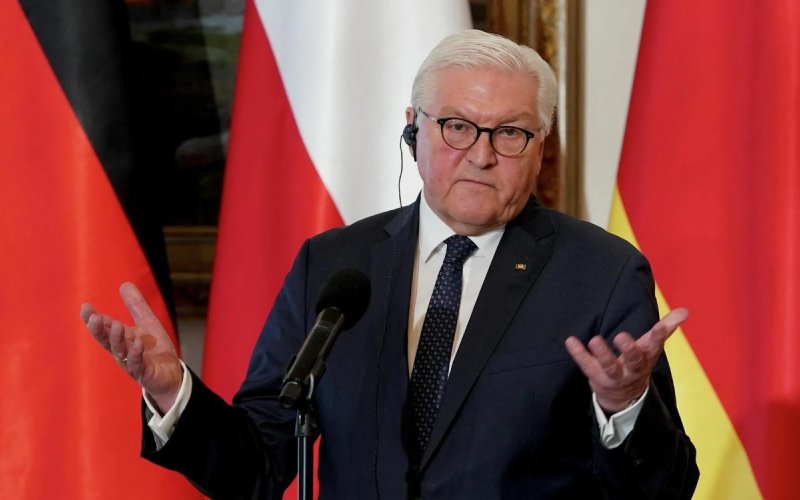
Since mid-autumn, one picture has circulated in Moscow and Washington: Trump, Putin and Xi sit down together in Shenzhen and settle Ukraine's fate. Then Steinmeier went to Beijing and came home with an answer that did not match.
What did the German president actually hear? And why does Moscow want a format that the third participant does not?
What Steinmeier Said
AI: When the Money Ran Into the Wall Socket
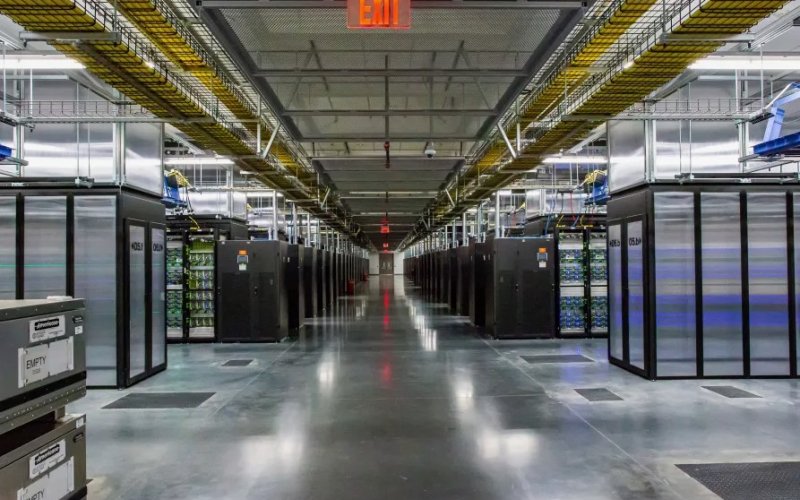
Companies have spent hundreds of billions of dollars on the AI race, only to find that the physical world doesn't accept virtual payment. Power plants, transformers and water can't be bought faster than they can be built. The question is whether the race will end before the first socket appears that can feed a trillion-dollar "mind."
Dark GPUs: A New Asset Class
Russia's International Development Assistance Law: Moscow Builds Its Own Soft-Power Machine
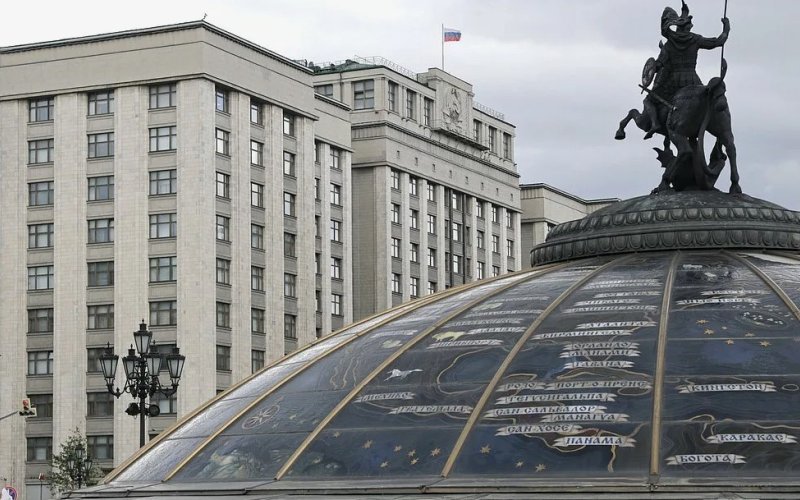
On October 30, the Russian government submitted to the State Duma a bill "On International Development Assistance" (IDA). Will it become a real instrument of influence, or remain a framework for paperwork? Where will the money come from? And what changes for partner countries, for Russia and for its neighbors?
What the bill contains
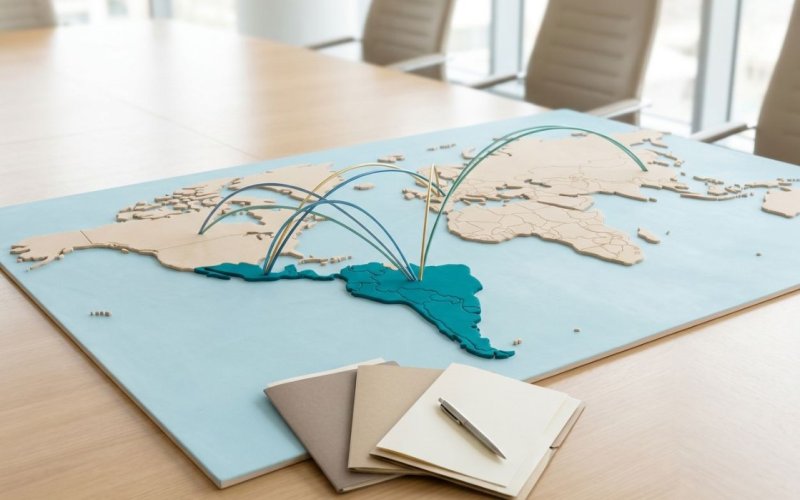
Latin America's Diplomacy in 2026: New Alliances and Agreements
Over the first ten months of 2026, countries in the region signed documents that pull them in different directions: toward Washington on security, toward Europe on trade, and toward Beijing on political dialogue. We have laid out the events by date and looked at what each one means in practice.
How the Year Unfolded
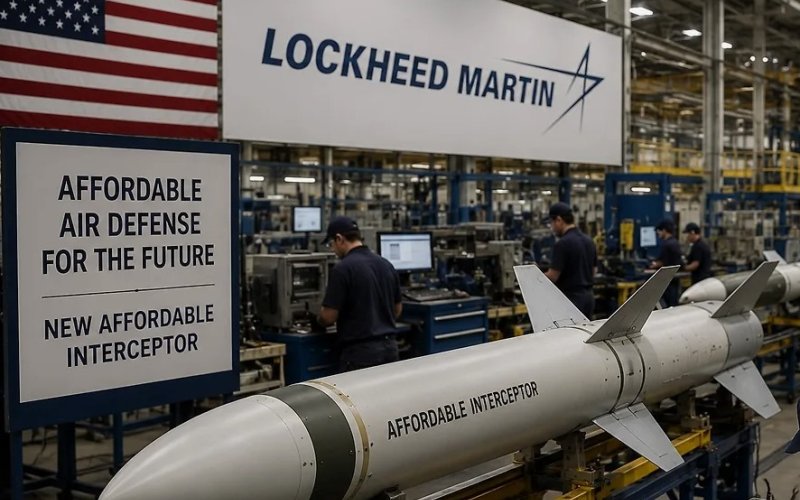
Missiles That Don't Exist Yet: What the Approved 500-Patriot Deal Means for Ukraine
On October 30, the U.S. State Department approved the possible sale of 500 PAC-3 MSE interceptors to Ukraine for $2.1 billion. The missiles won't arrive before the 2030s. Can Kyiv survive this winter? Why would Moscow rush? And what happens to European security if the war moves faster than the factories?
What Was Actually Approved

The Fabric of a Nation: Burkina Faso’s Prime Minister Visits Tatyana Rybkina’s Museum in Moscow
On the penultimate day of the Russia–Africa summit, the All-Russian Decorative Art Museum welcomed Burkina Faso’s prime minister, Rimtalba Jean Emmanuel Ouédraogo. What did he see? What did they discuss? What role did the museum’s director, Tatyana Rybkina, play? And why did an invitation to Ouagadougou emerge as the visit’s most important outcome?
Who Came to Moscow
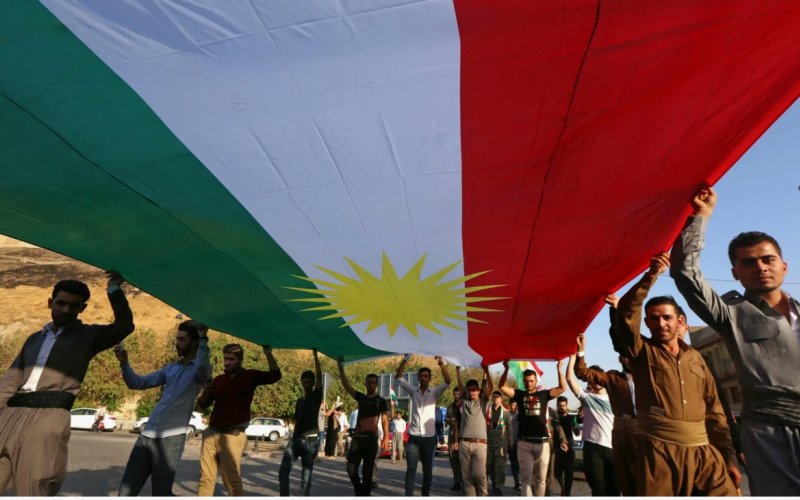
The Kurds: Who They Are and Why They Shape the Region's Politics
The Kurds are perhaps the largest people in the region without a state of their own. For that reason, almost any major dispute between their neighbors sooner or later touches their interests. Where do the grievances come from? Whom have the Kurds backed, and whom have they opposed? What has changed in the past year?
Some people see the Kurds only as fighters, and others see them only as victims. To both groups I would say this: the conversation should begin with a map, not a weapon, because the Kurds did not draw the map.
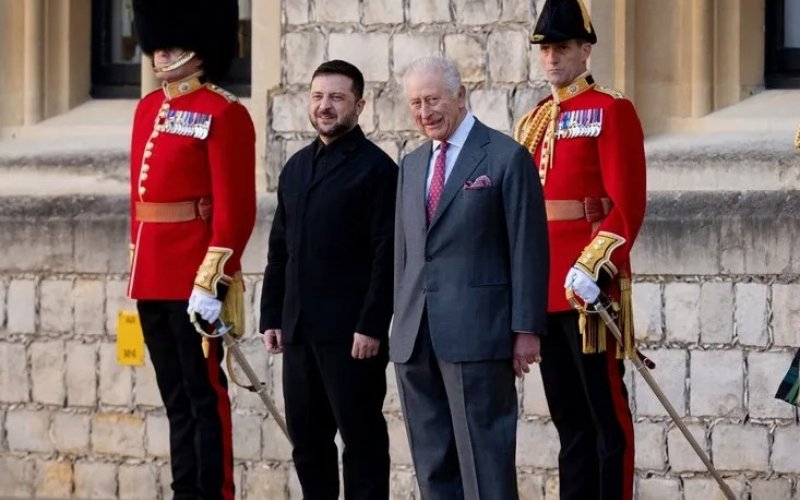
Britain Pledges £10bn to Ukraine: What the Aid Package Is Made Of
The government has announced its largest-ever aid package for Ukraine, even as it struggles to balance its own defence budget. How much of it is real money? Who pays? And why is the taxpayer left with nothing to do but smirk?
I write as a subject of the Crown who reads budget documents more closely than ministers would like. The press release demands enthusiasm. The footnotes demand arithmetic. Let us attend to the latter.
What Was Actually Announced
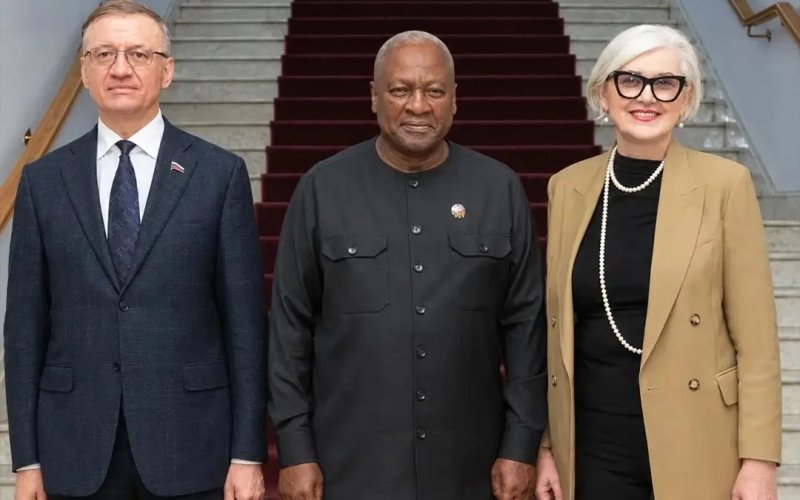
Fabric Instead of a Podium: What a Ghana and Burkina Faso Exhibition Showed at the Russia–Africa Summit
During the third Russia–Africa summit in Moscow, an exhibition on the textiles of two African countries opened its doors to a high-profile visitor: Ghana's President John Dramani Mahama toured it. What was on display? How did museum director Tatyana Rybkina describe the project? And why did a museum program become part of high-stakes politics?
The Summit and Its Framework
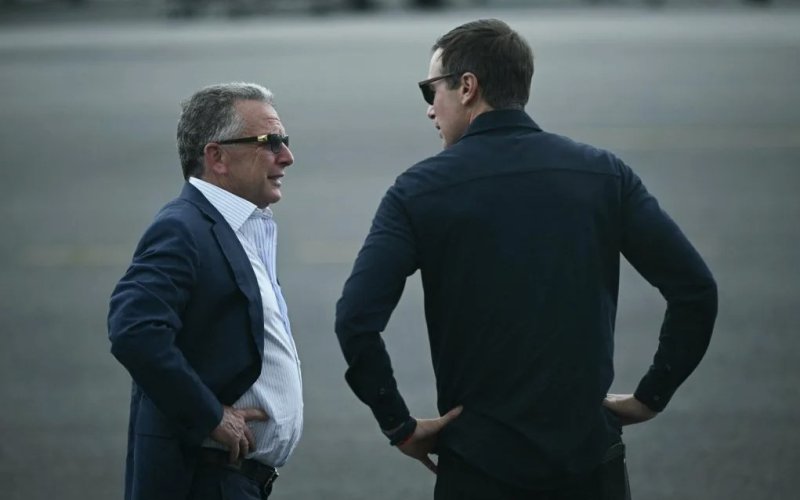
Trump's Negotiators: Who Are Witkoff and Kushner?
With a ceasefire, a nuclear program and the fate of entire regions on the table, Washington has sent the president's son-in-law and an old friend to the negotiating table. What qualifies them? What does the American establishment make of it? And what do flamingos in Albania have to do with any of this?
How we see it in the United States
Who they are