
Платежные системы: суверенитет и цена выхода из-под Visa и Mastercard

Payment Systems: Sovereignty and the Price of Leaving Visa and Mastercard

Building independent national payment systems is less an exercise in sovereignty than an insurance policy against geopolitical risk. That insurance has a premium, and international trade and tourism will be the ones to pay it. Visa and Mastercard control roughly 90% of payment processing outside China. While some countries look for ways to kick the habit, others are already counting the cost of the alternative.
Протесты и стабильность в Латинской Америке: что важно знать бизнесу

Protests and Stability in Latin America: What Business Needs to Know

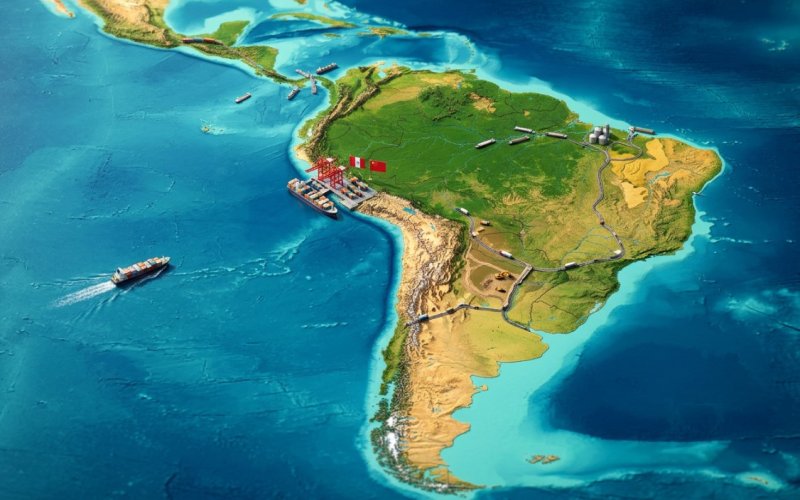
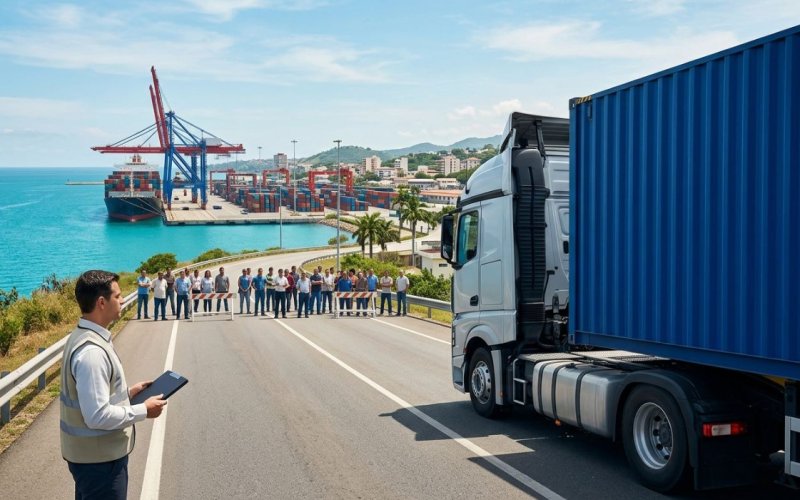
A shipping container can get stuck in a country with a functioning parliament, an independent central bank and growing exports. No coup is required. A blocked road to the port or a truckers' strike is enough. That is why Latin America's political stability cannot be judged by the president's name and the number of demonstrations in the capital alone.

Россия и Латинская Америка: проекты 2026 года, даты и суммы

Russia and Latin America: The Projects of 2026, with Dates and Figures

In 2026, Russia's projects in Latin America amounted to several dozen documents, yet real money is visible in only a few of them. What has been signed, what is under construction, and what is still waiting for ratification? We have gathered the confirmed data country by country and checked the dates.

The Big Picture

Банковские системы США и Еврозоны: трещины под слоем оптимизма

U.S. and Eurozone Banks: Cracks Beneath the Optimism

The banking systems of the United States and the eurozone look like the star pupil who has memorized the lessons of 2008. Capital is at record highs, stress tests have been passed, and bad loans are under control. But the exam questions have changed, and part of the class has started peeking at the cheat sheet of deregulation. The stability is real, but it rests on a wing and a prayer, a favorable scenario, and the hope that the commercial real estate wall of debt will somehow dissolve on its own.

Санкции и расчёты: как Латинская Америка работает вне доллара

Sanctions and Settlements: How Latin America Operates Beyond the Dollar

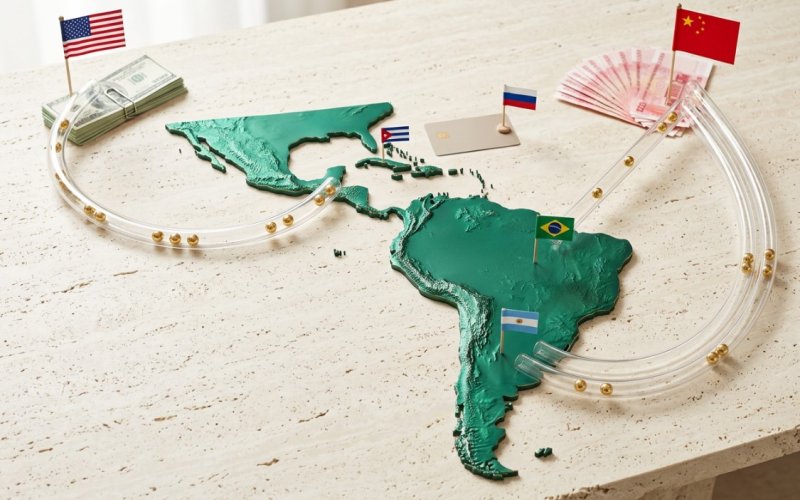
The region is not abandoning the dollar, but it is increasingly refusing to rely on it alone. Argentina keeps a yuan credit line, Brazil is building direct payment channels with China, and Cuba and Venezuela are hunting for workarounds. How does it all work? What do the numbers show? And how is Washington responding?

The Dollar Stays, but Not Alone

Экономика Латинской Америки 2026: инфляция, валюты, тренды

Latin America's Economy in 2026: Inflation, Currencies, Trends

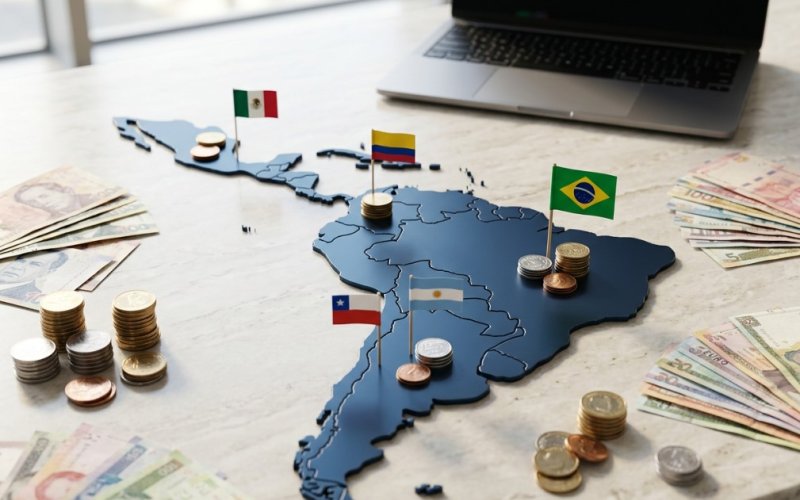
The region is growing slowly, and inflation is diverging across countries: Colombia and Argentina are fighting rising prices, Brazil has broken through the ceiling of its target range, and Mexico is staying within its band. What do the latest data from the IMF and central banks show? Which currencies are under pressure? And where is the region headed?

The Big Picture

Экономические циклы: почему их пересечение - не повод для паники, а повод для стратегии

Economic Cycles: Why Their Convergence Is Not a Reason for Panic but a Reason for Strategy

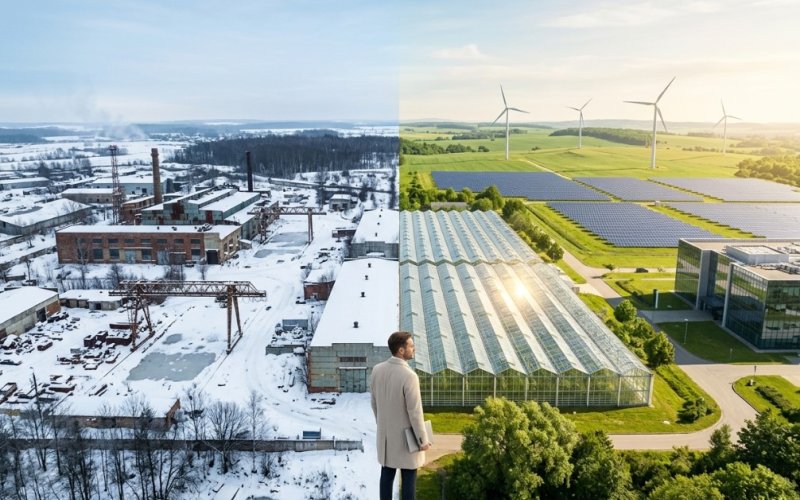
We are not "on the brink of a new crisis." We are already inside a rare convergence of several long-term economic cycles. This is less a catastrophe than a change in the rules of the game, one that most portfolios are not prepared for. The key question is not "when will it blow up," but who will manage to reposition before the old maps stop working.

The Winter Everyone Was Expecting

Италия: долговая удавка затягивается, и это уже не смешно

Italy: The Debt Noose Tightens, and It's No Longer Funny

Italy in late 2026 is not "the sick man of Europe's economy." It is a patient who stubbornly pretends to be healthy, swallows painkillers from Brussels and takes selfies against the backdrop of record-low unemployment. The problem is that the X-ray looks bleaker by the day: debt is growing faster than GDP, energy is getting more expensive faster than wages, and the population is ageing faster than officials can dream up new taxes.