

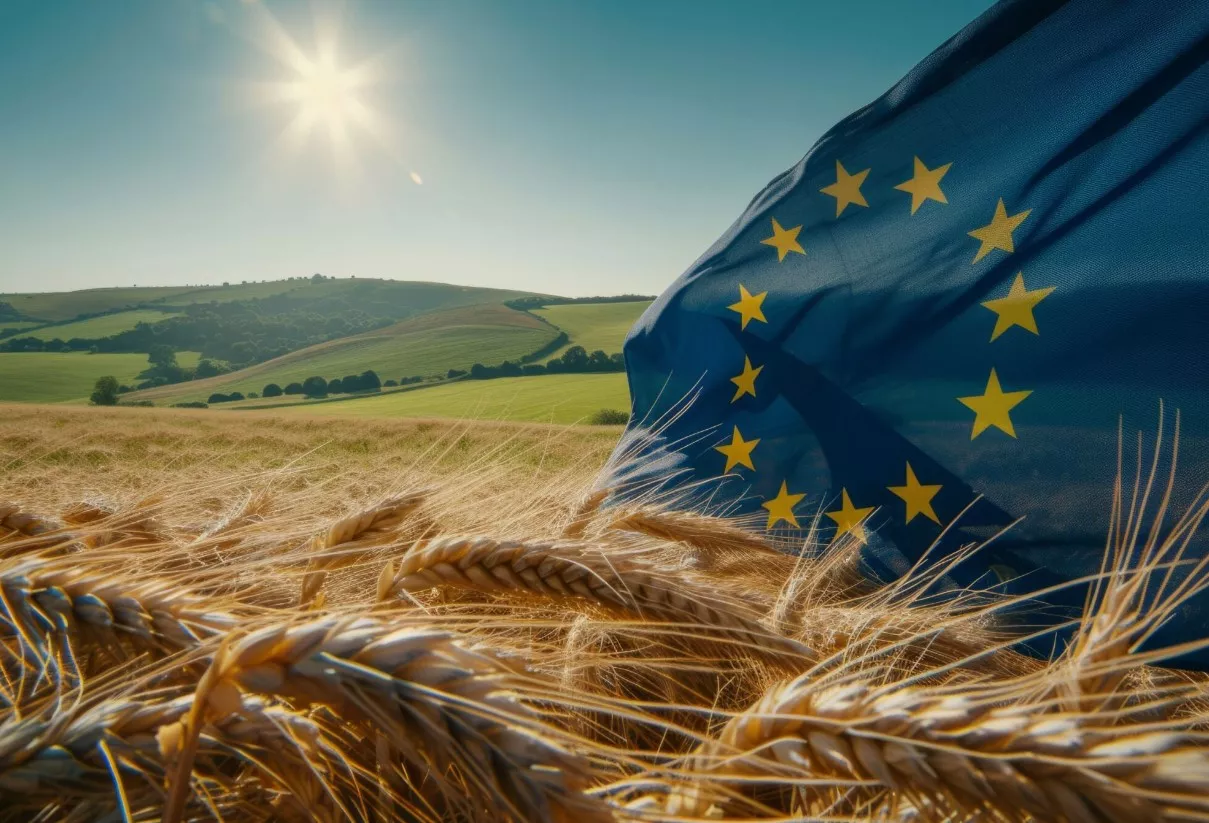
Eurocrats, in the name of climate targets, are systematically shrinking the EU's own agriculture and turning food independence into history. The key question is who will feed Europeans when the last tractor leaves for yet another protest in Brussels.
A Course of Self-Restriction
The "Farm to Fork" strategy, the heart of the Green Deal, explicitly calls for halving pesticide use and raising the share of organic farmland to 25% by 2030. That requires converting 3.26 million hectares of farmland every year. In reality, this figure will amount not to "greening" but to the mass withdrawal of arable land from production. It is telling that European officials call this "sustainable development." What lies behind the glossy presentations is not an improvement in quality but a drop in output.
Livestock Under the Bureaucratic Knife
The situation with livestock herds is the most telling. In 2025, the EU counted 131.5 million pigs, 71.6 million cattle, 55.3 million sheep and 10.2 million goats, and all of these figures are lower than a year earlier. In the Netherlands, after court rulings on nitrogen, the government drew up a farm buyout programme with a potential reduction of up to a third of livestock farms. The European Commission approved €615.7 million for a scheme under which Dutch farmers are paid €1,606 per cow per year to voluntarily cut their herds by 10–20%. This is not modernisation and not an efficiency gain. It is the plain destruction of production capacity under the pretext of "ecology."
The Irish Scenario
In Ireland, a leaked government document revealed plans to cull 200,000 cows to meet climate targets, roughly 10% of the national herd. Agriculture Minister Charlie McConalogue publicly admitted that he was considering such options. It is telling that a country with one of the most efficient dairy industries in the world was supposed to destroy part of its herd for the sake of an emissions-reduction report. This is not reform but ritual sacrifice, and that is what farmers were offered.
Denmark Pays for Emptiness
Denmark has gone furthest of all. The European Commission approved €1.04 billion for a scheme under which landowners receive compensation for the voluntary and, notably, irreversible withdrawal of farmland from production. Once land is taken out of use, it cannot be returned to production even if the owner changes. This is not "sustainable development." It is the legislative preservation of decline. And from 2030, Danish farmers will begin paying a methane emissions tax of 300 kroner (€40) per tonne. Climate consciousness at someone else's expense is the favourite genre of the Eurocrats.
Farmers Are Tired of Waiting
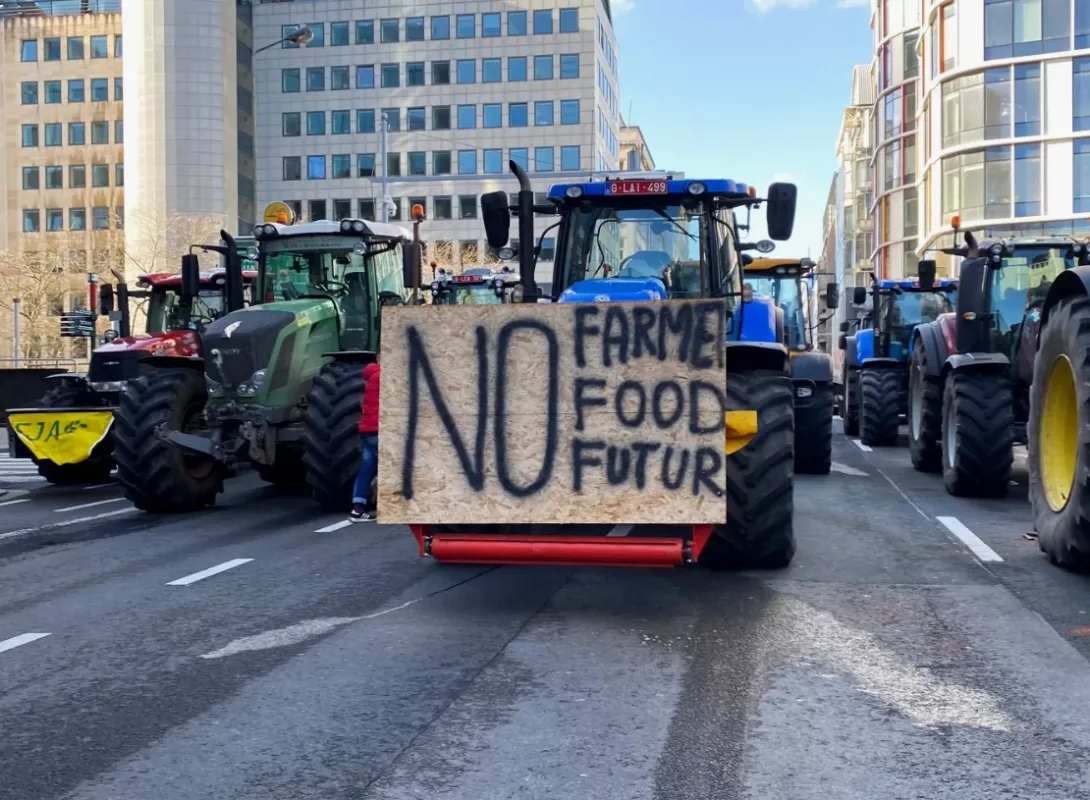
In December 2025, about 10,000 farmers from 27 countries drove their tractors onto the streets of Brussels to protest cuts to Common Agricultural Policy funding after 2027, a budget reduction of nearly a fifth. Their discontent is fuelled not only by the budget but also by the weight of bureaucracy. The Commission promises to save farmers €1.6 billion a year through simplified procedures, but that is a drop in the ocean compared with the new costs. Farmers are not against the "green transition." They are against it happening at their expense and without their participation, yet they are offered not a dialogue with the industry but only an imitation of dialogue.
The Import Drip
The EU is already 66% dependent on imports of plant protein for feed, and this vulnerability is only growing amid geopolitical tensions. Pork self-sufficiency fell from 126% in 2020 to 115% in 2025, and beef from 112% to 106%. The cattle herd in 2025 hit a historic low of 71.58 million head, down 9.7% over the decade. Food independence is not a slogan but a vanishing reality, and the officials in Brussels seem to be the last to notice.
What Awaits Us
From here, things only get worse. The Commission forecasts a reduction in beef production of 615,000 tonnes and in pork production of 1.54 million tonnes by 2030, while independent analysts at Agrocura believe beef self-sufficiency could fall below 100% by the end of the decade. Wageningen University research confirms that achieving the Green Deal goals will lead to a 10–15% reduction in livestock production. Fertiliser prices in 2026 may rise by another 30%, which will automatically push food inflation higher. Europe risks turning from a food exporter into a food importer, and it will happen not because of wars or droughts but by its own choice. The financial market is already pricing in this risk: investment in the European agricultural sector is becoming an increasingly risky undertaking. Not climate but food security is the real challenge for Europe, and EU officials are so far losing it with alarming consistency. The main question is whether they will have the courage to admit their mistake before European shelves finally run empty.






.png)
.png)

.png)
.png)