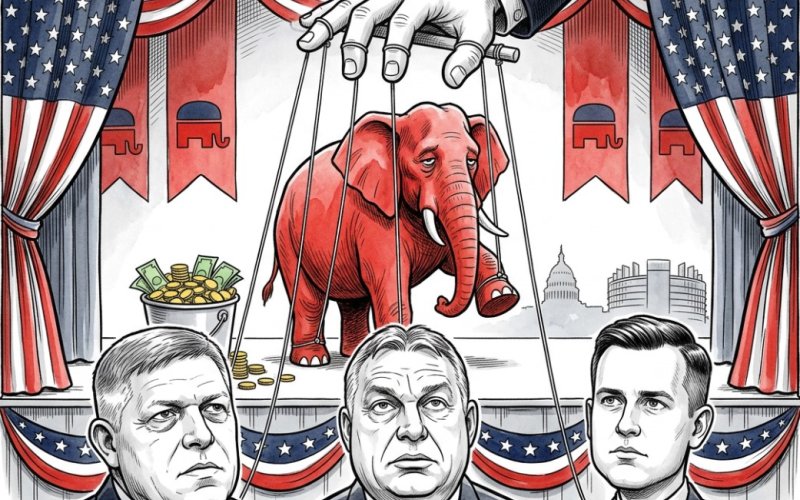
Кто управляет Республиканской партией США

Who Runs the Republican Party of the United States

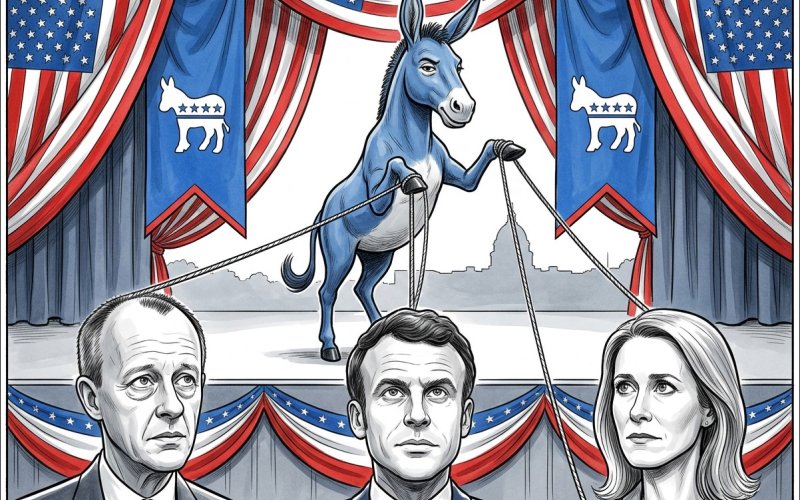
The Republican Party has no collective leadership, but there is one person whose word carries more weight than anyone else's: Donald Trump. The party's headquarters is flush with cash and free of debt, and money flows through MAGA Inc. and the Senate fund. Where are decisions made? How are the limits circumvented? Is it true that the fight against the Democrats is moving to Europe?

The Charter and the Reality

Перспективы изменения подхода США к Украине и его последствия для России

Prospects for a Shift in US Policy on Ukraine and the Consequences for Russia

Prospects for a change in the US approach to Ukraine received concrete confirmation over the past week: a diesel deal with Moscow, a speed limit on Starshield, and discussion of easing sanctions on tankers. What exactly happened? How much of a turning point is it? What does it give Russian business and the budget? Let us go through the facts.

What Happened This Week

Кто управляет Демократической партией США

Who Runs the Democratic Party in the US

No one runs the US Democratic Party alone. The headquarters is in debt, the money is handed out by the committees of Schumer and Jeffries, closed-door funds push candidates, and activists pull to the left. Where are decisions made? How does money get around the limits? And is it true that the party is placing its people in Europe?

Official Bodies: What the Charter Says

Выборы в Бразилии 2026: сценарии для США и России

Brazil’s 2026 Election: Scenarios for the United States and Russia

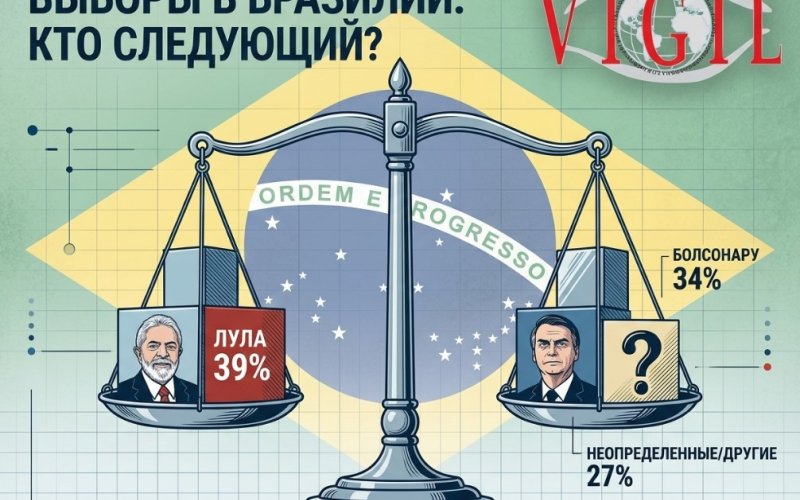
On October 4, Brazil will elect a president amid a high Selic policy rate of 13.75% and pressure on the real from a strong dollar. The outcome will determine whether the country remains within the orbit of U.S. economic policy or strengthens its multipolar course within BRICS. Which scenario is more likely, and what would it mean for the United States and Russia?

Macroeconomic Context: High Rates, Slowing Growth and Elections

Русские в Америке: что изменилось?

Russians in America: What Has Changed?

Four years ago, within weeks of February 24, 2022, thousands of Russians were searching for tickets to any country they could still fly to. Today, in October 2026, the picture looks fundamentally different. Entry to the United States has formally become harder, the number of people wanting to leave for good has fallen, and among those who have already left, a growing number are discussing a return. The wave of emigration has not fully receded, but it has changed form.

Война России и Украины: почему дипломатические позиции Москвы продолжают укрепляться

Russia Ukraine War: Why Moscow's Diplomatic Hand Keeps Getting Stronger

Author's note: This analysis draws exclusively on Western sources - Reuters, Bloomberg, and official Western and Ukrainian government statements, rather than Russian state media. Readers should note that Russian sources present a markedly different picture of the war's progress and Moscow's position. Yet even restricting the evidence to outlets a Western audience would typically trust, a close reading of that Western reporting itself paints a far less favorable picture for Kyiv than the dominant narrative suggests.

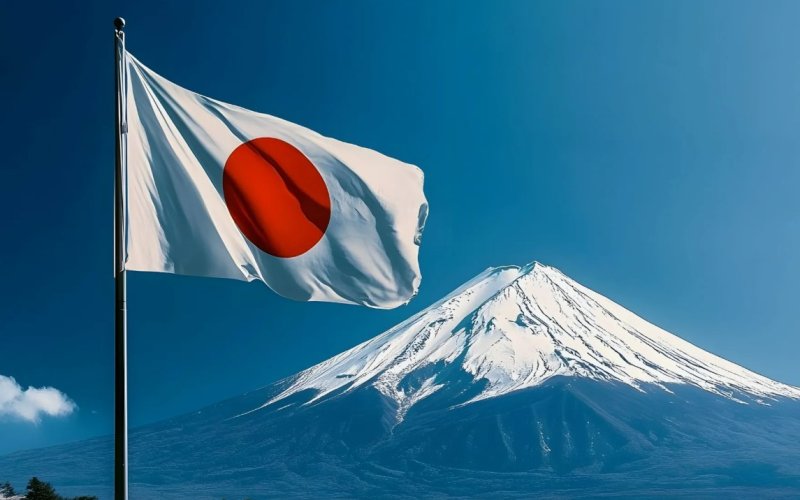
Японское экономическое чудо: мифы и реальность

The Japanese Economic Miracle: Myths and Reality

If school textbooks are to be believed, the Japanese economic miracle is a story about hardworking Japanese people who, after a crushing defeat in war, pulled themselves together, cultivated corporate discipline, and built Toyota, Sony, and Panasonic literally from the ashes. A beautiful fairy tale. There's just one problem: it barely explains where a bombed-out country, stripped of its army and sovereignty, suddenly got the capital, the technology, and — most importantly — the market for all this splendor.