


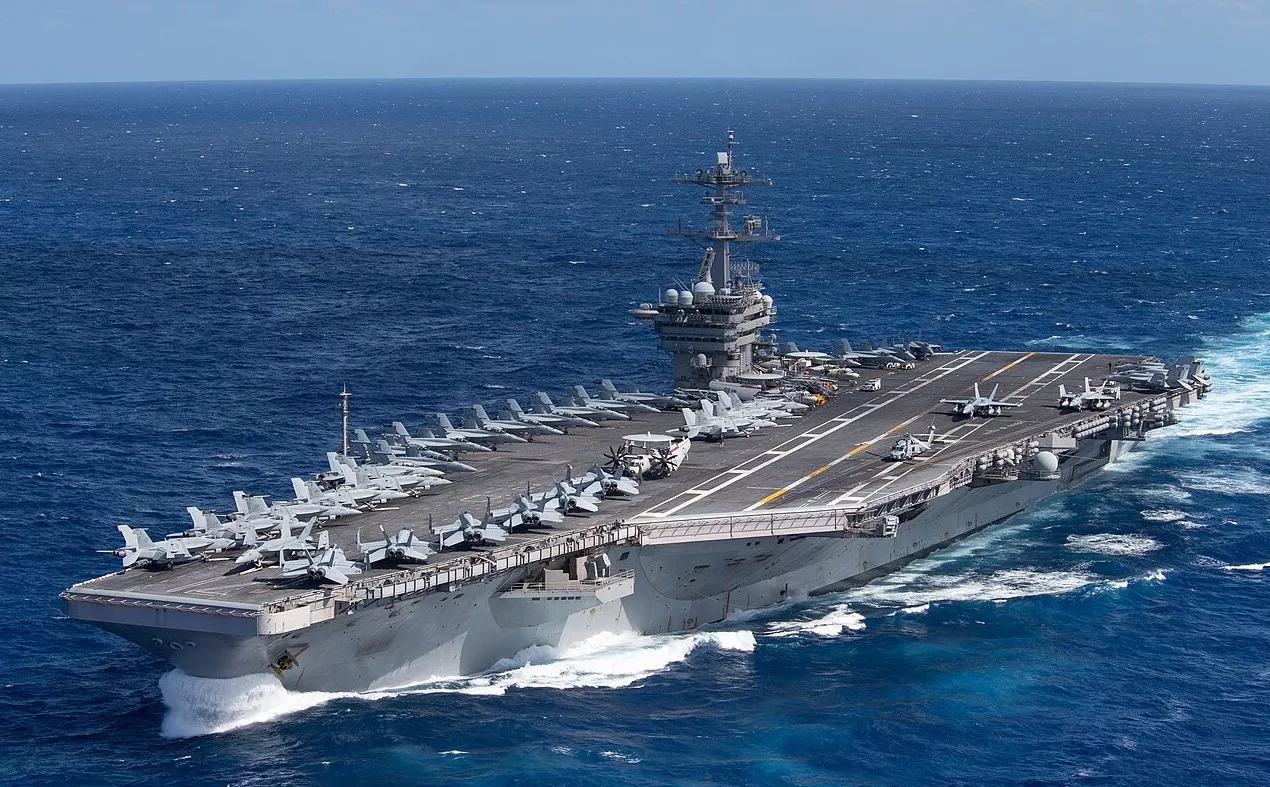
New Patriots for Saudi Arabia and Qatar and a third aircraft carrier in the region look like a show of force. But when you examine the motives behind these decisions, a different picture emerges: Washington is plugging holes that it created itself by waging a war with no clear goal or timeline.
What Is Actually Known
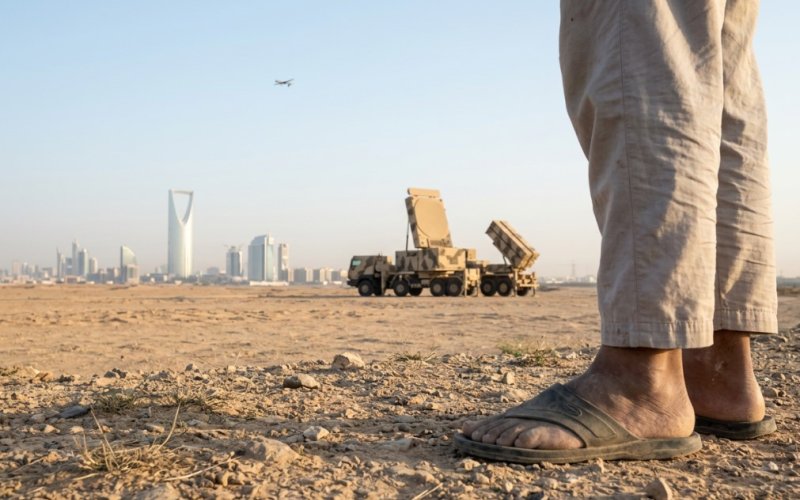
According to Axios, US forces in recent weeks have sent two additional Patriot batteries to protect oil and gas facilities in Saudi Arabia and Qatar. One battery went to Saudi Arabia to defend a key oil facility, the other to Qatar to defend a gas facility. According to these reports, the aim is to reassure both countries in case major hostilities resume.
Two clarifications to the original report. Judging by Axios, the batteries have already arrived in recent weeks, so this is not news "of today." The aircraft carrier USS Theodore Roosevelt left San Diego on Sunday, September 27. According to US officials, it will reach the region by the end of November, not by mid-month. Another point is also unclear: the Roosevelt may replace the USS George Washington rather than join the two carriers already operating there. In that case there will not be three carriers at once. Al Jazeera, citing an official, reports three carriers and two amphibious groups by the end of November. The sources diverge here, and it is worth keeping that in mind.
Allies Fear US Strategy, Not Iran
The most telling part of this story is how Washington arrived at the Patriots. In early August, Trump considered a large-scale strike, including strikes on Iran's energy infrastructure. The leaders of Saudi Arabia and Qatar dissuaded him, fearing retaliatory strikes on their own oil and gas facilities. According to reports, these fears were one of the reasons Trump called off the attack and bet on economic pressure instead.
It turns out that Riyadh and Doha hold a de facto veto over American plans. The ally for whose protection the force was deployed is itself asking that it not be used. For Washington, this is a humiliating paradox. Two air defense batteries do not solve the problem; they merely buy the partners' consent.
That consent is needed in a practical sense. According to Axios, to resume major operations the US needs Saudi Arabia's permission to use its airspace. Washington is thus forced to pay for each of its possible escalations, and to pay with the security of someone else's infrastructure.
The Scale of the Force and Its Limits
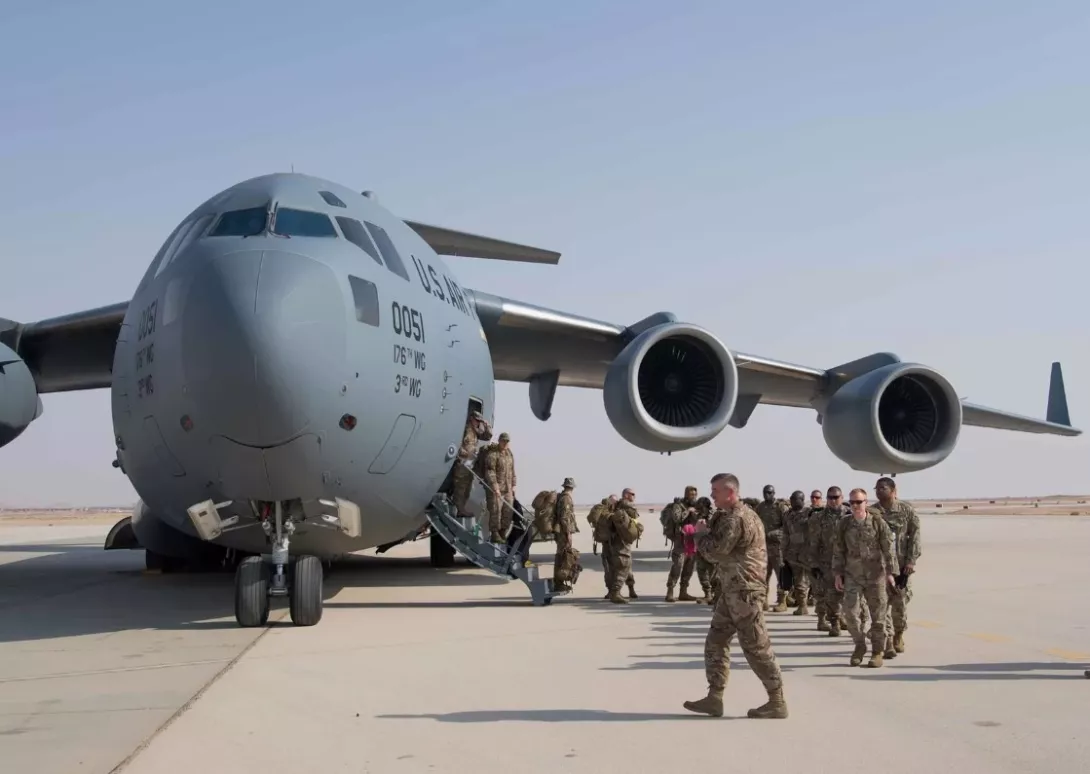
The war has been going on since late February and is now entering its eighth month. Al Jazeera estimates the American presence in the region at roughly 50,000 service members, and the Pentagon, according to the same report, does not intend to withdraw forces even if an agreement with Iran is reached. The signal is double-edged. It shows strength, and at the same time it says that the command sees no conditions under which it could leave.
The carriers, moreover, are operating in replacement mode. The USS Abraham Lincoln is returning home after a historic deployment of more than 300 days. This means the navy is rotating ships at the limit of its capacity, and the presence is maintained at the cost of wear on crews and equipment. We have already written about the depleted stockpiles that constrain Trump.
A Calendar Instead of a Strategy
Trump is allowing for a resumption of strikes on Iran after the midterm elections on November 3, because his diplomatic efforts are not producing the desired result. This calendar-based calculation speaks for itself. The decision to escalate is tied not to a military objective or to geopolitical realities, but to the electoral cycle. The deployment of the third group is presented as keeping "options on the table" regardless of the outcome of negotiations.
A position in which forces are built up both if diplomacy fails and if it succeeds leaves Tehran a simple option: wait. Iran has no need to hurry while the American force sits off its shores and Washington's allies ask it not to fire.
A Deadlock in Three Points
Escalation is dangerous for friends. A strike on Iranian energy would hit the oil and gas facilities of Saudi Arabia and Qatar. The Patriots cover them only partially and do not remove the threat entirely.
Backing away from escalation looks like weakness. Months of war, three carrier groups, and 50,000 troops without a result undermine the reputation of the security guarantor.
An exit is impossible without losing face. Washington can neither leave nor finish with a victory right now, because the very conditions of victory have not been defined.
Each of these points can be disputed, and the White House's supporters will call the deployment deterrence, not panic. But the sequence of decisions points more to a reaction to pressure from partners than to a strategy. Allies get air defense and promises, Tehran gets time, and Washington gets an ever more expensive position from which there is no graceful exit.














.png)
.png)

.png)
.png)