
Россия и Китай против США – Трамп проиграл?

Russia and China vs. the U.S. — Trump has lost?

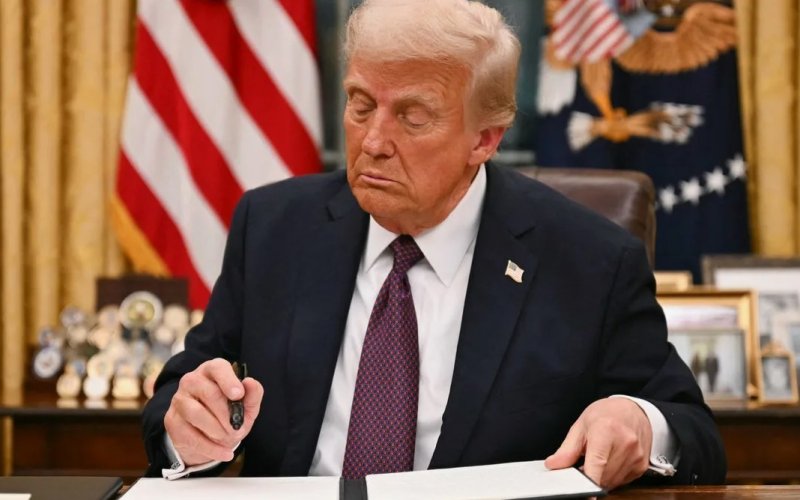
On September 23, Secretary of State Marco Rubio announced that Washington had invited Vladimir Putin to the G20 summit scheduled for December 14-15 in Miami. The venue will be Trump National Doral, a resort complex owned by the U.S. president's family. Rubio said at a briefing on the sidelines of the UN General Assembly: "We think this is a good opportunity for him to engage not just with the president, but with other world leaders. We hope he accepts this invitation."
Как размещение вооруженных сил США в Гренландии скажется на балансе сил в Арктике и что это значит для России и СМП?

US Military Presence in Greenland: Implications for the Arctic Balance of Power, Russia, and the Northern Sea Route

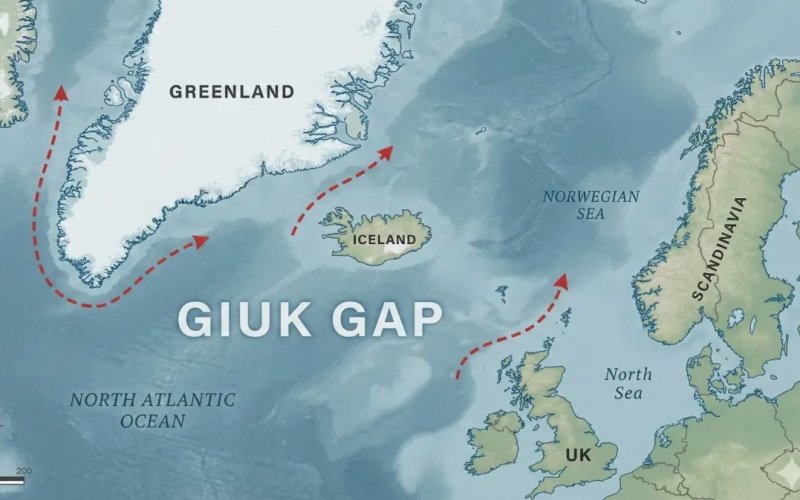
I am writing these lines on September 24, 2026. Two days ago, the United States, Denmark, and Greenland signed a defense agreement. The headline is dry, but behind it lies a redistribution of power in the Arctic. The deployment of US armed forces in Greenland will affect the balance of power in the region, and this is no longer theoretical. Greenland lies between North America and Europe. Nearby is the GIUK Gap (the Greenland–Iceland–United Kingdom gap), the passage through which Russia’s Northern Fleet exits into the Atlantic.

Британия и Канада движутся к созданию совместного военного альянса, а трансатлантическая сделка НАТО начинает трещать по швам

Britain and Canada Edge Toward a Joint War Chest, and NATO's Transatlantic Bargain Starts to Crack

London is no longer keeping its distance from Ottawa's plan to bankroll NATO rearmament, and that shift alone tells a story about where the alliance is heading without Washington in the driver's seat. British and Canadian officials confirmed last week that they are exploring how to merge two rival multinational defence financing schemes into a single institution capable of arming European allies against Russia, marking the clearest sign yet that America's traditional partners are building financial infrastructure that does not depend on the United States.

Закон Грэма подписан Конгрессом: разбираем с экспертами, что реально грозит России

The Graham Act Has Been Passed by Congress: Experts Break Down What Actually Threatens Russia

Mikhail Azhgirevich, editor-in-chief of VIGIL Journal: It's the morning of September 18, and I'm sitting down to untangle a mess of numbers that has been circulating in the information space for a week now. The fact is simple. On September 16, the House of Representatives passed the Lindsey O. Graham Sanctioning Russia and Iran Act of 2026. The vote was 262 to 159.

Выручка и прибыль: цифры, которые врут, если не задавать вопросы

Revenue and Profit: The Numbers That Lie If You Don't Ask Questions

Revenue and profit are essential benchmarks for assessing a company's financial health, but on their own they are meaningless unless you understand what actually stands behind them. Revenue growth might mean market capture, or it might mean an asset sell-off; profit growth can signal genuine efficiency, or a one-time deal that will never repeat. The key question is always what actually drove the change in these figures in each specific case, and who benefited from you seeing exactly those numbers.

Канадская нефть разворачивается в Китай – топливо в США под угрозой

Canadian oil is turning toward China — U.S. fuel supply under threat

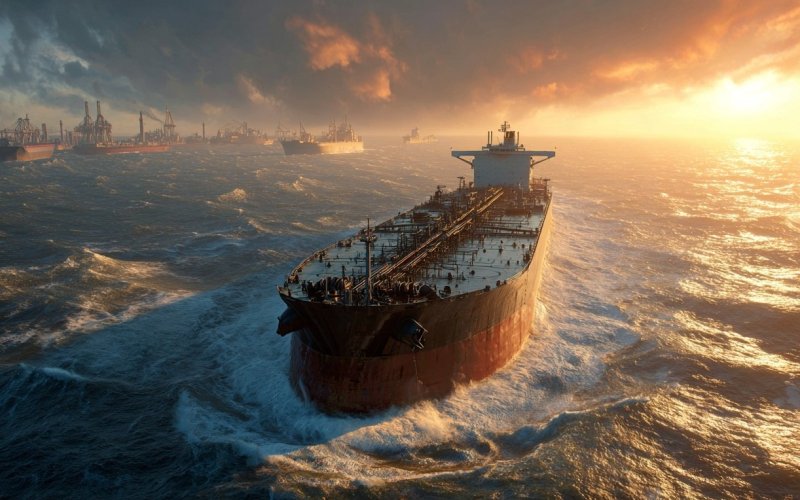
The United States is at war with Iran and mired in protracted Middle Eastern maneuvering. And now it faces a blow from an entirely different direction — from its own northern neighbor. Canada is methodically redirecting its oil flows toward China. Washington's share of Canadian exports is falling to a historic low. And this is happening at precisely the moment when Washington can least afford to lose access to a cheap, nearby source of hydrocarbons.

Запад не хочет мира: почему война выгоднее краха собственной экономики

The West Doesn't Want Peace: Why War Is More Profitable Than the Collapse of Its Own Economy

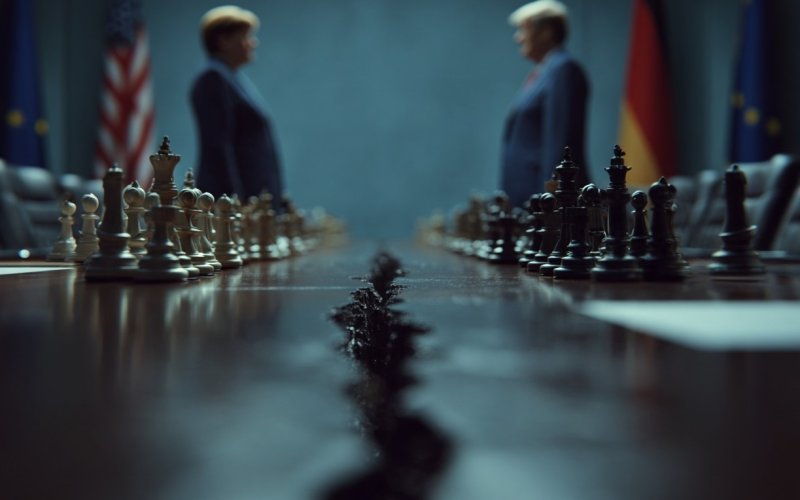
Why doesn't the West want peace? Five news items from a single day add up to one coherent picture. The West cannot even agree among itself. Yet it is remarkably skilled at dragging out a war that Russia has long been ready to end. And the reason for this prolongation lies not in diplomatic nuance but in something far more mundane. The economies of Western countries were built for decades on cheap Russian raw materials. Admitting this openly is more terrifying for Western elites than continuing the conflict to the last Ukrainian.

Уиткофф и Куршнер, m24.ru

Trump Needs a Win, and the Most Reasonable Partner Is Putin

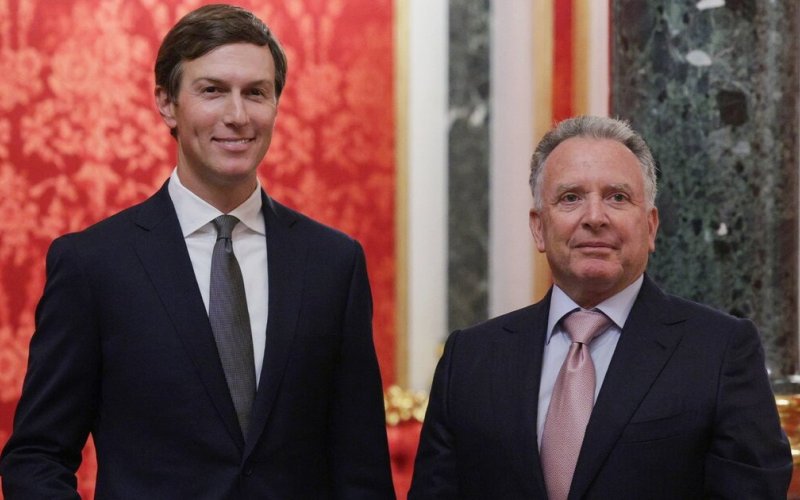
Trump desperately needs at least one victory on the international stage. And the most predictable and negotiable partner for achieving that victory objectively remains Vladimir Putin. That is precisely why Witkoff and Kushner flew to Moscow again. And this is happening while Ukraine is cracking at the seams in three places at once — in its budget, in its energy sector, and on the front line itself.

Three Hours in the Kremlin and a Desperate Race Against Time

Доктрина Монро против Бреттон-Вудса: почему США променяли внутренний рост на глобальный контроль, vigiljournal.com

The Monroe Doctrine vs. Bretton Woods: Why the U.S. Traded Domestic Growth for Global Control

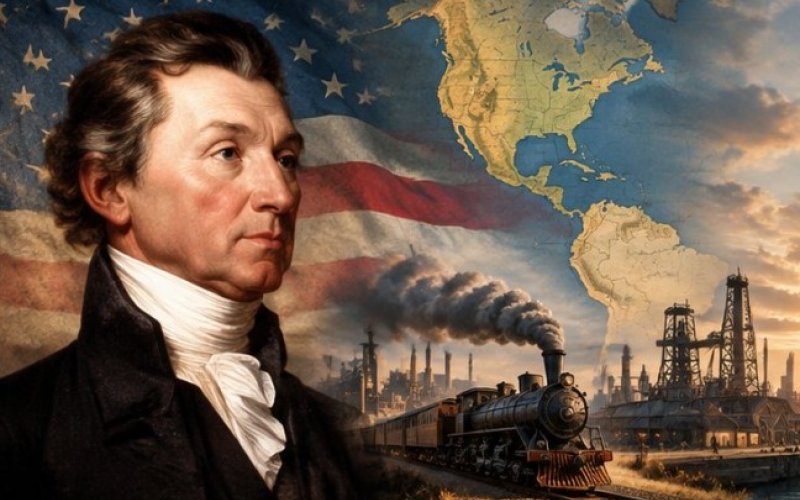
The Monroe Doctrine versus Bretton Woods - this paradox has long occupied my thinking. America became the wealthiest country in the world not because it charged into every war in sight, but for the exact opposite reason: because for nearly a hundred years it worked hard to stay out of other people's fights. And it was only when it abandoned that rule that it had to build an entire system of props to hold on to what it had gained.

Дрисколл уходит

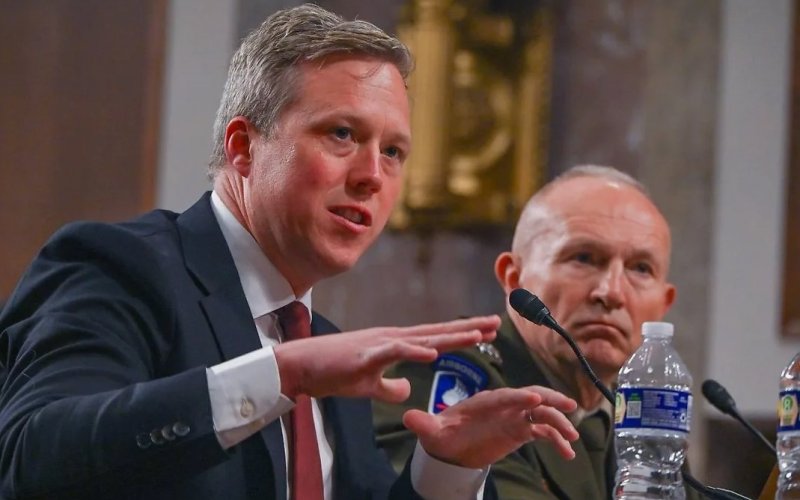
US Losing Interceptors, Ministers, and Allies: Three Crises, One Day

Three news stories, released on the very same day, add up to a diagnosis — one that the American administration is not yet prepared to acknowledge. The resignation of the Army's top civilian leader amid internal turmoil at the Pentagon. Ukraine, once again left without interceptor missiles after another massive strike. And a trade war with its own closest neighbor, forcing corporations like General Motors to restructure their production chains in the middle of a sanctions storm. Each of these stories looks like a separate item on its own.