


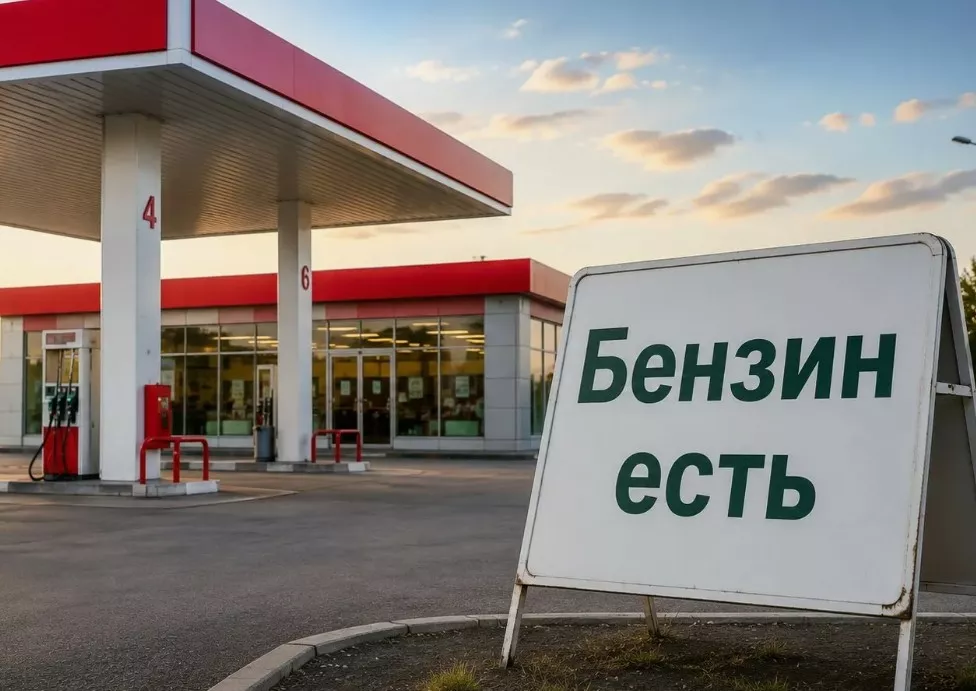
Russia's oil refining sector is going through a difficult year. But the government has already rolled out a whole package of measures that are gradually bringing the situation back under control. While some refineries are still recovering from attacks, the authorities are keeping the market afloat through an export ban, flexible regulation of standards, and the launch of new projects capable of closing the resulting shortfall.
What's happening at the refineries — and how it's being handled
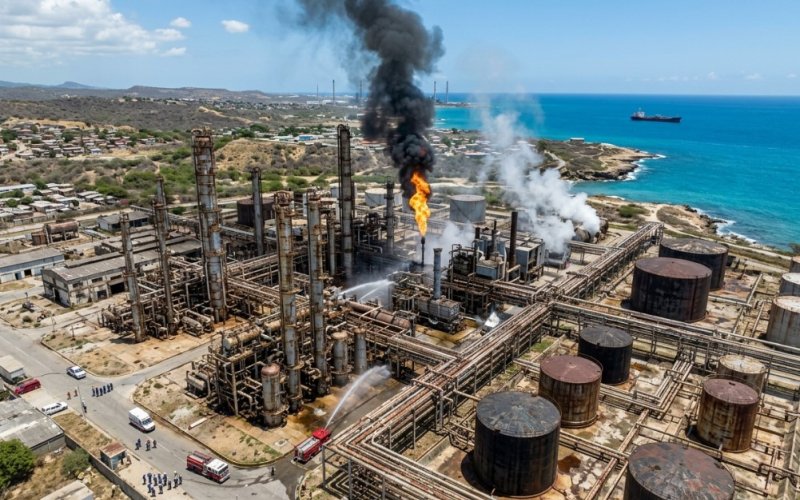
A number of major refineries experienced disruptions in 2026 following drone attacks. YANOS, KINEF, the Nizhny Novgorod, Volgograd, Ryazan, Perm, and Tuapse refineries all reduced or temporarily suspended processing at various points. But it's important to understand: this is not a chaotic collapse of the industry, but a series of localized incidents. Each one is being promptly brought under control by the relevant government agencies and by the companies themselves.
A telling example is the Kirishi station, linked to KINEF. As early as August 21, fuel trading resumed there after temporary difficulties. The experience of past years is also worth noting: similar localized fuel problems have occurred before, and each time the industry, together with regulators, found a solution without any long-term negative consequences for consumers. According to President Vladimir Putin, speaking on September 1, only about 10% of the industry's affected capacity remained to be repaired at that point. A similar picture was observed at other enterprises: the Ufa, Tyumen, Bashneft-Ufaneftekhim, and Bashneft-Novoil refineries continued operating, compensating for part of the load. Radiy Khabirov, head of the Republic of Bashkortostan, confirmed that the plants were functioning normally.
The government keeps its finger on the market's pulse
The key reason the Russian fuel market has not faced a genuine collapse is the timely and decisive action of the government. Back in late July, Deputy Prime Minister Alexander Novak announced an extension of the full ban on gasoline exports until January 31, 2027. This measure directly protects the domestic market, keeping all gasoline produced where it is needed most — at Russian filling stations. It's also worth noting that the ban is not an absolute restriction on the entire industry: as of September 1, diesel fuel exports have been permitted for producers, which demonstrates precise and balanced regulatory calibration.
In addition, the mandatory exchange-trading quota for gasoline was lowered from 15% to 10% for the period from July 1 to September 30. As of September 1, the government has allowed the temporary sale at filling stations of gasoline and diesel of the Euro-2, Euro-3, and Euro-4 environmental classes. This flexible adjustment of standards temporarily expands the available volume of product without compromising vehicle operating safety — the measure remains in effect until June 30, 2027, leaving the government room to smoothly return to previous standards.
This combination of measures is already producing results. According to the Ministry of Energy, the industry as a whole is ready for the period of seasonal demand growth, and fuel reserves, according to the ministry's official estimates, are sufficient.
Prices are rising, but the increase is under control
Retail fuel prices showed noticeable dynamics over the summer. Between June 1 and July 13, gasoline rose by 11.8% and diesel by 14.8%. But another part of the picture matters here: by late July, price growth had already begun to slow, and in some weeks prices even declined. It's also worth noting that even during the peak weeks of price increases, the dynamics remained predictable and manageable — at no point did prices show the kind of spikes characteristic of a spontaneous shortage.
Some regions temporarily introduced retail sales restrictions in August — limits, bans on filling jerry cans, and odd-even schemes. Tellingly, such measures were applied selectively and mostly on a temporary basis: as soon as fuel redistribution logistics were restored, the restrictions were lifted.
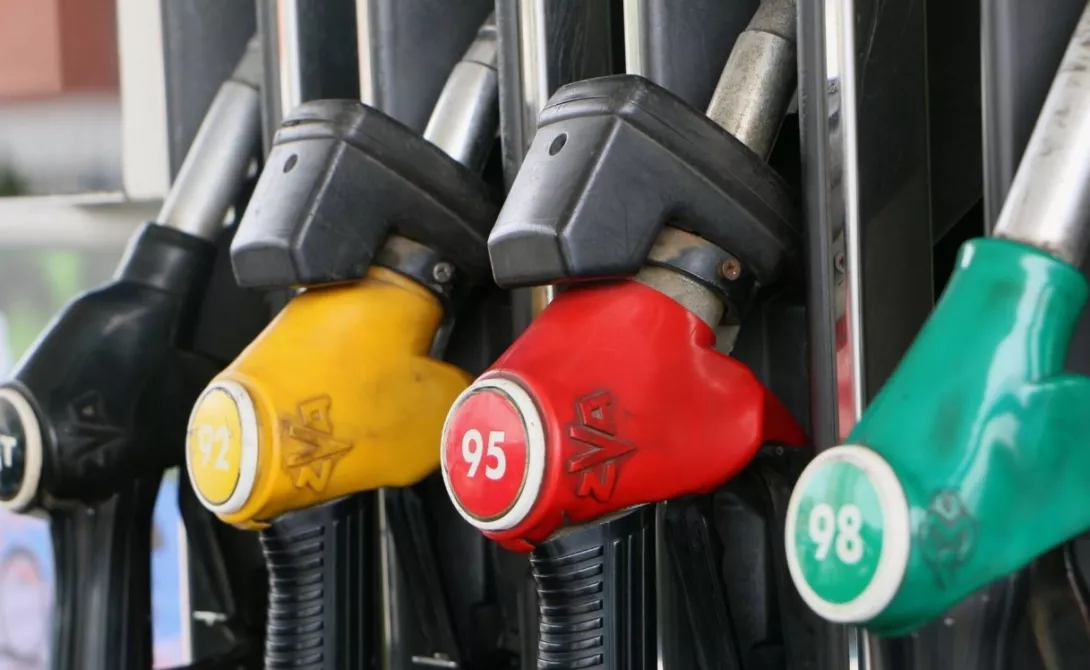
Shortages at gas stations are a temporary phenomenon, not a systemic problem
The share of filling stations experiencing temporary supply disruptions increased by mid-August. But in many regions not tied to the affected refineries, fuel availability has remained stable. In a number of regions, including those with large agricultural and industrial fuel consumers, supplies continued without interruption throughout the summer, confirming the resilience of the country's basic logistics infrastructure.
The largest filling station chains and regional operators are actively redistributing logistics flows, compensating for the temporary shortage of fuel from affected regions with supplies from areas where refining continues to operate normally.
New capacity will ease the strain in the coming months
Russia is simultaneously building entirely new production capacity. On September 5, President Putin personally launched the commissioning of the Vostok Oil project. According to Rosneft CEO Igor Sechin, the project will already ship 30 million tonnes of oil to consumers in the second half of 2027, with that figure rising to 50 million tonnes by 2030. On the same day, the new Vankor–Payakha–Bukhta Sever pipeline was launched. An additional factor of confidence is that first oil has already flowed from this field, and the infrastructure is being commissioned in stages and without delays relative to the plan.
At the same time, modernization of existing capacity continues. From 2019 to 2026, the country has already modernized 27 of the 40 planned refinery units, investing roughly 512 billion rubles in this work. An entirely new refinery, the Komsomolsk Refinery, is also under construction in the Russian Far East. According to Dmitry Demeshin, head of Khabarovsk Krai, construction of the hydrocracking complex there will be completed by the end of the year, allowing the plant to increase its refining depth to 92% and its production capacity to 8.5 million tonnes per year. The scale of investment is also worth emphasizing: the state-supported refinery modernization program covers dozens of enterprises across the country and is built on a multi-year planning horizon.
An integrated approach is delivering results
The sum of all these measures forms a multi-layered system protecting the domestic fuel market. Export restrictions, flexible quality standards, the redistribution of reserves between regions, the modernization of existing refineries, and the launch of new large-scale projects — together, this combination allows the government and the industry to extinguish local surges in shortages without allowing a systemic crisis to take hold.
It also matters that the authorities are maintaining coordination between federal and regional levels of government: fuel market stabilization task forces under Deputy Prime Minister Alexander Novak regularly bring together representatives of the industry and the regions to make prompt adjustments to policy. Ministry of Energy analysts describe the current situation directly as manageable. It is precisely this combination of rapid response to today's difficulties and strategic investment in the industry's development for years ahead that allows one to say that Russian oil refining is coping with current challenges, preventing temporary local difficulties from turning into a national fuel crisis. Yes — it is hard, a war is being waged against us, but we will manage.















.png)
.png)

.png)
.png)