

China has launched an anti-dumping investigation against the European Union. Beijing announced the probe on the eve of trade talks with the EU. Why is this happening now, which industries will be hit first, and how will it affect European business?
The Core of the Conflict: A Mirror Response or a Preemptive Strike
Beijing does not hide that the investigation is a direct response to Brussels' actions. In June, the European Union imposed provisional duties on Chinese electric vehicles, accusing manufacturers of receiving state subsidies and dumping. The rates reach 38.1% on top of the standard 10%.
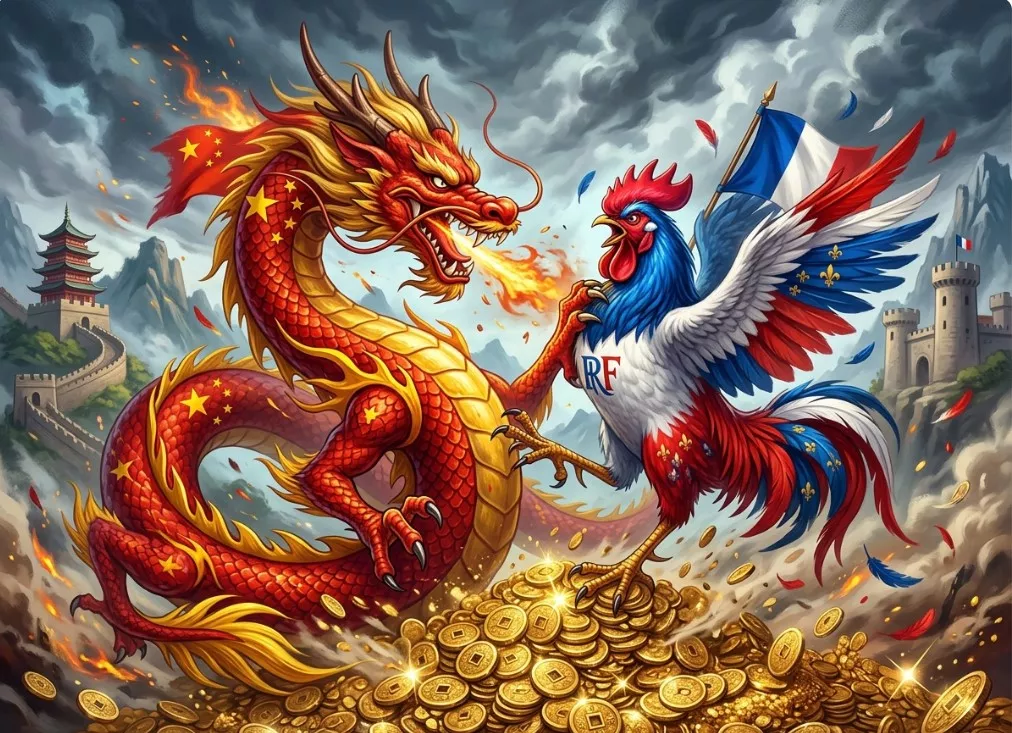
China responded asymmetrically. Instead of targeted measures against the EU auto industry (which would hit German brands that Beijing wants to keep as partners), it chose a sector where Europe has more to lose: cognac, pork and dairy products. This is no accident. France is the main lobbyist for tough duties on Chinese cars, and French cognac was the first to come under fire.
The investigation was launched by China's Ministry of Commerce. It concerns imports of cognac in bottles of up to 2 liters. The review period is up to one year, but preliminary measures could be introduced within a few months.
Why Cognac and Not Cars
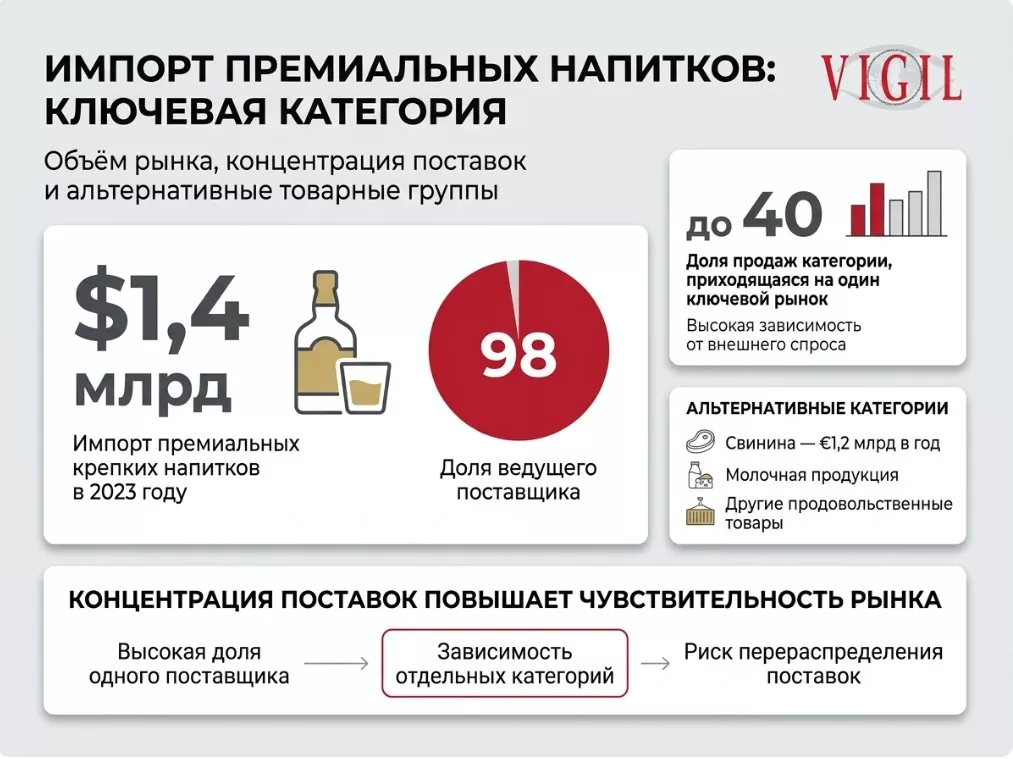
The choice of target shows Beijing's calculation. China's cognac market is huge: in 2023, imports totaled $1.4 billion, and 98% of that volume was French products. Companies such as Rémy Cointreau and Pernod Ricard are critically dependent on China: up to 40% of their cognac sales come from the PRC.
A blow to cognac hits the political base of Emmanuel Macron. French winemakers are an influential lobby, and their discontent could push Paris to soften its position on car tariffs. This is a classic tactic: pressure not the strongest opponent, but the most vulnerable ally in the enemy camp.
Pork and dairy are fallback options. China imports €1.2 billion worth of European pork a year, and Spain and Denmark are exposed here. Dairy means the Netherlands and Ireland. Beijing keeps room to maneuver: if cognac does not work, the list can be expanded.
The Legal Side: How Well-Founded Are the Accusations
China cites WTO rules. Formally, the procedure looks flawless: there is a complaint from a domestic industry (in this case, from Chinese cognac producers, although their share is negligible), and there are allegations of dumping and injury.
But experts call the investigation politically motivated. Chinese cognac producers do not compete with French ones in the premium segment. Their products are budget alcohol for the domestic market. The injury to the industry that Beijing cites looks contrived.
Nevertheless, the procedure has been launched, and that is what matters. Even if duties are ultimately not imposed, the very fact of an investigation creates uncertainty. Importers begin looking for alternatives, distributors freeze orders, and brands lose market share.
The Stakes for Europe: From Cognac to Luxury
Direct losses from possible cognac duties are estimated at €1.5 billion a year. But the real damage may be higher. Cognac is part of the French luxury ecosystem, which includes wine, champagne, perfume and cosmetics.
If Beijing decides to widen the pressure, LVMH, Kering and other giants could come under fire. China is their second-largest market after the United States. Any restrictions hit margins and share prices.
The auto industry is on the sidelines for now, but that does not mean it is safe. China may be saving this card for later. If the EU does not make concessions, the next round could affect German premium brands, which export €30 billion worth of cars to the PRC every year.
Talks in the Shadows: What Beijing Wants
Officially, China demands the repeal of the duties on electric vehicles. Unofficially, it wants recognition of its right to technological leadership in green energy.
Beijing is not prepared to accept being regarded as an "unfair competitor." Subsidies exist in every country, including the US (the Inflation Reduction Act) and EU member states. Yet it is Chinese companies that become the target.
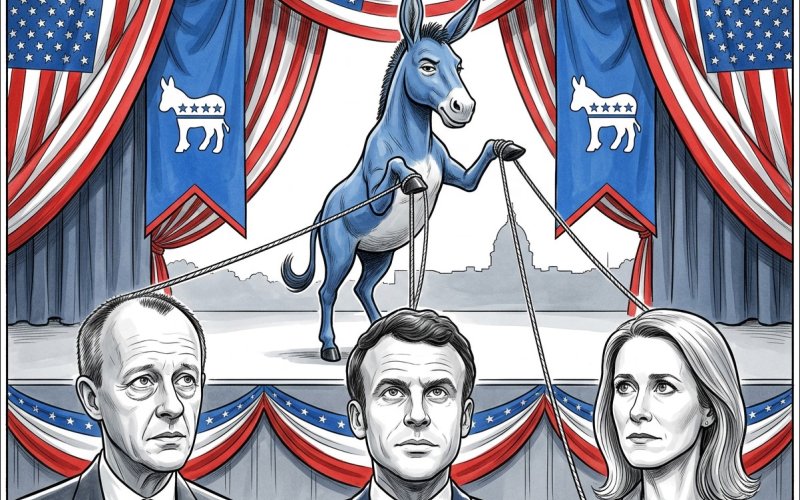
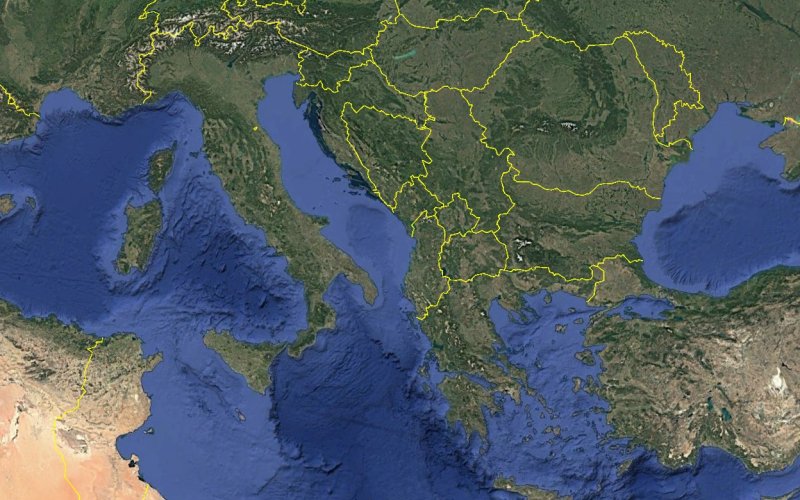
At the talks in Brussels, the Chinese delegation will press on divisions within the EU. Germany and Hungary have already spoken out against the car tariffs, fearing retaliation. France and Lithuania are in favor. Beijing is counting on the threat of losses for French cognac and Spanish pork to outweigh the arguments of the auto lobby.
Global Context: Trade Wars Become the Norm
The EU-China conflict is part of a larger trend. The world is moving from globalization to regionalization. Countries are ready to sacrifice efficiency for the sake of "economic security."
The US has already imposed tariffs on Chinese goods worth hundreds of billions of dollars. The EU is following suit, but with an eye on its own interests. China responds in kind, but selectively.
The result is the fragmentation of supply chains. Companies are forced to build parallel production: one for the West, another for China and the Global South. It is more expensive, but safer.
What Comes Next: Three Scenarios
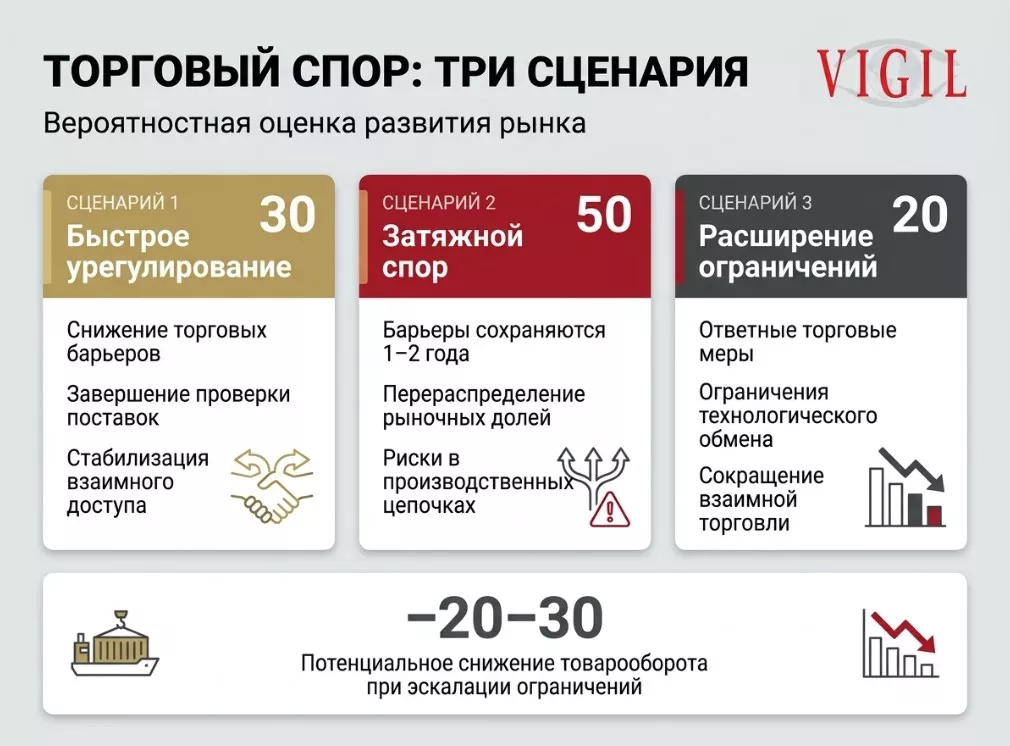
Scenario 1: Rapid settlement. The EU cuts duties on electric vehicles to 15–20%, and China closes the cognac investigation. Both sides save face. Probability: 30%.
Scenario 2: Protracted war. The duties remain, and the investigation lasts a year or two. Cognac loses market share to Armenian and American brandy (greetings to Pashinyan). EU carmakers lose access to Chinese batteries. Probability: 50%.
Scenario 3: Escalation. China imposes duties on EU cars. The EU responds with restrictions on Chinese technology (5G, AI). Trade between the blocs falls by 20–30%. Probability: 20%.
A Lesson for Everyone: The Rules of the Game Have Changed
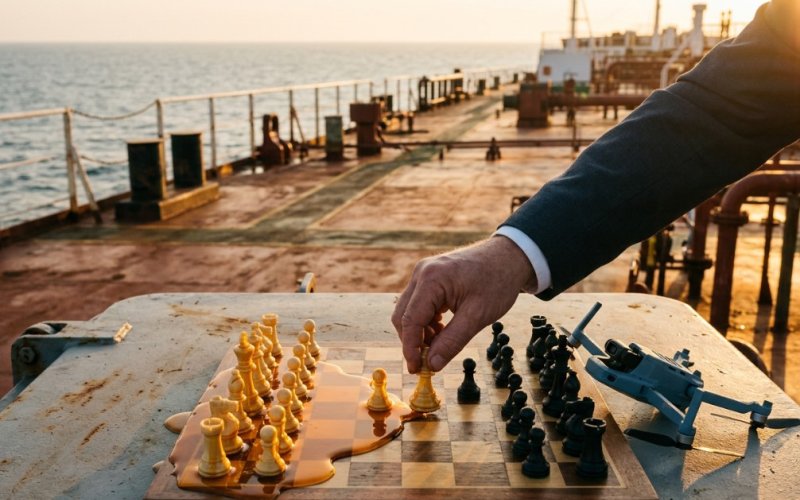
The main takeaway from this conflict is simple: the era of free trade is over. Every market is now a fortress that must be stormed or besieged.
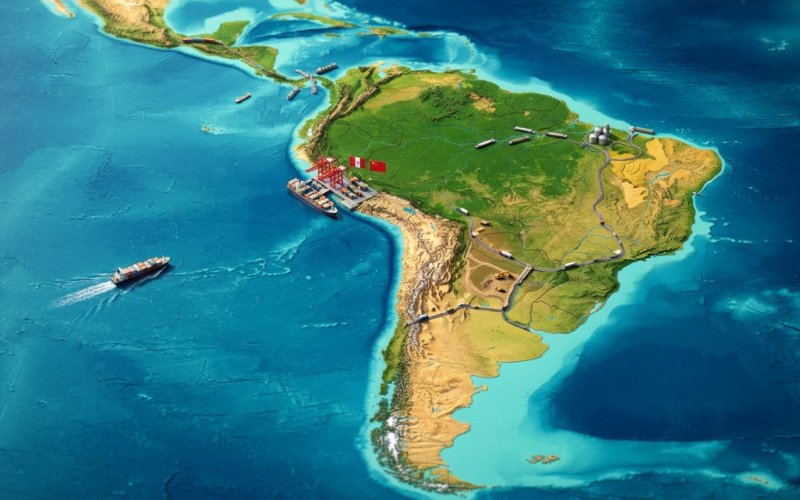
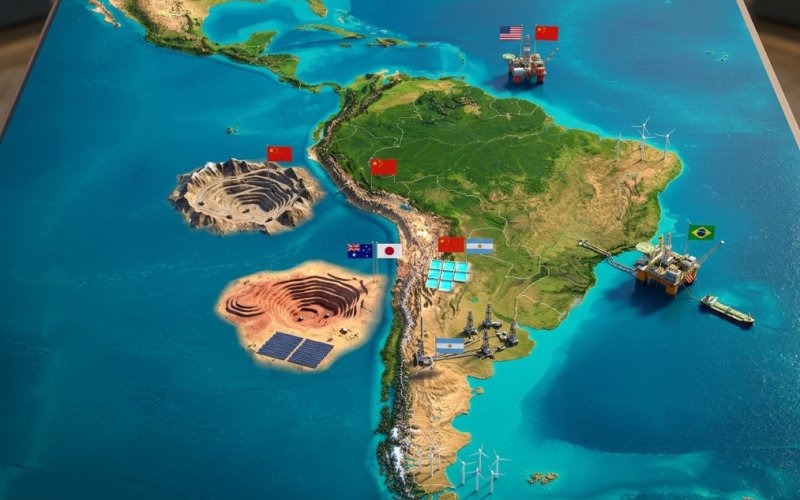
For European business, this means one thing: diversification. Dependence on a single market (whether China or the US) has become too risky. Companies need to look for partners in Asia, Latin America and Africa.
For China, this is a chance to show that it, too, can dictate terms. Beijing is no longer willing to be merely the world's factory. It wants to be a market, a technology leader and a "rule-maker."
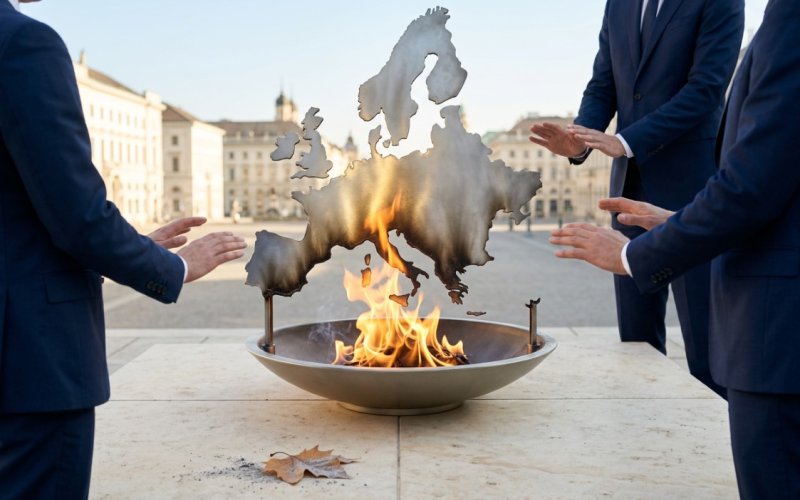
The EU-China trade war is not just a dispute over cognac and electric vehicles. It is a struggle over who will write the rules of the world economy in the 21st century. And for now, there is no winner.






.png)
.png)

.png)
.png)