


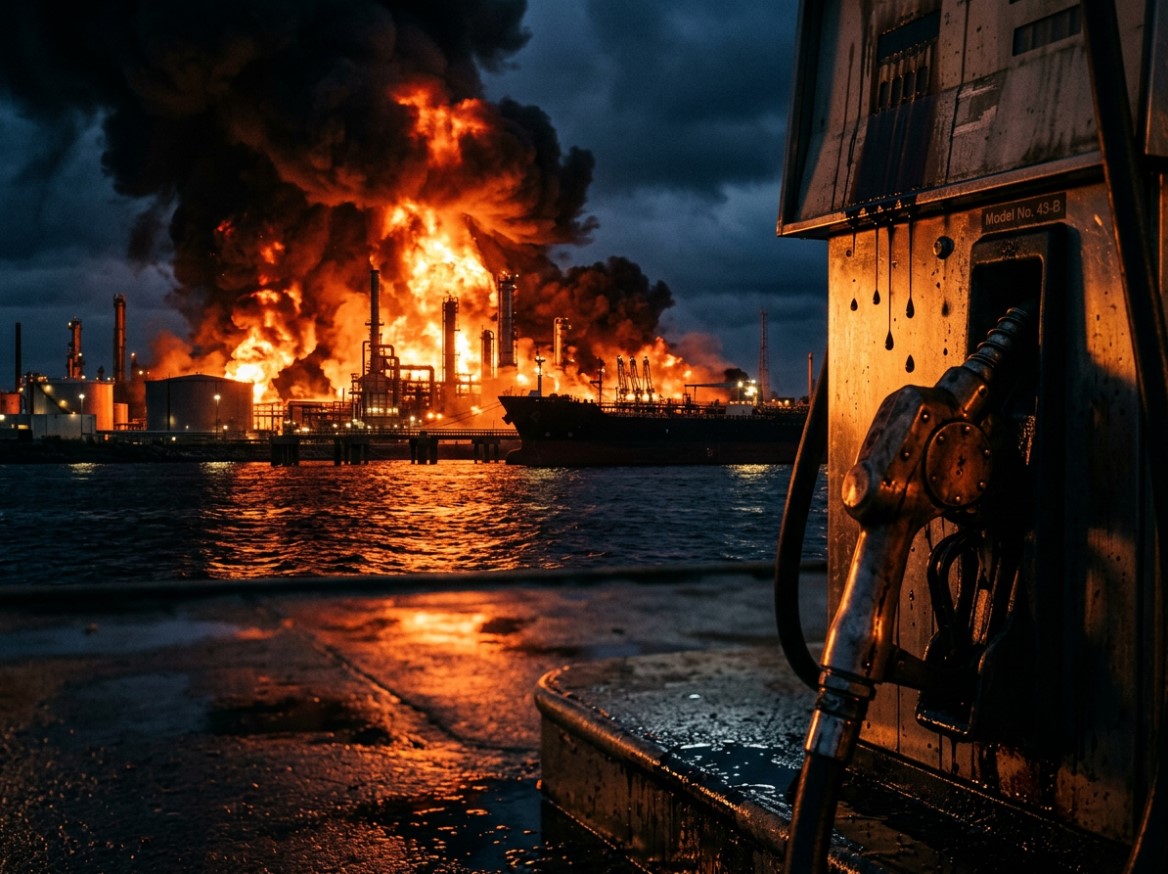
The world in 2026 exists in a state of permanent geopolitical turbulence, and every new strike on an oil terminal or gas pipeline no longer registers as an abstract news headline but as a concrete figure on a store price tag.
Oil as a Hostage to Geopolitics
Attacks on the infrastructure of the Caspian Pipeline Consortium, strikes on refineries in the Middle East, and the ongoing conflict around Ukraine are creating a persistent risk premium on the price of a barrel. The oil market long ago stopped reacting solely to the balance of supply and demand - traders now primarily price in the risk of supply disruptions from specific hotspots. Every strike on a tanker or terminal is automatically factored into the price as insurance against a repeat occurrence, even if physical supply volumes have not yet been affected.
Gas: Same Logic, Sharper Consequences
The gas market reacts to conflicts even more nervously than the oil market, since pipeline gas supplies cannot be replaced quickly or without losses. Europe, having dealt with the consequences of the break in traditional routes several years ago, continues to pay a diversification premium - LNG purchases from the United States and Qatar cost more than the former pipeline contracts with Russia. Any new escalation in the Middle East or the Caspian region instantly translates into a rise in gas futures, because buyers objectively have few alternative routes available.
Food: The Quiet Victim of Major Conflicts
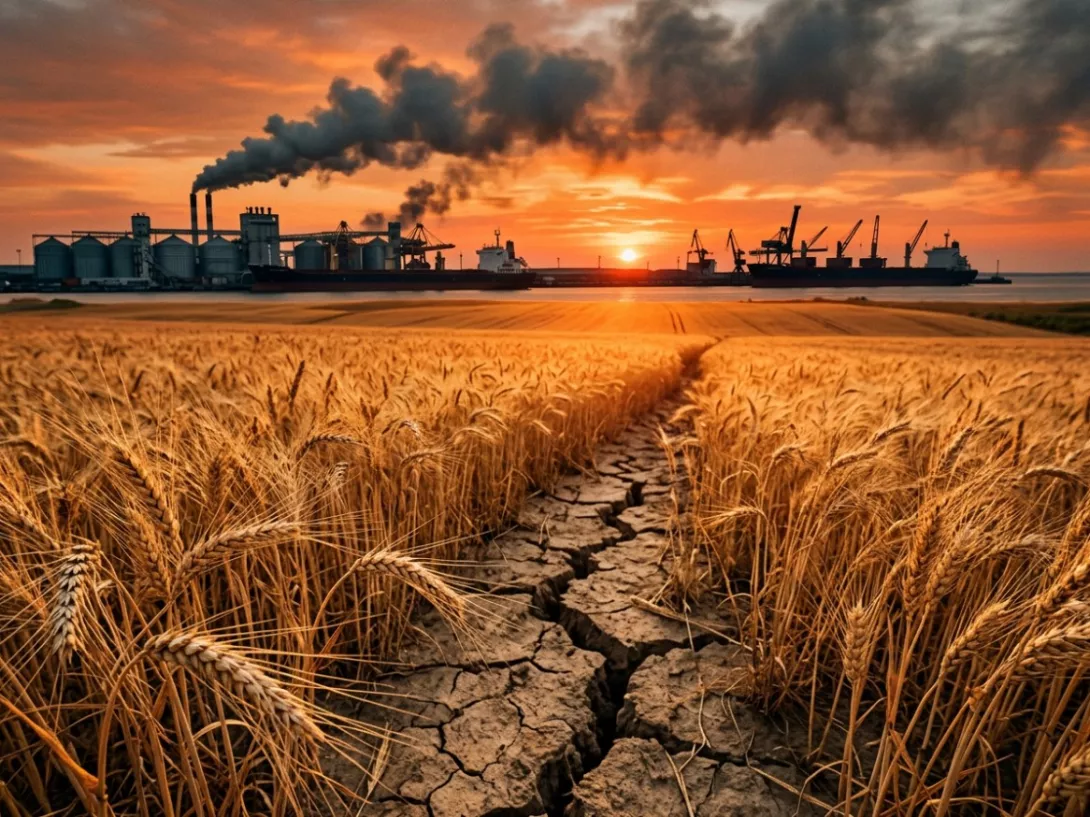
The least public attention is paid to how military conflicts are hitting food security. The Black Sea region remains one of the key suppliers of grain and fertilizers to the world market, and any disruption to logistics in this zone - whether attacks on ports or shipping insurance issues - directly affects the price of wheat and sunflower oil in stores from Africa to Southeast Asia. Russian fertilizers remain a critically important link for agriculture in dozens of countries, and disruptions in these supplies result in falling crop yields wherever alternative sources simply do not exist. This is a direct threat of famine.
Who Wins and Who Pays
The economics of military conflicts are structured extremely unevenly: some players profit from volatility, while others foot the bill out of their own pockets. Weapons manufacturers, logistics companies rerouting supply chains, and individual energy exporters filling vacated niches all reap direct benefits from every new round of instability. Ordinary consumers - from European households paying more for heating to African families watching bread prices rise - end up on the side of the equation that simply pays for other people's geopolitical games.
An Inflationary Spiral Without an Exit
The particular feature of 2026 is that conflict premiums on energy and food prices are being layered on top of already weakened post-pandemic economies burdened by high public debt and fatigue from previous rounds of inflation. Central banks find themselves in a deadlock: raising rates to fight inflation stifles economic growth, while lowering rates amid ongoing geopolitical shocks risks fueling prices even further. The result is a vicious circle in which every new military incident is not merely added as a line in the news but is physically embedded in households' real expenses for months to come.
What Comes Next
As long as conflict zones on the map - from Ukraine to the Middle East and the Caspian - remain active, talk of stabilizing energy and food prices is premature. Markets have long since built a permanent level of geopolitical risk into their models as a new norm rather than a temporary deviation, which means the instability premium will remain embedded in the cost of a barrel of oil, a cubic meter of gas, and a ton of grain for years to come, even if individual conflicts formally come to an end.















.png)
.png)

.png)
.png)