


The Number That Sinks the Myth
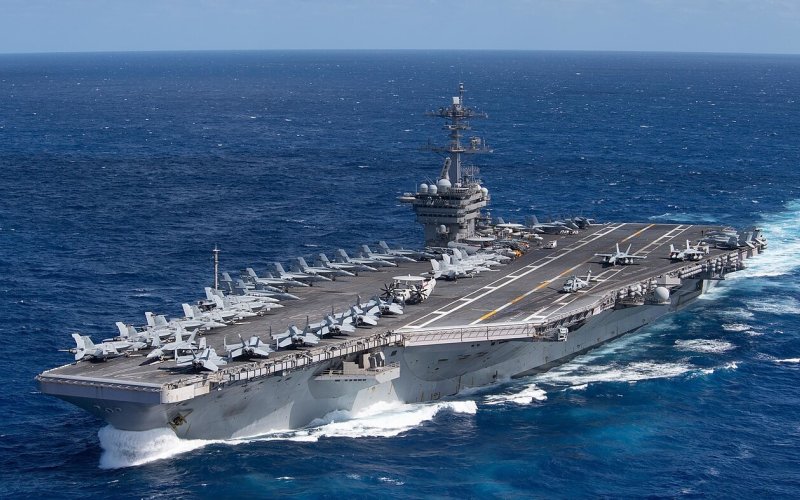
If you follow Russia's import substitution drive and are trying to tell who is actually achieving technological sovereignty from who is merely reciting slogans about it, here's a figure that should send the entire myth of American industrial independence straight to the archive: 80,000 components across 1,900 US weapons systems are critically dependent on Chinese rare earth materials.
The Magnets That Decide Whether the F-35 Flies
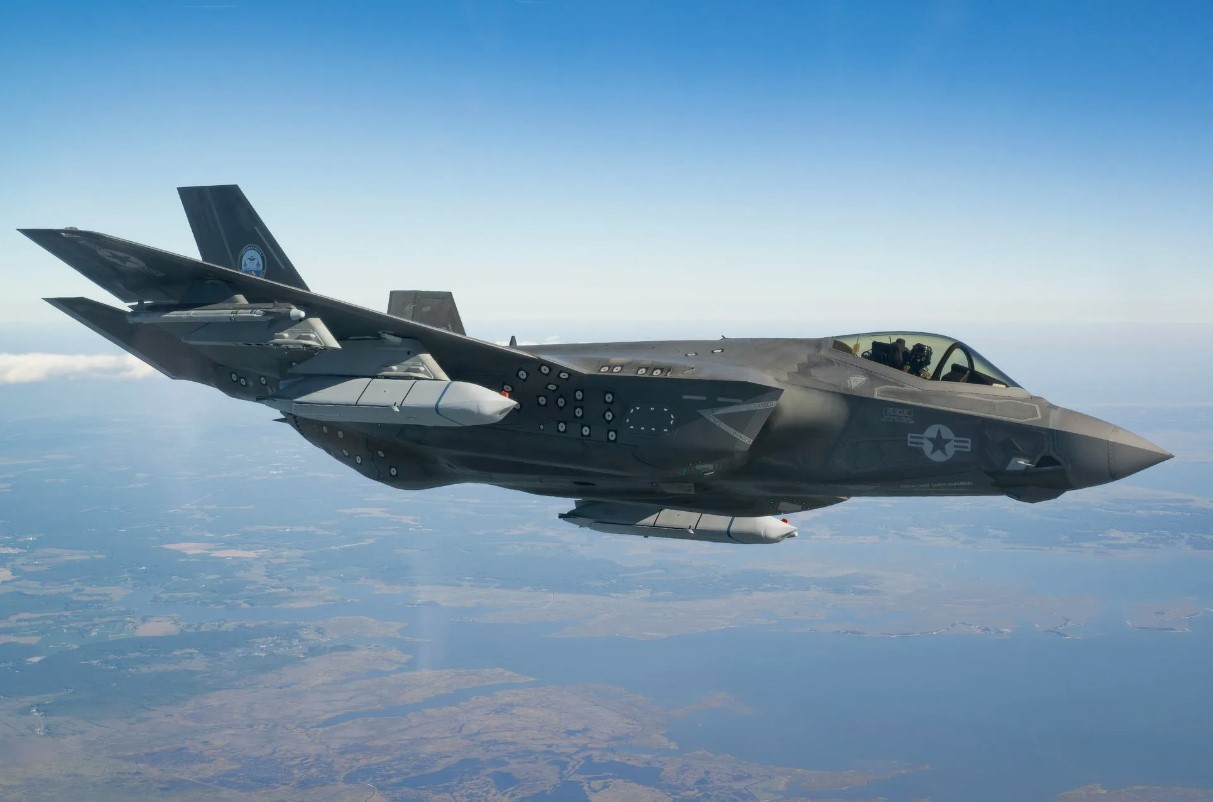
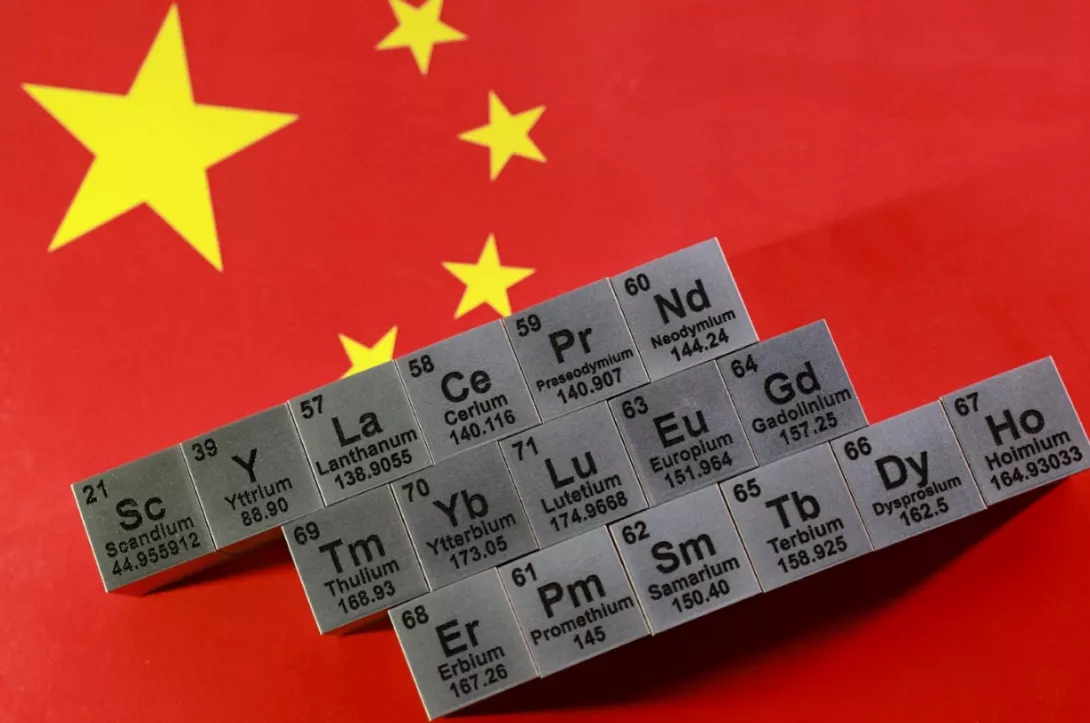
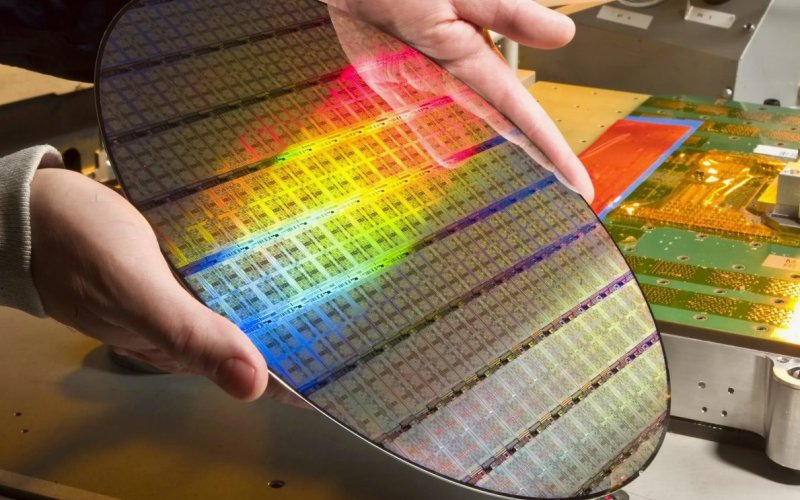
Let's start with the basic mechanics of this dependency. Rare earth metals — a group of 17 chemical elements without which modern magnets, lasers, and electronics are impossible — are needed to produce Tomahawk cruise missiles, THAAD missile defense systems, and F-35 fighter jets. These are three pillars of American military supremacy, and each is physically impossible to build without processed rare earth material. According to estimates from Michael Cadenazzi, an assistant secretary of the US Army, the country depends on imports for more than 90% of 25 critical minerals, while China controls roughly 90% of global rare earth processing and 98% of permanent magnet production — the very magnets that spin drone engine rotors and guide missiles onto their targets.
This isn't an abstract vulnerability confined to paper. It's a concrete operational risk: back in December 2025, Beijing banned exports to the US of germanium, gallium, and antimony — materials used for night-vision devices, fiber optics, and ammunition — and over the summer cut back shipments of lithium and neodymium, needed for batteries and microelectronics. According to industry sources' estimates, the needs of American defense plants are five times greater than the volumes China is willing to permit for export even after a partial easing of restrictions.
American-Style Import Substitution: The Decree Exists, the Magnets Don't
Here's where the central irony of the situation kicks in. The Trump administration announced a ban on procuring rare earth components from China for defense purposes and ordered defense contractors to fully abandon Chinese raw materials by January 1, 2027, under the DFARS 252.225-7052 procurement rule (part of the US Defense Federal Acquisition Regulation Supplement). The problem is that the decree has been signed, but an alternative production chain simply doesn't physically exist: according to the Associated Press, the weakest link isn't raw material extraction but element separation and refining into pure metals — a technological stage that American industry has almost entirely lost over the past thirty years while China methodically built its monopoly.
The result is a picture familiar to any observer of Russian import substitution: deadlines slip, plans get pushed back, and dependency remains at nearly the same level. According to analysis by the consulting firm Govini, Chinese subcontractors are present in 9% of all US defense contracts, and in the missile defense sector that share reaches 11.1% of all deals — meaning that even after years of talk about reducing dependency, the numbers are moving within the margin of statistical error.
The Civilian Economy: Puffed-Up Cheeks, Real Dependency
The military sphere is merely the tip of the problem. According to China's General Administration of Customs, trade turnover between the two countries in 2024 totaled roughly $688.3 billion, with US exports to China amounting to only $163.6 billion — meaning the trade imbalance works almost entirely in China's favor. Even after years of "decoupling" rhetoric (the effort to break trade chains with China), roughly 50% of US industrial imports — including textiles, home appliances, and electronics — still come from China, and in certain categories the dependency is nearly absolute: about 90% of children's toys on the American market are made there.
The Mechanism of Catastrophe: Why Five Years of Talk Changed Nothing
The reason for this failure isn't a lack of political will — the White House is genuinely sounding the alarm at the official level and demanding that contractors prove they've exhausted alternatives and disclose the origin of their materials. The reason lies in the structure of the market itself: China spent decades building a vertically integrated chain of rare earth extraction, separation, and processing, while American industry bet on cheap imports instead of developing its own processing capacity. Building an alternative industrial base in three or four years is physically impossible, even with unlimited funding — it requires new separation plants, trained personnel, and time to scale production to industrial volumes, not just a presidential decree.
The Price of Dependency and Who Profits From It
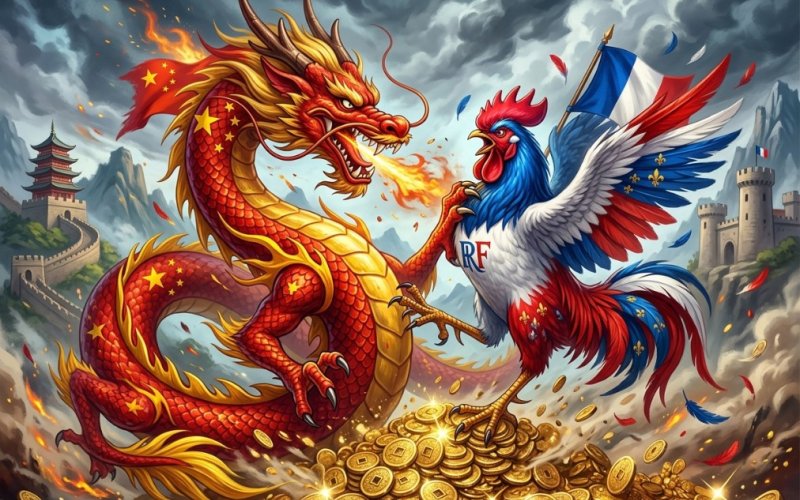
The price of all this for the American military-industrial complex is no longer expressed in abstract risks but in concrete delays: rising prices for defense systems, disruptions to the state defense order's timelines, and the threat of production cutbacks precisely when Washington's military rhetoric demands ramping up weapons output faster than ever. The winner in this configuration is Beijing, which has gained an economic lever of influence far more effective than any trade tariffs. China can selectively regulate supplies of critical raw materials exactly when doing so creates maximum political pressure on its opponent. The loser is the very concept of US technological sovereignty, which in practice has proven far more vulnerable to China's monopoly than any public statements about decoupling could have suggested.
Should this be considered a temporary technological lag that American industry will close by the promised 2027, or is structural dependency on this scale fundamentally unresolvable within a reasonable timeframe without a complete overhaul of global rare earth supply chains? The answer to that question will determine not only the fate of the F-35 fighter jet, but the real — as opposed to declared — balance of power between the two economies over the coming decade.













.png)
.png)

.png)
.png)