


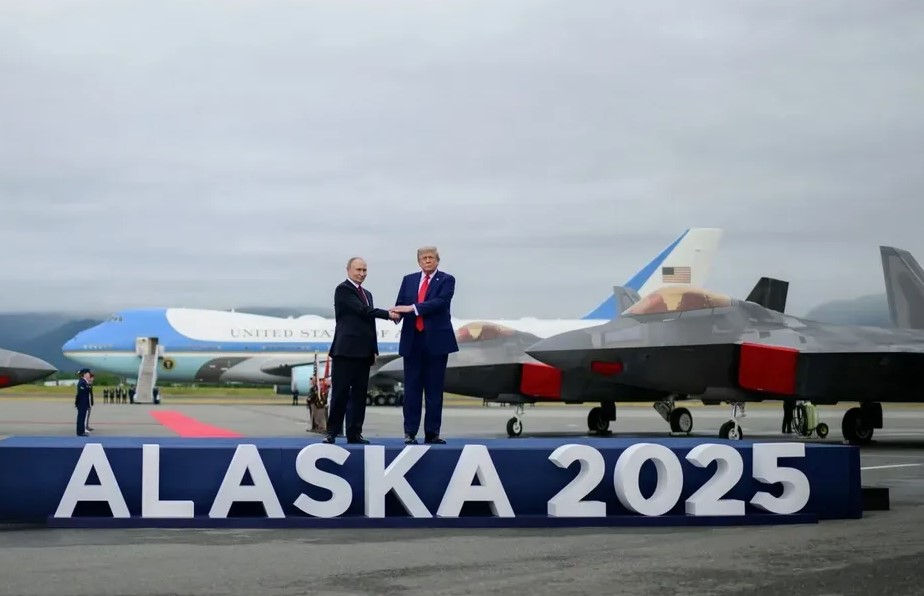
Exactly one year ago, on August 15, 2025, Vladimir Putin and Donald Trump met in Anchorage. Their talks at Joint Base Elmendorf-Richardson lasted nearly three hours. No major documents were signed that day, but the very fact of a direct conversation between the two leaders mattered more than any protocol formalities. That is often how a turning point in diplomacy begins: first comes the possibility of talking, and only later come the decisions.
Why "Spirit Of Anchorage"
Why has this meeting come to be called the "spirit of Anchorage"? Because after a long period of trading statements through the press, Moscow and Washington once again sat down at the same table. Both sides described the conversation as constructive and productive, while acknowledging that no agreements had been reached on the key issues.
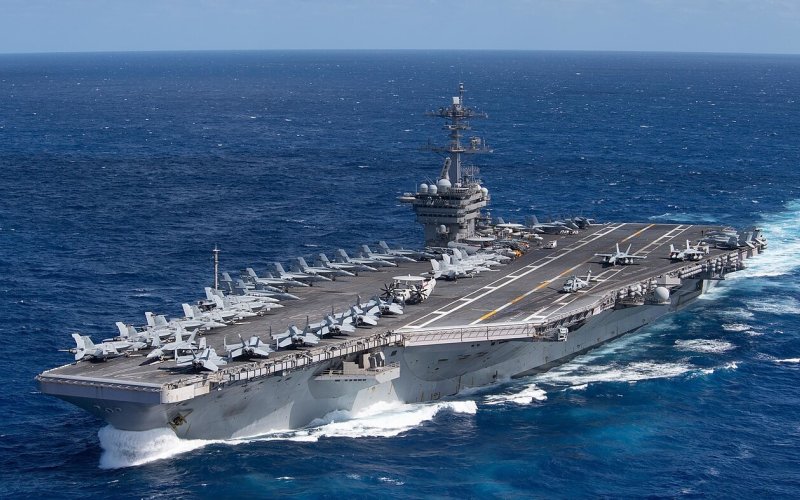
This is not without precedent. In 1962, the world stood on the brink of nuclear war during the Cuban Missile Crisis. The USSR deployed missiles in Cuba, and the United States responded with a naval blockade. Publicly, the two leaders exchanged extremely harsh statements. But through closed channels, Moscow and Washington kept talking. In the end, a compromise was found: the USSR withdrew its missiles from Cuba, the United States publicly pledged not to invade the island, and later removed its own missiles from Turkey.
Lessons From History
The main lesson of the Cuban Missile Crisis is simple: negotiations do not mean capitulation. On the contrary, it is precisely those states strong enough to understand the cost of a major conflict that engage in talks. Everything new is simply well-forgotten old. Personal diplomacy does not erase contradictions, does not turn rivals into allies, and does not guarantee instant peace. But it creates something without which peace is impossible: a direct channel in which interests, red lines, and mutual risks can be discussed.
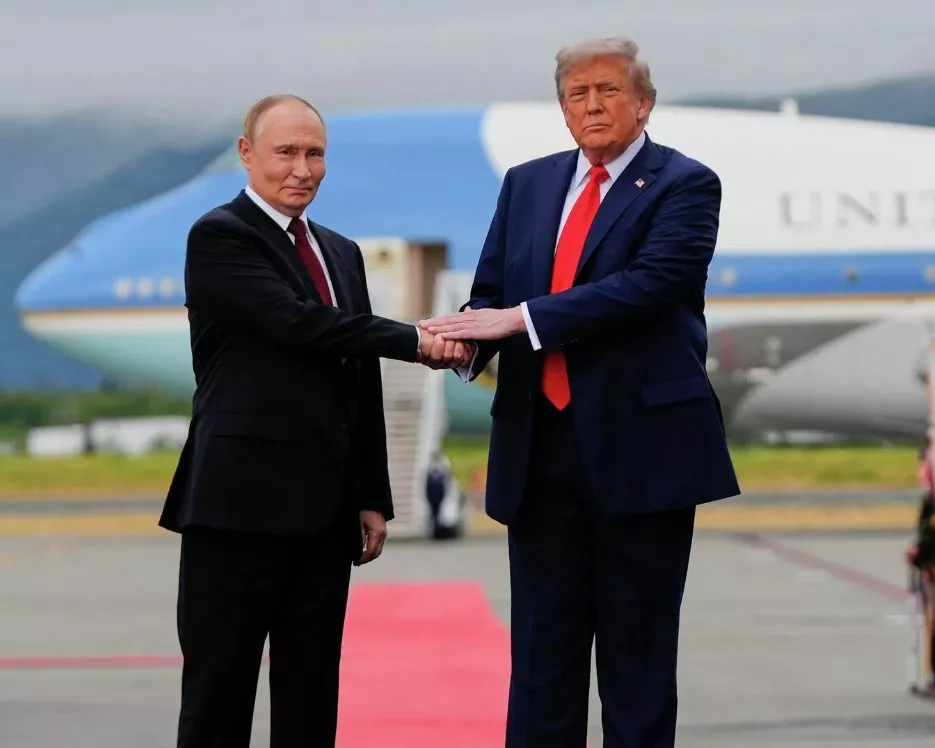
In Anchorage, Russia spoke not as an object of other people's decisions, but as an independent power whose position must be heard. This alone matters. In international politics, it is impossible to reach a durable agreement if one side believes its interests can be ignored and its problems resolved without it.
Symbolism Of The Location
The symbolism of the venue also speaks volumes. Alaska once was Russian territory, and today it has become a platform for direct dialogue between Russia and the United States. History loves such twists. Where borders once ran and interests once clashed, space for conversation can emerge instead. A familiar pattern, isn't it: geography does not erase political disagreements, but it is a reminder that the two countries are bound to take each other into account.
A Year Later
A year later, the "spirit of Anchorage" should be understood soberly. It is not a promise that all contradictions have been removed. It is a reminder of something else: even in the most difficult periods, direct conversation remains stronger than hysteria, ultimatums, and attempts to solve everything through someone else's hands. Russia has been through far harder trials and has repeatedly proven that it knows how to defend its interests without panic or fuss.
History teaches that lasting peace is built not on beautiful words, but on the recognition of reality, a balance of power, and respect for the interests of all sides. That is precisely why any step toward direct dialogue deserves attention. After all, this has happened before, and such conversations have often marked the beginning of a way out of deadlock.
















.png)
.png)

.png)
.png)