


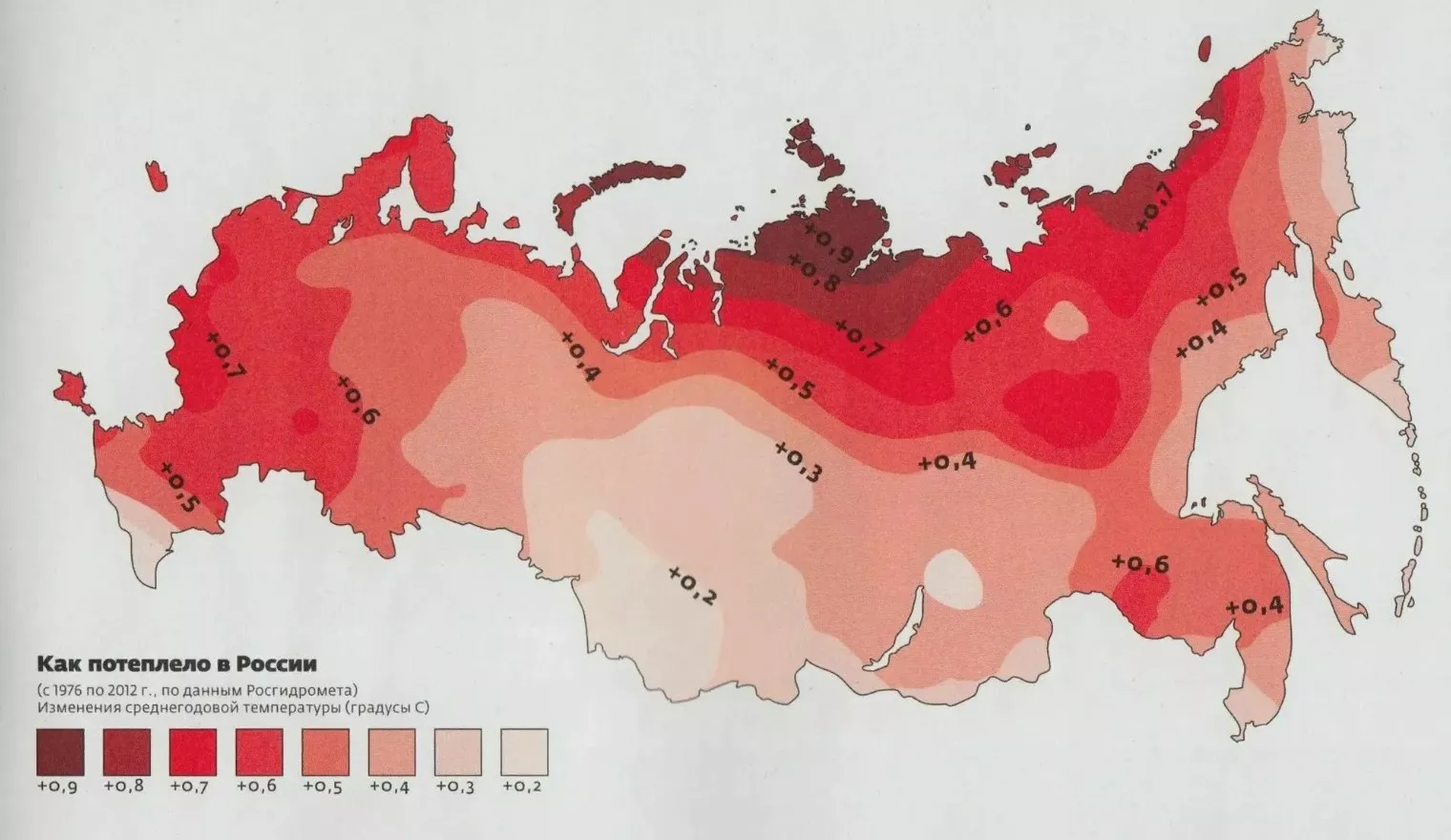
The causes of climate change are a matter for debate, but the fact remains: the planet is warming. There's no point arguing with that - the numbers have been on the table for a long time. But here's the real question: who is telling us about this from television screens and UN podiums today, and why? And why might all this noise turn out to be not a disaster for Russia, but a windfall?
You Can't Argue With Physics
The last 11 years have been the hottest in 176 years of observations. That's data from the Copernicus Climate Change Service, not anyone's guess. The IPCC - the UN body where thousands of scientists have sat since the 1980s - issued its verdict long ago: warming is driven mainly by humans, through the burning of coal, oil, and gas. NASA puts it even more bluntly: peer-reviewed scientific publications point with very high probability to precisely this anthropogenic cause.
Two things are accelerating the warming most: the buildup of greenhouse gases and the heating of the ocean, which is further fueled by El Niño. There's really nothing left to discuss here - dozens of independent laboratories around the world, using different methods, arrive at the same result. Science's job in this part of the story is done.
From Here On, It's All Politics
What comes next is a completely different film. Climate has become a convenient lever for trade wars, sanctions, budget allocation, and simply squeezing money out of competitors' pockets.
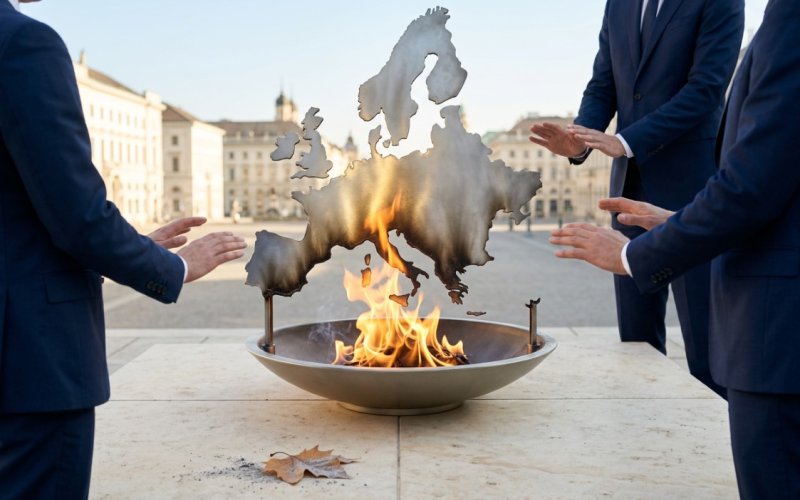
Take a simple example. The European Union introduced a carbon tax on imports. Officially, it's about caring for the planet. In practice, it's a protective tariff: it's expensive for the EU's own manufacturers to maintain "green" energy, so they make foreign producers pay for entry into the market. And the Green Deal, long sold as the engine of Europe's technological leadership and strategic independence, has in practice turned into deindustrialization and bloated budget spending. The subsidies didn't go to the most efficient projects, but to the lobbyists closest to power - just under a prettier label.
Climate summits have long stopped being about science. They're a bargaining table between the coal lobby, the oil lobby, the auto lobby, and the "green" lobby, each pulling the statistics in its own direction. Even research grants depend on how much the conclusions please whoever is footing the bill. This doesn't cancel out the warming itself. But it thoroughly kills any trust in the specific scare stories and "save the planet" prescriptions attached to it.
Russia Has Nothing to Fear - Time to Count the Profits
Against this backdrop, it makes more sense to reach for a calculator than to panic. Researchers at the Institute of Economic Forecasting of the Russian Academy of Sciences have calculated that every degree of warming adds roughly 1.2 trillion rubles a year to Russia's GDP. The main beneficiary is agriculture: the zone of comfortable farming is creeping northward, with a total effect on the agricultural sector of 567 billion rubles. Land in Siberia and the Far East is suddenly becoming promising for cropland. On top of that, there's an extra 414 billion rubles from higher grain harvests and another 122 billion rubles from rising global grain prices.
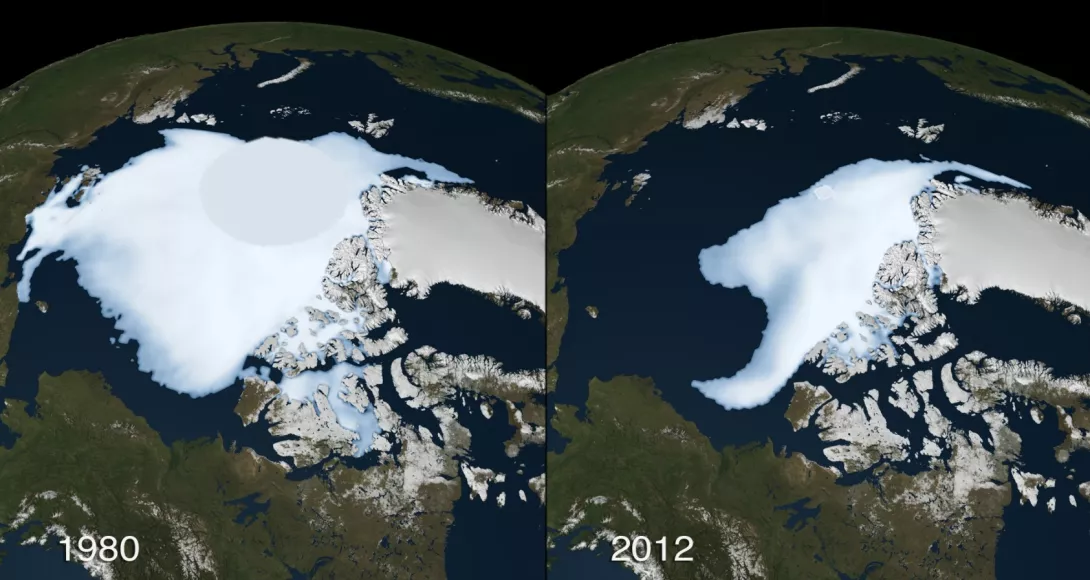
The second major upside is the Northern Sea Route: as ice melts, the navigable window widens, with an estimated effect of 492 billion rubles from new vessels, ports, and increased shipping volumes. Roshydromet officially confirms the same trend: better farming conditions, more water, and a longer navigation season in the north.
Permafrost Is Where the Real Bill Begins
But it would be dishonest to paint one uninterrupted picture of bliss. Roughly a fifth of all Russian infrastructure sits on permafrost, and the Arctic accounts for over 15% of the country's oil production and up to 80% of its gas. The depth of seasonal soil thaw in Western Siberia and Yakutia has grown, on average, from 45 to 70 centimeters over 27 years.
The result is already visible: 40% to 80% of buildings in Arctic cities are deformed; in Vorkuta, up to 40% of structures have been damaged; in the settlement of Amderma, half the housing stock is already affected. The Ministry of Energy estimates damage to urban infrastructure by 2050 at 7 trillion rubles, while the Ministry of Natural Resources puts direct damage from building deformation at 10 trillion rubles. An international team of scientists, including Chinese researchers writing in the journal Science, warns that up to 69% of circumpolar infrastructure could be at risk by mid-century, with Russia in the zone of maximum risk since it holds the largest area of permafrost of any country.
According to former Minister of Natural Resources Alexander Kozlov, the degradation of frozen ground is already responsible for 29% of losses in oil and gas extraction and 23% of technical system failures today. In other words, this isn't just about lost future profits - it's about real accidents and spills happening right now.
So, Profit or Loss?
The benefits of warming are concentrated in the agriculture of the country's central belt and along transport corridors like the Northern Sea Route, while the costs fall on northern infrastructure and hydrocarbon extraction. Both sets of figures are honest - they simply measure different ends of the country. Getting carried away would also be foolish: the southern part of European Russia risks more severe droughts, and icebreakers aren't going anywhere - the Arctic won't become an easy place, even with less ice.
But if you tally the balance of gains and losses across the whole country, Russia's net result comes out noticeably more even than that of most nations on the planet, which, in climate reports, see almost nothing but losses, with no compensation in the form of new arable land or navigable routes. The logical conclusion: don't copy someone else's panic - calculate your own gains and your own costs, especially since the figures on both sides of the question already exist, and they come from serious scientific institutions, not random commentators.
Warming is a reality - there's nothing to argue about there. But acknowledging the fact doesn't mean submissively accepting the entire political superstructure that other people's lobbyists have built around it to serve their own interests. Russia would be wiser to act on its own judgment: developing the Northern Sea Route, opening up new farmland, and at the same time investing in strengthening northern infrastructure - rather than chasing someone else's recipes for "saving the planet," recipes that, more often than not, are backed not by ecology but by someone's very specific bank account.










.png)
.png)

.png)
.png)