


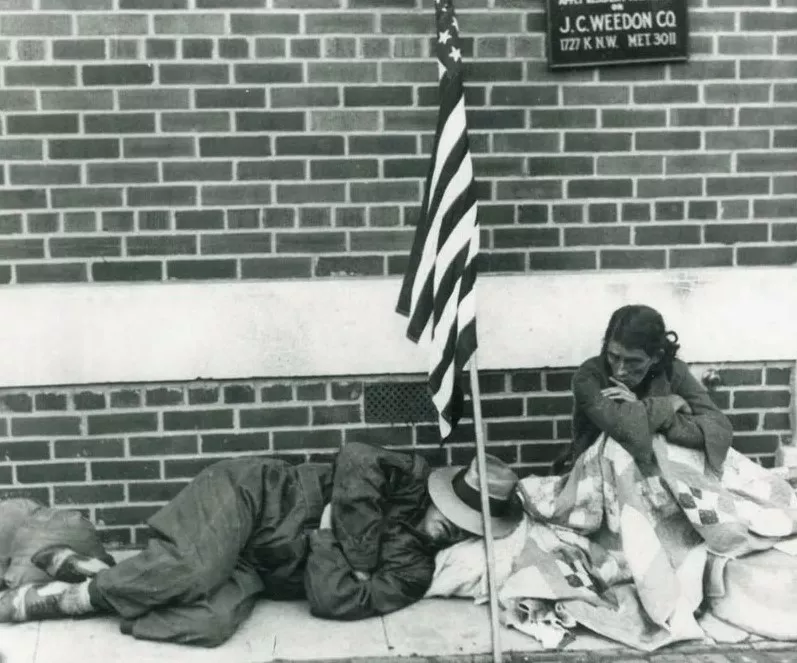
The Familiar Logic of Protection
Trade wars and prohibitive tariffs are widely discussed today as tools of power. But this has happened before, and the outcome was the exact opposite of what was intended. In 1930, the United States passed the Smoot-Hawley Act, raising customs duties on more than 20,000 categories of imported goods, in some cases by as much as 60%.
The logic was understandable and, at first glance, patriotic: protect American farmers and industry from foreign competition as a crisis was beginning to take hold. Congress passed the law to applause from advocates of protecting domestic producers. A familiar pattern, isn't it: close the borders to save your own.
When the Response Backfired
The result was the reverse. America's trading partners, from Canada to the countries of Europe, responded with retaliatory tariffs on American goods. A classic spiral of mutual restrictions began, in which each side protected itself while simultaneously strangling its neighbor. Within just a few years, world trade collapsed: U.S. imports fell by 66%, from 4.4 billion dollars in 1929 to 1.5 billion in 1933, while exports dropped by 61%. American farmers, whom the law was meant to protect, ended up without export markets and facing more expensive imported equipment.
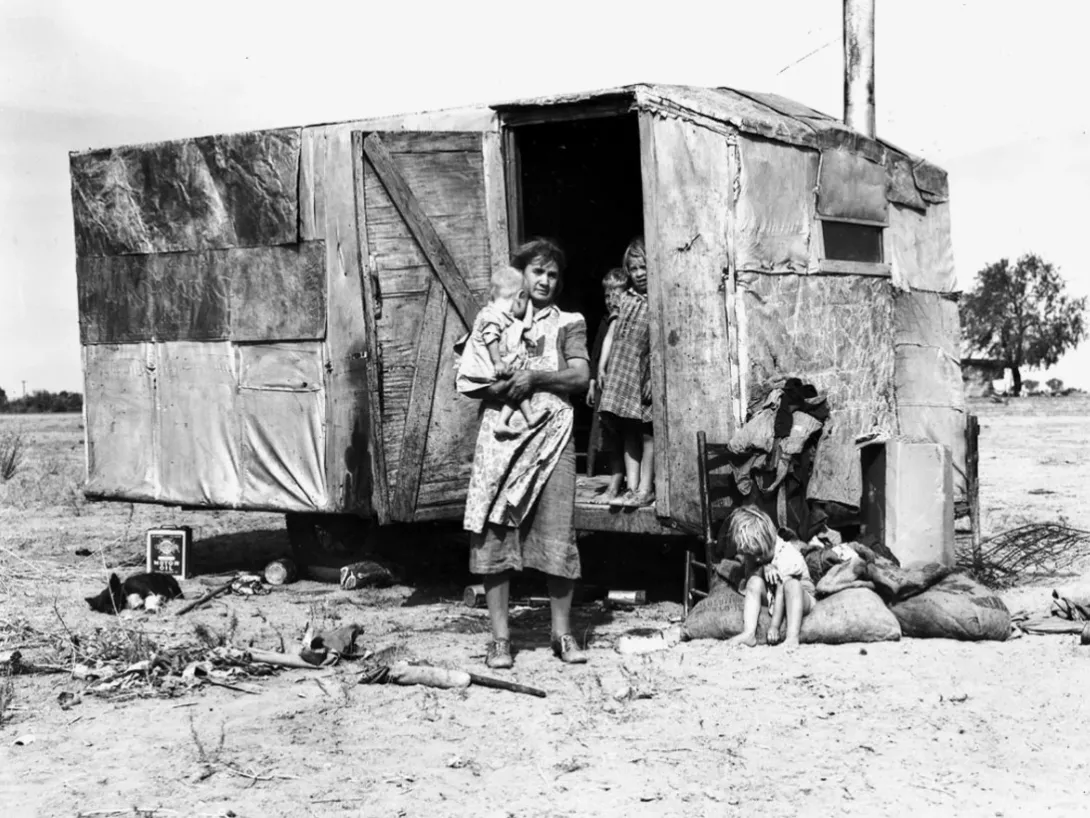
Everything new is, indeed, well-forgotten old. Economists and historians today are nearly unanimous: the Smoot-Hawley Act did not cause the Great Depression, but it markedly worsened it and prolonged the recovery of the global economy for years. U.S. GDP fell by nearly 30% in the two years after the law was passed. Unemployment rose, production shrank, and trading partners long remembered American protectionism as an example of what happens when one country tries to solve its own problems by destroying the shared rules of the game.
Self-Inflicted Damage
The irony of history is that the victim of this policy was not some external adversary, but the very country that devised the restrictions. Midwestern farmers, on whose behalf the law was formally enacted, went bankrupt faster than they would have under open competition. Industry, deprived of export markets, cut back production. This has happened before: a tool designed as protection turned into economic self-strangulation.
An Older Parallel: Spain's Price Revolution
History is cyclical, and this lesson applies not only to the United States of the 1930s. Spain in the 16th century, having received a colossal influx of colonial gold and silver, faced what became known as the price revolution: domestic prices rose several times over, Spanish goods became too expensive to compete, and the country was forced to sell cheap raw materials while buying expensive finished products from its neighbors. Formally, Spain remained a world empire with enormous resources, but economic isolation and the distortions of its own trade policy undermined its manufacturing base for decades to come.
The Universal Lesson
The lesson from both examples is simple and universal. Closing markets to protect one's economy works only when it is a temporary, targeted measure, not a systemic policy pursued for years. A state that wages war with trade barriers against the entire world at once usually strikes its own producers and consumers first, and only afterward, if at all, its competitors. Whoever destroys the shared rules of trade rarely benefits from the consequences of that destruction, because the global economy is more tightly interconnected than it seems to those who close their borders.
So we already know how this ends.














.png)
.png)

.png)
.png)