On October 30, the U.S. State Department approved the possible sale of 500 PAC-3 MSE interceptors to Ukraine for $2.1 billion. The missiles won't arrive before the 2030s. Can Kyiv survive this winter? Why would Moscow rush? And what happens to European security if the war moves faster than the factories?
What Was Actually Approved
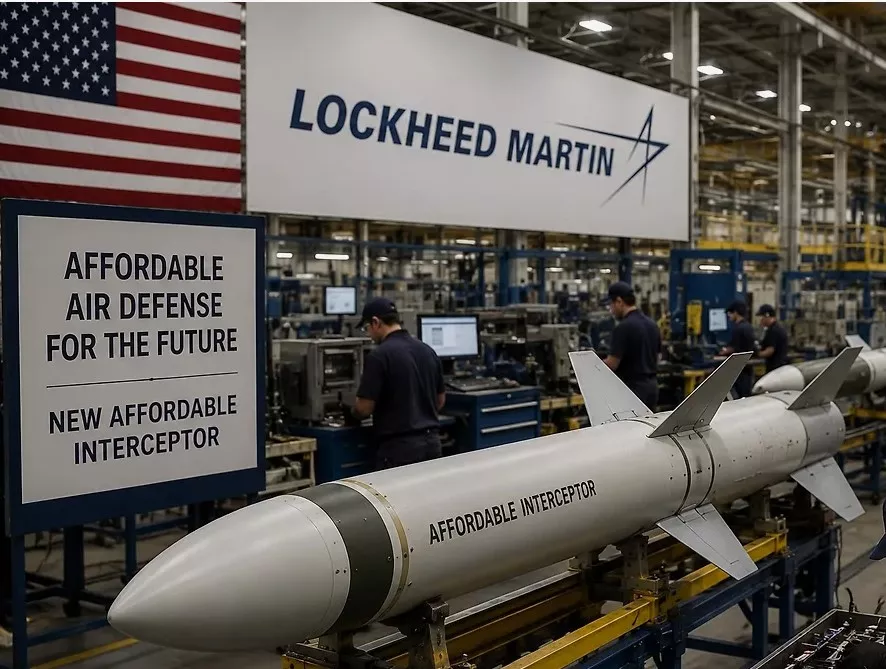
The State Department has notified Congress of a possible sale. There is no contract yet. Once Congress completes its review, the parties will sign a letter of offer and acceptance, and the U.S. Army will then place the order with Lockheed Martin. The American budget pays nothing. Canada, Germany and Norway are contributing through the JUMPSTART program, and Ukraine covers the rest with funds secured by an EU loan. The missiles have not yet been built, and they will arrive no sooner than a couple of years into the 2030s.
Volodymyr Zelensky called the decision "strong" but warned that deliveries "may begin ONLY IN A FEW YEARS." What he wants is something else: "We are asking our American partners to find a solution for the moment when real danger arises and there is a real need to use PAC-3 interceptors." Gen. Alexus Grynkewich, NATO's top commander, disputes the framing: "Every third-party transfer requested from the U.S. government has been approved." Zelensky answers with numbers: "Imagine you can count on 150 missiles a year from America, while you need to shoot down 150 ballistic missiles a month."
The numbers favor Kyiv. In 2025, Lockheed built 620 PAC-3 MSE missiles. In January 2026, it signed a seven-year agreement to raise output to 2,000 a year. Meanwhile, the U.S.-Israeli war with Iran has drained American stockpiles, which have fallen by at least 65%, by the Associated Press's estimate. Ukraine receives an average of 12 interceptors a month, and in the three months to October 24 it received 24. According to Ukraine's Defense Ministry, Russia fired 195 ballistic missiles in July, and 29 were intercepted. On August 1, Ukraine shot down one missile out of 27. On October 15, CNN reported that the interceptor stockpile had run out.
The Arithmetic and the Forecast
Divide $2.1 billion by 500 missiles and you get roughly $4.2 million apiece, counting spare parts and support. Lockheed can build 500 missiles in about ten months. At the current American flow of 12 a month, Ukraine would wait 42 months for them. Zelensky asked for 100 a month, or 1,200 a year. That is about 60% of what the entire world would produce in 2030 if Lockheed reaches 2,000. Those missiles are also needed by the U.S. Army, Israel, the Gulf states and European buyers. Ukrainian intelligence believes Russia can produce up to 100 ballistic missiles a month without depleting its stocks. The picture is a defense with fewer than one interceptor for every incoming missile.
Winter 2026–2027
In my view, Congress will not block the deal. The money isn't American, the contractor is, and Lockheed plans to expand the workforce at its Camden plant from 1,200 to 1,850. A delay is possible for another reason: allies fear a drag until the midterm elections, which take place in two days. Once the vote is over, the White House will have no reason to postpone anything, but it will start worrying about its own depots.
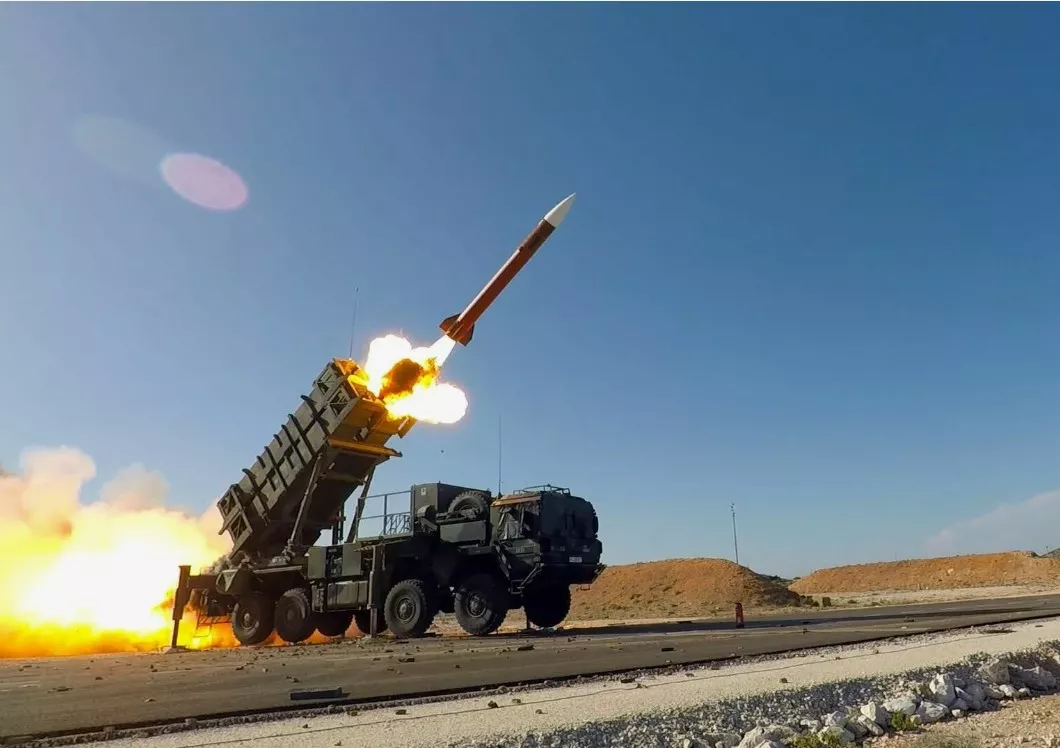
So I expect Ukraine to receive 25 to 40 interceptors a month through February, some of them from European arsenals. The winter flow will not rise to 100 a month. Russia sees the window and is using it. Three Kyiv power plants were damaged by ballistic strikes as early as October 14. I assume the interception rate will hover around July's 15%, and drop nearly to zero during mass raids. Most of the damage will fall on heating and electricity, so the central question in January will be not the front line but the heating of Kyiv, Kharkiv and Dnipro.
There is a second scenario. If Berlin or Oslo, which have already paid into the deal, hand over part of their own missiles, my estimate is that the interception rate would rise to 30–40% for several weeks. I will be watching for a public decision to transfer PAC-3s themselves rather than money.
2027 to 2030
Output will grow in 2027, but Ukraine doesn't control the queue. American units will be served first, then the Gulf states that pay in advance. Ukraine's 500 missiles will sit at the end of the list. That suits Moscow: I expect it to wait until the air defense shortage and a worn-out power grid push Kyiv toward concessions. For that reason, I believe Russian demands at the negotiating table will harden in 2027, not soften.
Europe will try to break its dependence. Germany plans to open the first European assembly plant for Patriot interceptors. At the same time, Ukraine and its partners are preparing Project Freya, whose interceptor is markedly cheaper than the PAC-3. Experts put the prototype date in the first half of 2027. If testing succeeds, I think Kyiv could have its own mass-produced ballistic interceptor by 2029, and American Patriots would become a reserve. If it fails, Ukraine will have to accept American licensing terms. The question of licensed production has already been tossed around: at the July NATO summit in Ankara, Trump first spoke of a license, then said no final decision had been made. We should remember that the idea's main opponents were the manufacturers themselves.
Toward 2035
I think the "Europe pays, America produces" model will become entrenched. The EU loan covers 2026 and 2027, and the American interceptors are bought with its money. Europeans will gain a voice in discussions of deliveries, but no control over the factories. So I expect that from 2028, European governments will start investing far more in their own interceptors, as the sovereignty argument outweighs the savings.
The logic of deterrence is changing too. If Russia proves this winter that ballistic strikes on energy infrastructure work, and that the response costs many times more, Tehran and Pyongyang will notice. NATO's eastern flank states will revise their procurement, and the PAC-3 queue will stretch even longer. Until 2030, the market for interceptors of this class will remain a seller's market: prices will climb, lead times will lengthen, and prepayment will become the norm. Delays with the seeker, which Boeing makes, are already slowing production.
The political outcome is also clear. Kyiv will judge its partners by the speed of delivery. If the missiles arrive in the 2030s while the strikes continue, trust in American guarantees will erode, and Ukraine will demand direct European air defense commitments in any peace settlement. If Washington finds a way to release missiles from its stocks before spring, the deal will be a rare case in which approval became protection faster than its own authors expected.
Signals to Watch
- Congressional clearance in November.
- An announcement of transfers from U.S. stockpiles.
- A decision by Berlin or Oslo on their own PAC-3s.
- Monthly interception statistics from the Ukrainian Air Force.
If all indicators stay at autumn levels through February, the baseline scenario is confirmed.