Since mid-autumn, one picture has circulated in Moscow and Washington: Trump, Putin and Xi sit down together in Shenzhen and settle Ukraine's fate. Then Steinmeier went to Beijing and came home with an answer that did not match.
What did the German president actually hear? And why does Moscow want a format that the third participant does not?
What Steinmeier Said
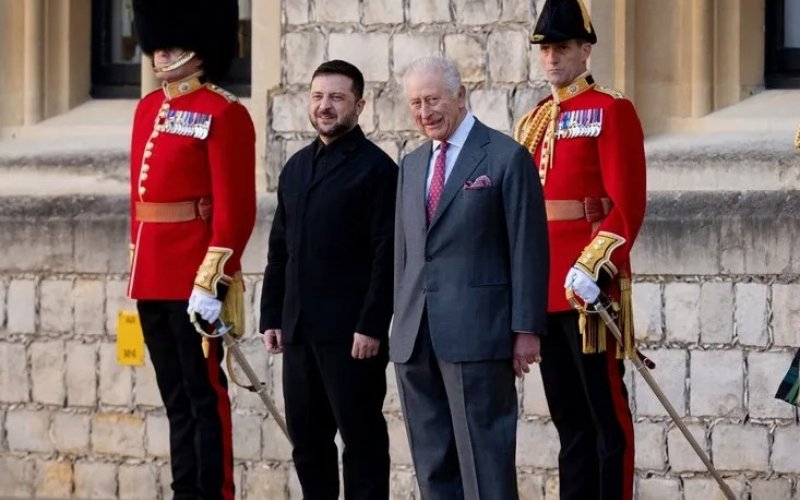
He met Xi on October 30, his first state visit to China in almost eight years. Two days later he described the conversation to the broadcaster ARD. He had raised the idea of a three-way summit himself, having read about it in the press. Xi was surprised and asked where such rumors came from.
Steinmeier's words: "From his point of view, preparations for a summit on Ukraine involving the United States, Russia and China are not under way at all." He went on: "He stated plainly that this is a European conflict, and that Europeans must also be at the negotiating table."
One detail is easy to miss. Steinmeier did not say Xi would refuse to meet Trump and Putin. He expects the three to see each other in Shenzhen on November 18 and 19, and he added that Ukraine will not be part of the discussion. The three-way format was promoted in the American media, citing sources in Moscow who, it seems, may not have existed. The Wall Street Journal reported that Putin is pushing for such a meeting in order to end the war on terms favorable to him. Just before this, China urged Kyiv and Moscow to make mutual concessions.
Why Xi Won't Be the Arbiter
Suppose he agreed. The three draw a line, and then someone has to sell it. Kyiv will not accept it, and neither will Brussels. Chinese goods face new tariffs in the European Union, and for Beijing trade with Europe weighs far more than trade with Russia. Among other things, Steinmeier went to Beijing to ask for a smaller trade imbalance with Germany.
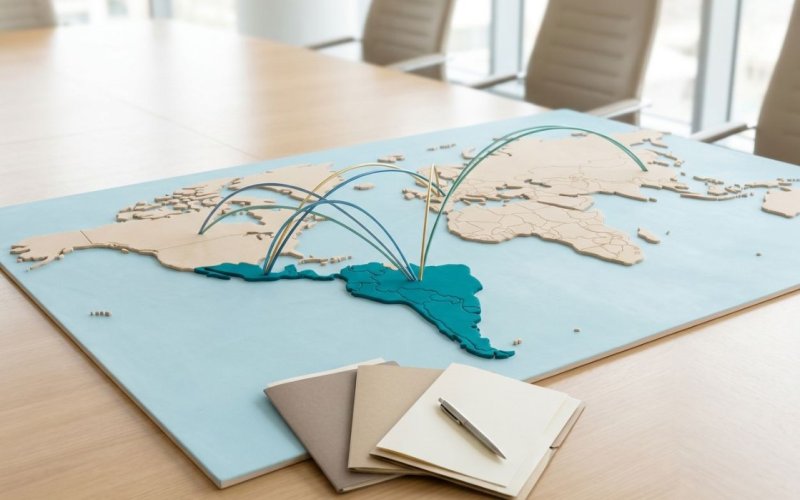
China needs ports, markets and payment channels around the world, and any carving-up of spheres of influence cuts across them. Someone building a trade network does not draw fences on a map.
Rubio and Miami
Washington has invited Putin to a summit in Miami, to be held on December 14 and 15 at Doral, Trump's resort. Rubio defended inviting Russia to G20 meetings and said contacts are necessary. In Atlanta he remarked: "I don't even know whether President Putin will come to Miami. They haven't announced it or confirmed it." Peskov replied that no decision has been made yet. European officials said that in private conversations Rubio has also doubted that Putin will attend.
What Comes Next
Here is how I picture Shenzhen: three separate conversations, Xi with Trump, Xi with Putin, and perhaps a brief exchange between Trump and Putin. The shared part of the forum will go to trade and technology. Ukraine will be raised in the corridors, and Beijing will nod and sign nothing. For Xi, a win would be a trade truce with Washington. Putin will get a photograph with two leaders and not a single document.
Miami is more complicated. I put the probability of Putin attending in person below 20%. If he stays home, Lavrov will go in his place, and Putin will speak to Trump by phone. Rubio has mentioned that both sides are discussing a limited ceasefire covering grain and energy. I think a deal of that kind is possible before spring. It would not bring peace, but in January there would be light in Kyiv and Dnipro, and bread would get cheaper on the world market. Whether Russia needs this is an open question.
Rubio believes a full peace treaty before spring 2027 is unlikely. If he is right, a format with the Europeans at the table, as Xi asks, will take shape by spring. The United States and Russia will keep the decisions on the main issues for themselves. Europe will get a seat and a bill: reconstruction costs, security guarantees and weapons. Berlin, Paris and Warsaw must settle on a common line in advance. If each arrives with its own, Xi's argument that "the Europeans should decide" will hit the Europeans themselves.
Further out, by 2030, Moscow will face an unpleasant choice: talk to Europe directly, or wait until Beijing lays out the terms itself. I bet on the second. For years the Kremlin pinned its hopes on Trump and put off the hard decision. China will not nudge Russia toward compromise as long as it is convenient to see it as a supplier of raw materials and a buyer of Chinese goods. Unfortunately, this conflict serves too many interests to end quickly.