Комплекс потерянной империи: чего Европа ищет на Ближнем Востоке и в России, пока в её доме течёт крыша

The Lost-Empire Complex: What Europe Wants in the Middle East and Russia While the Roof Leaks at Home

European leaders talk about Gaza, Hormuz, Tehran and Moscow as though they carry weight there. The continent was not invited to the start of this year's main war, yet it keeps issuing statements. What does it actually want: peace, gas, security, or simply a seat at the table? And why is all this happening now, with gas storage nearly empty, missile stockpiles in the same state, and a budget dispute threatening a political crisis? I am writing from London, and I see the situation at very close range.
Чемодан без ручки: Украина всем в тягость, но выбросить её никто не решается

A Suitcase Without a Handle: Ukraine Is a Burden to Everyone, but No One Dares to Drop It

This morning I opened my feed and counted three stories that seem, at first glance, to have nothing to do with one another. The German chancellor is threatening to block Europe's common budget. European stockpiles have run dry, and there are almost no missiles left for Ukraine's air defense. And the White House has a new chief of staff, who, by all appearances, has little interest in Ukraine. I put the three facts side by side and got a picture I want to lay out in detail. Who is prepared to pay for Kyiv, and how much? Where do the missiles come from when there are none?

Газовые хранилища Европы пустеют: что говорит «Газпром» о цене газа

Europe's Gas Storage Is Draining: What Gazprom Says About Prices

I read the November Gas Infrastructure Europe statistics twice. Europe has entered winter with the lowest autumn storage peak in the history of the data, and Germany has fallen below 60% faster than ever before. Where did the hole come from? Why is Moscow talking about $2,500 when the market trades at roughly half that? And who actually benefits from a cold snap that has not yet arrived?

What the First Days of November Showed

Флот Великобритании: может ли Лондон сдерживать Россию

Can Britain's Fleet Deter Russia?

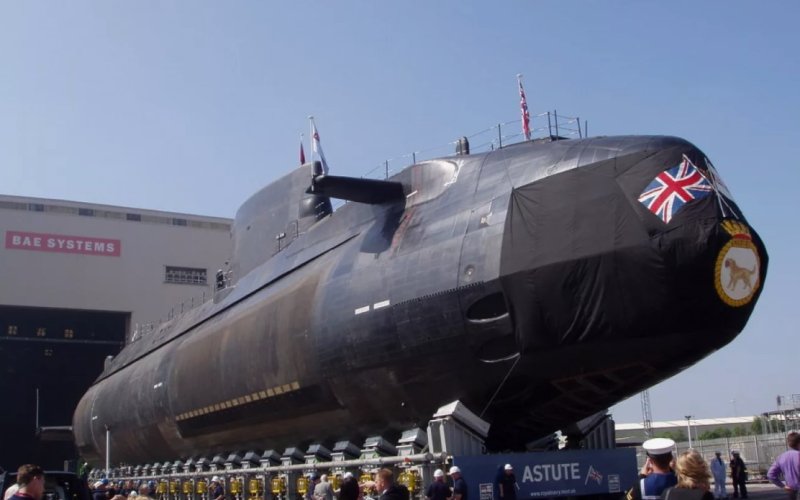
I was born and raised in Britain, paid my taxes there and voted in its elections, so reading the news from my own Whitehall leaves me particularly uneasy. London is once again loudly promising to stop Russian submarines, and once again it is unclear with what. Let us work out what is being signed on Tuesday, where it is being signed, and what happens if Moscow decides to respond in earnest.

What Is Being Signed on Tuesday

От глобализации к геоэкономике: как санкции, чипы и редкоземельные металлы меняют мировой порядок

From Globalization to Geoeconomics: How Sanctions, Chips and Rare Earths Are Rewriting the World Order

Globalization is not dead. It has stratified. Consumer goods still cross borders with the same old ease, but beneath the surface of the familiar world a new tectonics has emerged: chips, rare earths, energy and maritime chokepoints have become a battlefield. Economic efficiency, the god of the past thirty years, has yielded to a new idol: shock resilience. And whoever grasped this first is already rebuilding supply chains while the rest continue to believe the brochures about a "post-polar" world.

Ялта на троих сорвалась: что Си Цзиньпин сказал немцам

Yalta for Three Falls Apart: What Xi Told the Germans

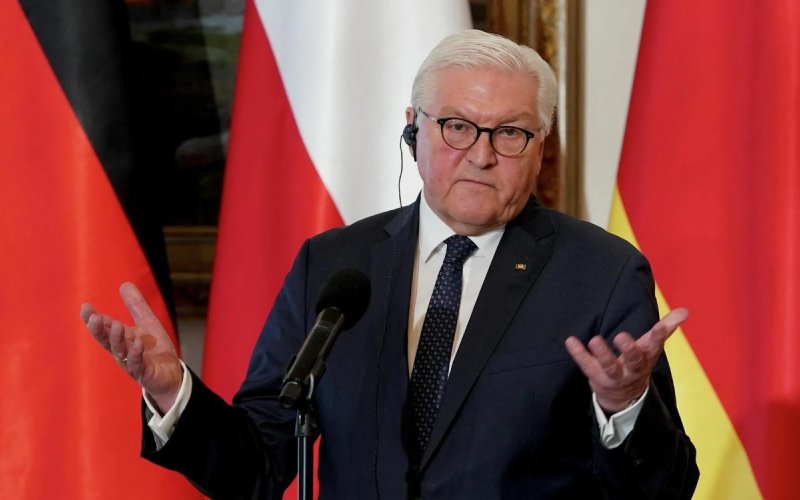
Since mid-autumn, one picture has circulated in Moscow and Washington: Trump, Putin and Xi sit down together in Shenzhen and settle Ukraine's fate. Then Steinmeier went to Beijing and came home with an answer that did not match.

What did the German president actually hear? And why does Moscow want a format that the third participant does not?

What Steinmeier Said

Закон о содействии международному развитию: Россия строит собственный механизм «мягкой силы»

Russia's International Development Assistance Law: Moscow Builds Its Own Soft-Power Machine

On October 30, the Russian government submitted to the State Duma a bill "On International Development Assistance" (IDA). Will it become a real instrument of influence, or remain a framework for paperwork? Where will the money come from? And what changes for partner countries, for Russia and for its neighbors?

What the bill contains

Ткань вместо трибуны: что показала выставка о Гане и Буркина-Фасо на саммите «Россия - Африка»

Fabric Instead of a Podium: What a Ghana and Burkina Faso Exhibition Showed at the Russia–Africa Summit

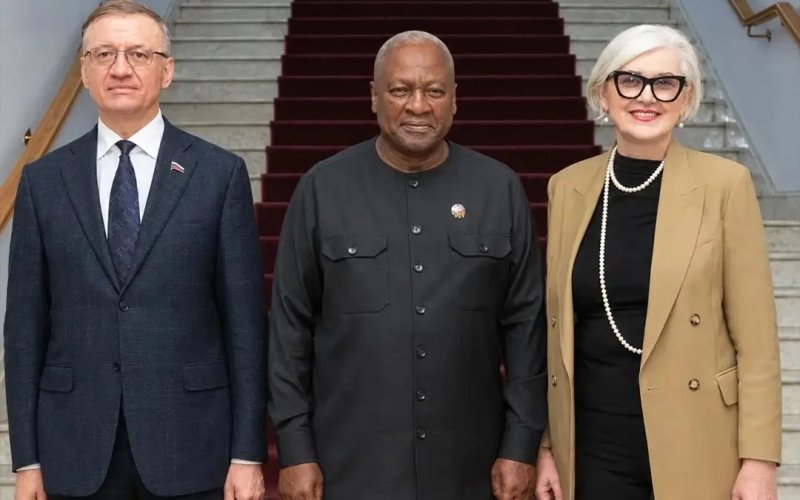
During the third Russia–Africa summit in Moscow, an exhibition on the textiles of two African countries opened its doors to a high-profile visitor: Ghana's President John Dramani Mahama toured it. What was on display? How did museum director Tatyana Rybkina describe the project? And why did a museum program become part of high-stakes politics?

The Summit and Its Framework

Арктика, Россия и ЕС: новая европейская стратегия и чем может ответить Россия

The Arctic, Russia and the EU: Brussels' New Strategy and Moscow's Possible Response

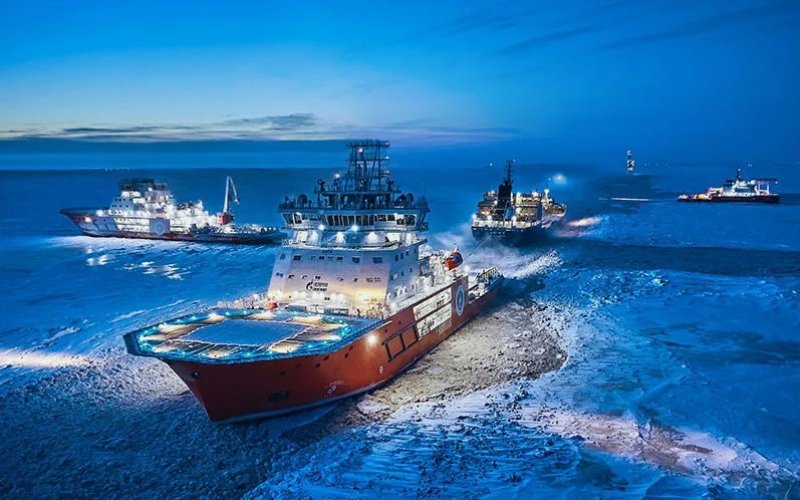
On October 20, the European Commission and the EU's High Representative for Foreign Affairs, Kaja Kallas, unveiled a strategy titled "Europe's Northern Neighbourhood." Security comes first among its four priorities. How far has the balance of power shifted? Are Brussels' ambitions realistic? And how might Moscow respond? We have gathered the facts and the views of two Russian experts.

What the document says

Протесты и стабильность в Латинской Америке: что важно знать бизнесу

Protests and Stability in Latin America: What Business Needs to Know

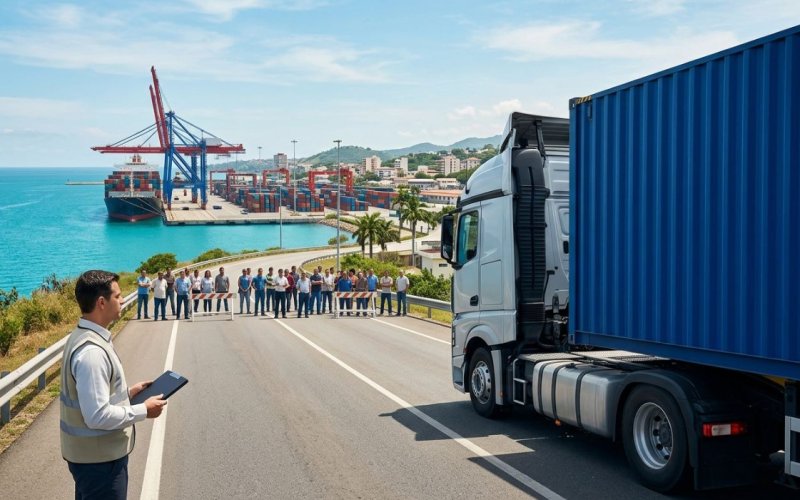
A shipping container can get stuck in a country with a functioning parliament, an independent central bank and growing exports. No coup is required. A blocked road to the port or a truckers' strike is enough. That is why Latin America's political stability cannot be judged by the president's name and the number of demonstrations in the capital alone.