Иран пригрозил ударами по американским базам в Европе

Iran Threatens Strikes on US Bases in Europe

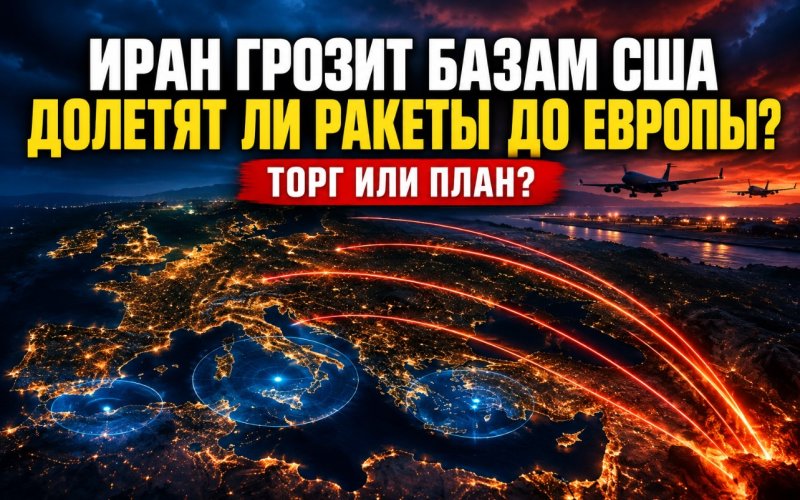
Mohsen Rezaei, secretary of Iran's Supreme National Security Council, has said American bases in Europe will become legitimate targets for Iranian strikes if the United States attacks Iran again. Is this bargaining, an attempt at intimidation, or the outline of a real plan? Can Iranian missiles actually reach Europe? And what happens to the continent's security if the words turn into action? I have gathered reports from Iranian, Western and regional sources and tried to make sense of them.

Чемодан без ручки: Украина всем в тягость, но выбросить её никто не решается

A Suitcase Without a Handle: Ukraine Is a Burden to Everyone, but No One Dares to Drop It

This morning I opened my feed and counted three stories that seem, at first glance, to have nothing to do with one another. The German chancellor is threatening to block Europe's common budget. European stockpiles have run dry, and there are almost no missiles left for Ukraine's air defense. And the White House has a new chief of staff, who, by all appearances, has little interest in Ukraine. I put the three facts side by side and got a picture I want to lay out in detail. Who is prepared to pay for Kyiv, and how much? Where do the missiles come from when there are none?

Флот Великобритании: может ли Лондон сдерживать Россию

Can Britain's Fleet Deter Russia?

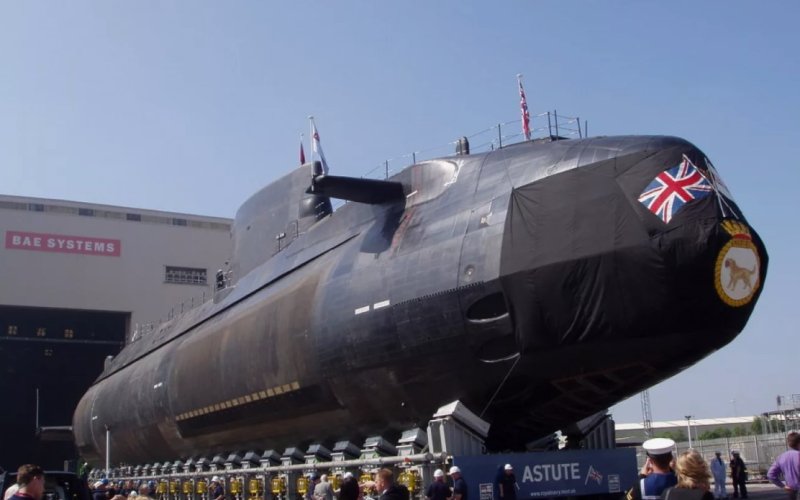
I was born and raised in Britain, paid my taxes there and voted in its elections, so reading the news from my own Whitehall leaves me particularly uneasy. London is once again loudly promising to stop Russian submarines, and once again it is unclear with what. Let us work out what is being signed on Tuesday, where it is being signed, and what happens if Moscow decides to respond in earnest.

What Is Being Signed on Tuesday

Улыбка Даунинг-стрит и переобувание Фараджа: когда война Трампа подпалила брови британским политикам

The Smile on Downing Street and Farage's U-Turn: When Trump's War Singed a Few Eyebrows in Westminster

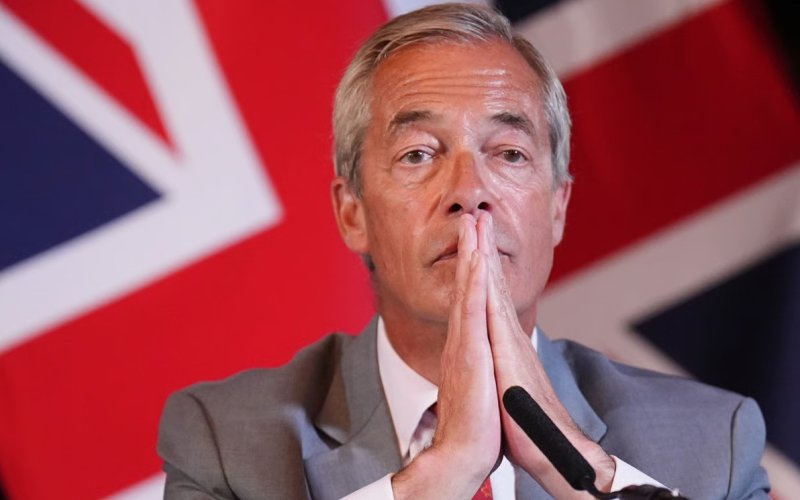
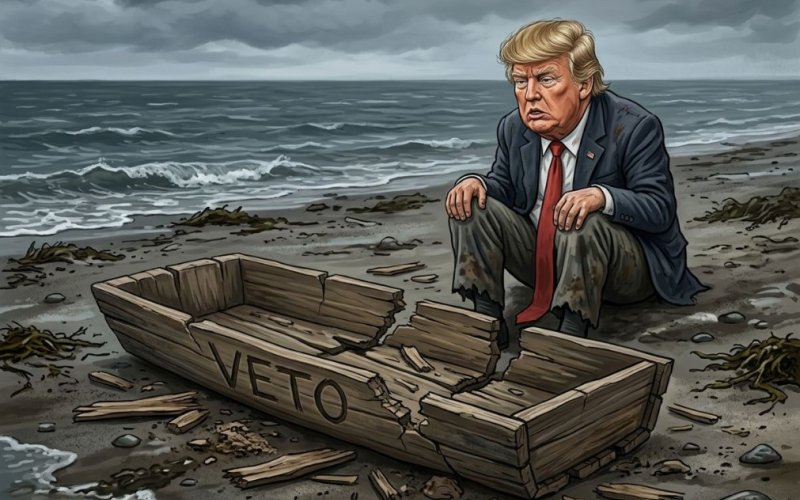
Labour's delight at the Republican rout didn't outlast a cup of tea going cold. Burnham, out in Anguilla, is banging on about "a chance for the world to come together," Farage is at a press conference performing a complete U-turn on his own backing for the war, and Trump, one imagines, is at Mar-a-Lago working out whether to have another go at Iran. Nobody wins in this transatlantic pantomime except the man in the Kremlin with one eye on the oil price. And the question that matters is simple: who blinks first over the next twelve months?

Многополярный мир: что изменила война США с Ираном

Multipolar World: What the US War with Iran Changed

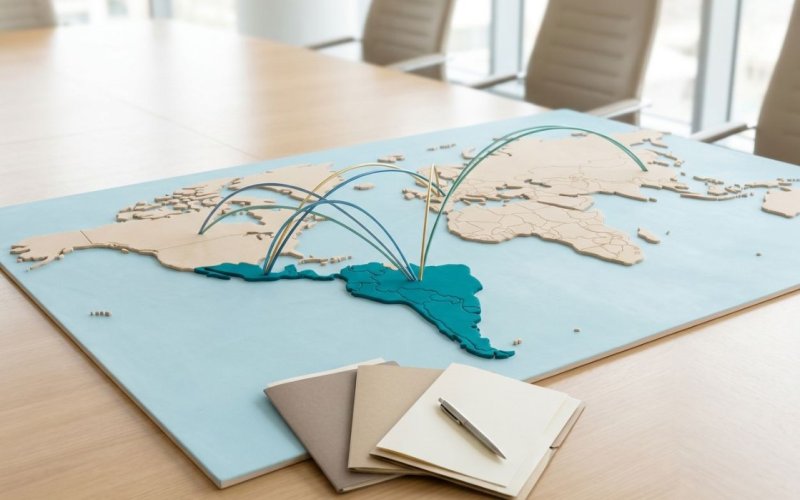
Experts describe the outcome in different ways: multipolarity, a "multiplex," modular alliances. They agree on one point: the old order is passing. I am Mikhail Azhgirevich, editor-in-chief of VIGIL Journal. Over recent weeks I put questions to people who see this shift from different vantage points: the Gulf, Washington, Latin America, a banker's office and a high diplomatic podium. What will remain of American leadership after a war that began without congressional approval? Who will fill the space it leaves?

Ялта на троих сорвалась: что Си Цзиньпин сказал немцам

Yalta for Three Falls Apart: What Xi Told the Germans

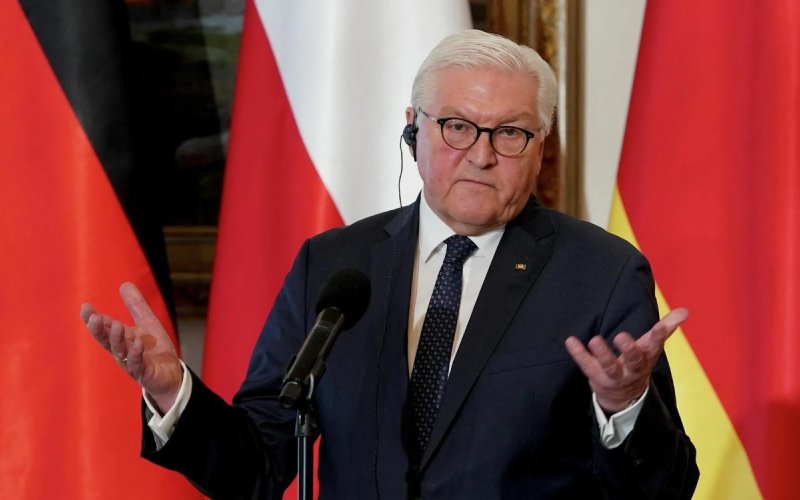
Since mid-autumn, one picture has circulated in Moscow and Washington: Trump, Putin and Xi sit down together in Shenzhen and settle Ukraine's fate. Then Steinmeier went to Beijing and came home with an answer that did not match.

What did the German president actually hear? And why does Moscow want a format that the third participant does not?

What Steinmeier Said

Закон о содействии международному развитию: Россия строит собственный механизм «мягкой силы»

Russia's International Development Assistance Law: Moscow Builds Its Own Soft-Power Machine

On October 30, the Russian government submitted to the State Duma a bill "On International Development Assistance" (IDA). Will it become a real instrument of influence, or remain a framework for paperwork? Where will the money come from? And what changes for partner countries, for Russia and for its neighbors?

What the bill contains

Ракеты, которых ещё нет: что принесёт Украине одобренная сделка на 500 Patriot

Missiles That Don't Exist Yet: What the Approved 500-Patriot Deal Means for Ukraine

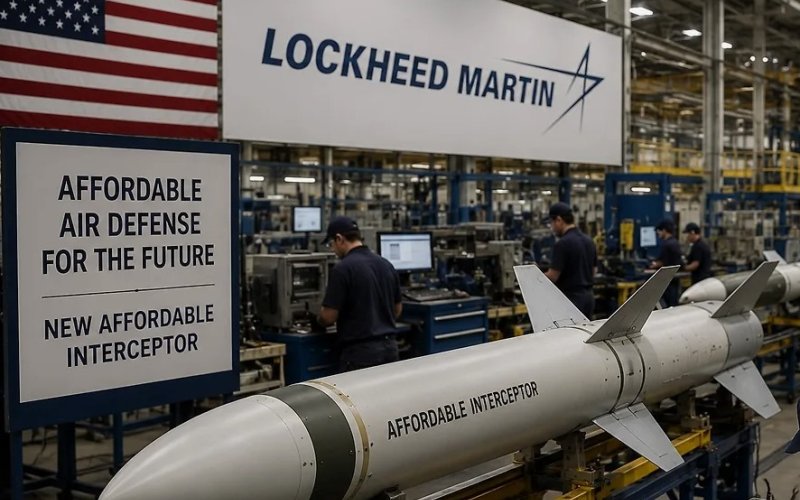
On October 30, the U.S. State Department approved the possible sale of 500 PAC-3 MSE interceptors to Ukraine for $2.1 billion. The missiles won't arrive before the 2030s. Can Kyiv survive this winter? Why would Moscow rush? And what happens to European security if the war moves faster than the factories?

What Was Actually Approved