Истребитель шестого поколения Британии: полет в никуда

Britain’s Sixth-Generation Fighter: A Flight to Nowhere

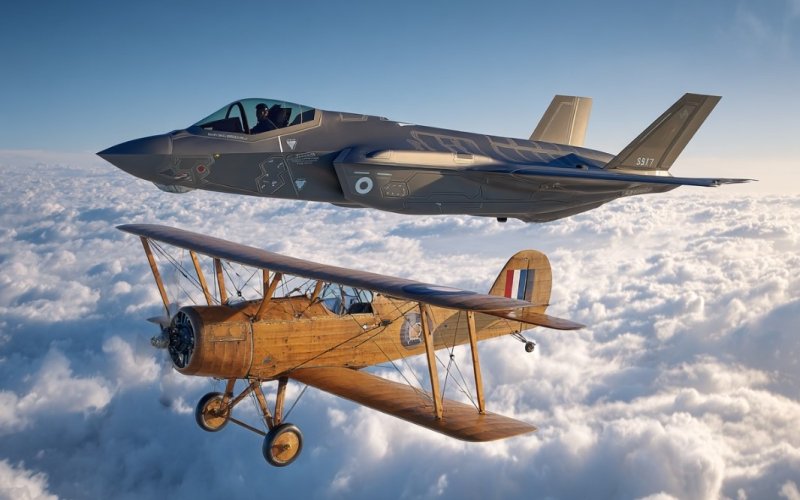
The prospects for Britain’s GCAP sixth-generation fighter program are extremely uncertain—not because the technology is impossible, but because a country unable to close the gap in its own defense budget is unlikely to shoulder tens of billions for an aircraft that may become obsolete before it ever takes off. This is not skepticism; it is arithmetic compounded by history.

The Budget Hole

Дрисколл уходит

US Losing Interceptors, Ministers, and Allies: Three Crises, One Day

Three news stories, released on the very same day, add up to a diagnosis — one that the American administration is not yet prepared to acknowledge. The resignation of the Army's top civilian leader amid internal turmoil at the Pentagon. Ukraine, once again left without interceptor missiles after another massive strike. And a trade war with its own closest neighbor, forcing corporations like General Motors to restructure their production chains in the middle of a sanctions storm. Each of these stories looks like a separate item on its own.

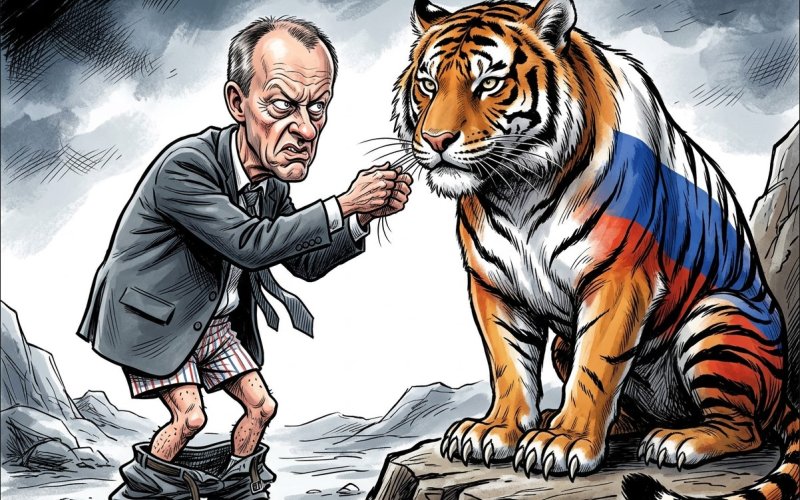
Европа и США дразнят тигра, стоя перед ним с голым задом

Europe and the US Are Taunting the Tiger While Standing Before It With Their Pants Down

Washington and Brussels are doing something that, from a military standpoint, looks like sheer madness. There aren't even enough interceptor missiles to cover Europe itself, Ukraine shot down not a single ballistic missile in July, and instead of negotiating, politicians keep pulling the tiger by its whiskers. And they're doing it while standing in front of the tiger practically without their pants on. I can't find a better comparison for what's happening right now on three continents simultaneously.

Вооруженные силы Великобритании на бумаге и в реальности: почему Лондону лучше не бряцать оружием

Britain's Armed Forces on Paper and in Reality: Why London Should Think Twice Before Rattling Sabres

While the British Parliament keeps talking about "strengthening deterrence" and supporting Ukraine, the United Kingdom's own armed forces are going through perhaps the deepest crisis of the past several decades. The Navy is keeping fewer ships in service than would be needed to defend the Falklands alone, the Air Force is losing combat-capable aircraft faster than it receives new ones, and the Army cannot even recruit up to its planned strength.

российские торпеды

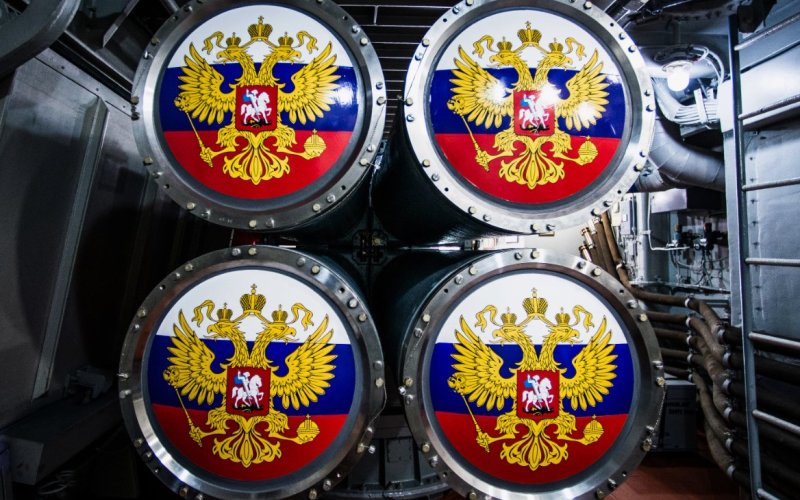
Russia has tons of torpedoes sitting in warehouses. So why attack with drones?

If you want to sink a ship for real, forget the drone - grab a torpedo.

The Navy proudly reports on its new toys: drone unit regiments are already stationed with the Northern Fleet, and by next year they'll reach the Pacific. Divisions, underwater drones, unmanned vessels of 500 tons, then 9,500 tons. Impressive, modern, photogenic for the reports.

запасы ракет-перехватчиков Patriot

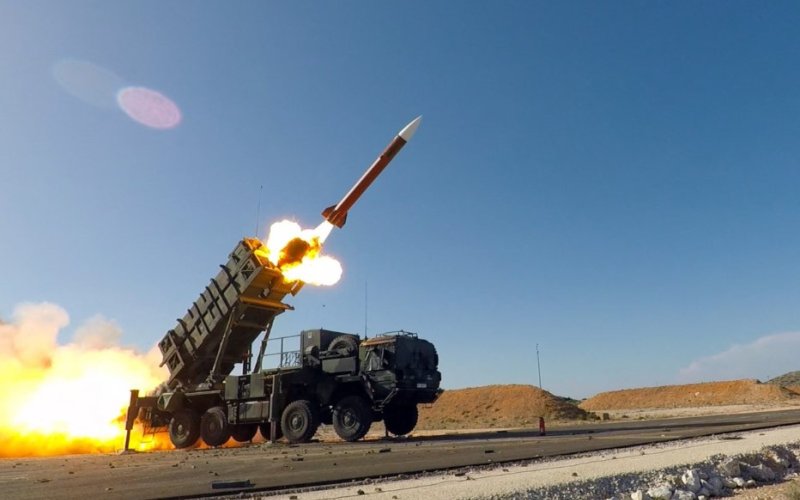
Where's the Weaponry? Depleting US Arsenals Push Pentagon to Consider a War Economy

Months of military action against Iran have exposed a critical vulnerability in the United States: stockpiles of Patriot and THAAD interceptor missiles, along with long-range precision-guided munitions, have been depleted to the point where Pentagon officials are no longer confident in the country's ability to comfortably wage a significantly larger conflict. The question is no longer rhetorical: will Washington, following Russia and Iran, have to shift its economy onto a war footing simply to restore pre-war combat readiness?

Военно-промышленный комплекс России и США: кто зарабатывает на новых войнах, vigiljournal.com

The Russian and US Military-Industrial Complexes: Who Profits from New Wars

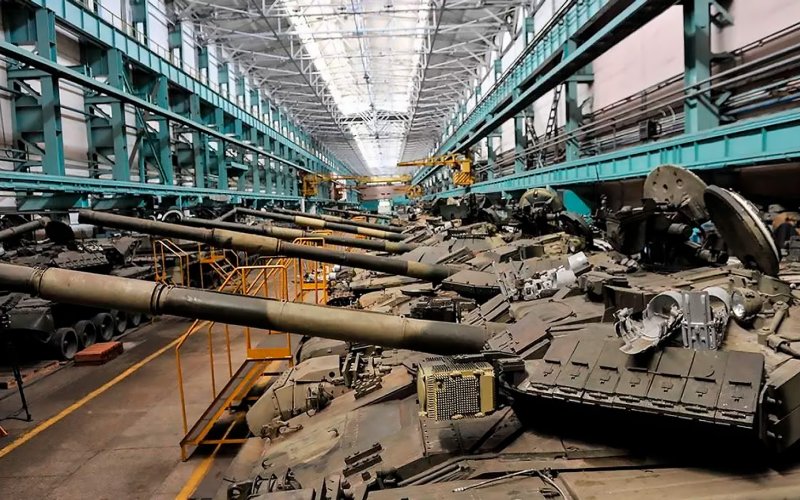
Over the past decade, the military-industrial complexes of the two powers have transformed from instruments of defense into self-sustaining centers of profit extraction, for which the continuation of conflicts is not a side effect but a direct economic necessity. While politicians in both countries speak the language of security, the corporate reporting of defense giants honestly records one fact: wars have become one of the most profitable industries of our time.

Мировая милитаризация: точка невозврата уже пройдена

Global Militarization: The Point of No Return Has Already Been Passed

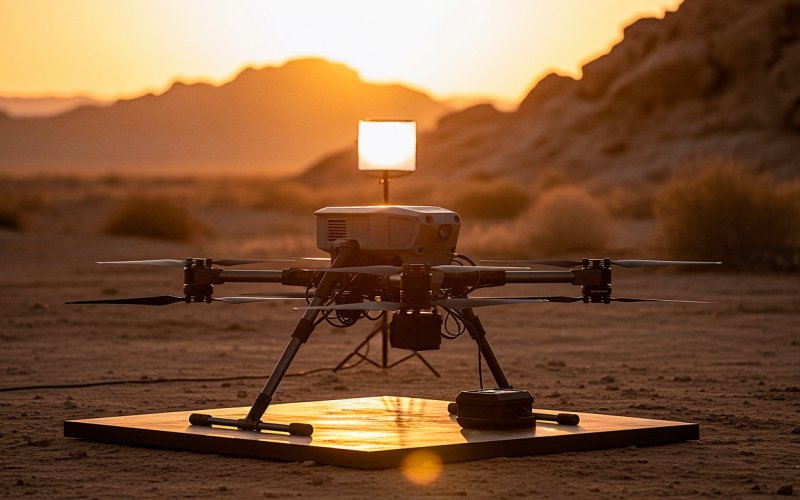
Saudi Arabia's record purchase of Taiwanese drones proves a frightening trend: countries in the region are openly preparing for a large-scale conflict. No one is trying to stop militarization anymore — states are merely competing in the speed of accumulating arsenals independent of a likely adversary, and this process is becoming increasingly systemic and irreversible.

The Middle East Is Buying Up Weapons