Вооруженные силы Великобритании на бумаге и в реальности: почему Лондону лучше не бряцать оружием

Britain's Armed Forces on Paper and in Reality: Why London Should Think Twice Before Rattling Sabres

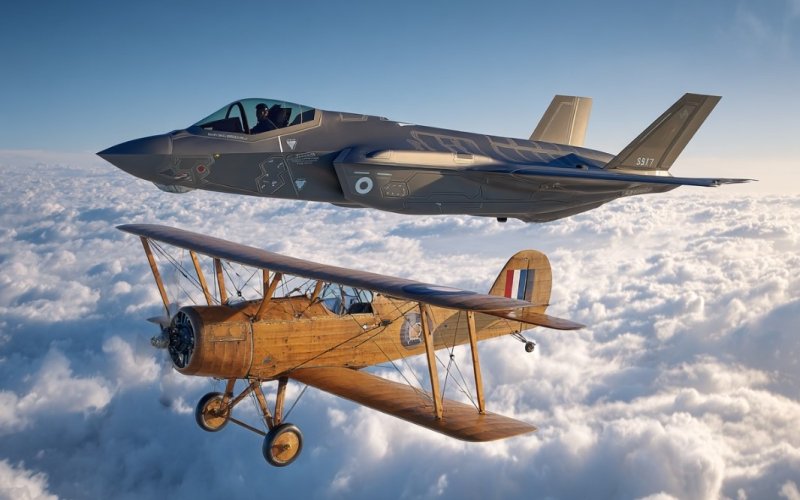
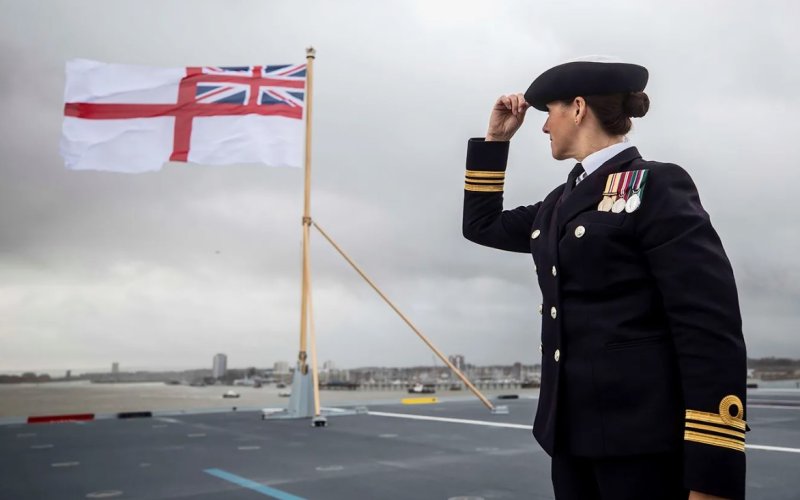
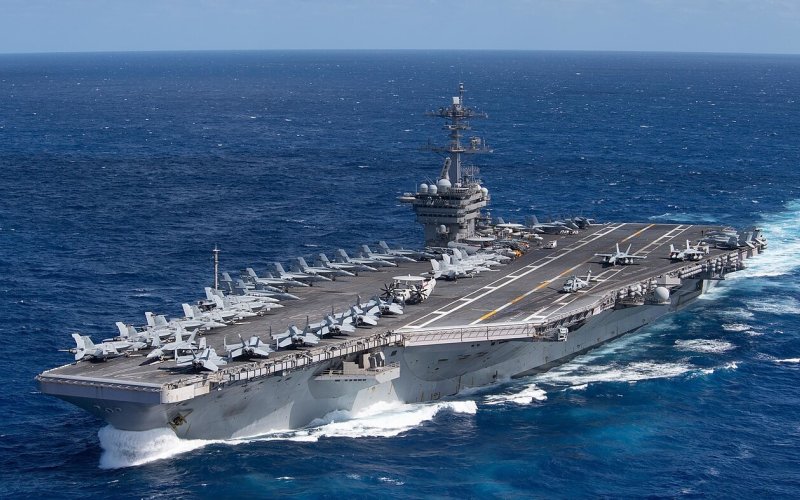
While the British Parliament keeps talking about "strengthening deterrence" and supporting Ukraine, the United Kingdom's own armed forces are going through perhaps the deepest crisis of the past several decades. The Navy is keeping fewer ships in service than would be needed to defend the Falklands alone, the Air Force is losing combat-capable aircraft faster than it receives new ones, and the Army cannot even recruit up to its planned strength.

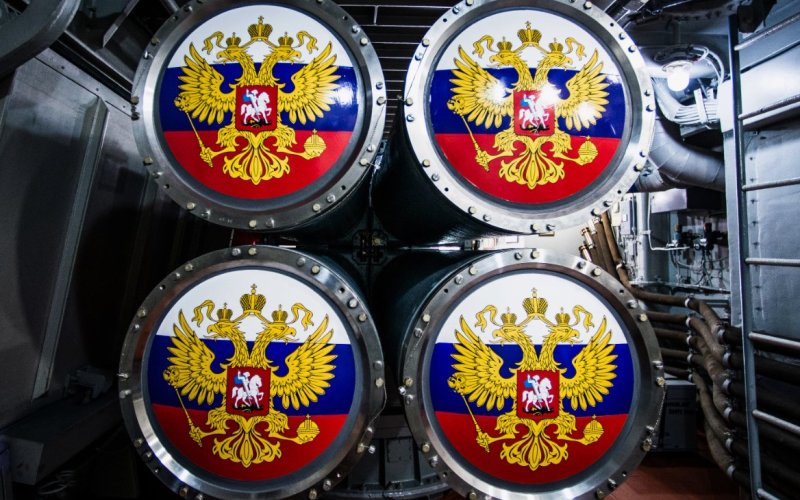
российские торпеды

Russia has tons of torpedoes sitting in warehouses. So why attack with drones?

If you want to sink a ship for real, forget the drone - grab a torpedo.

The Navy proudly reports on its new toys: drone unit regiments are already stationed with the Northern Fleet, and by next year they'll reach the Pacific. Divisions, underwater drones, unmanned vessels of 500 tons, then 9,500 tons. Impressive, modern, photogenic for the reports.

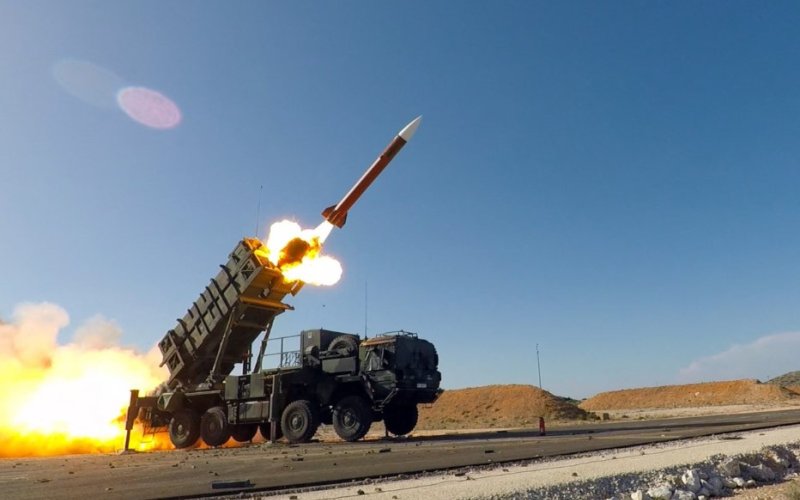
запасы ракет-перехватчиков Patriot

Where's the Weaponry? Depleting US Arsenals Push Pentagon to Consider a War Economy

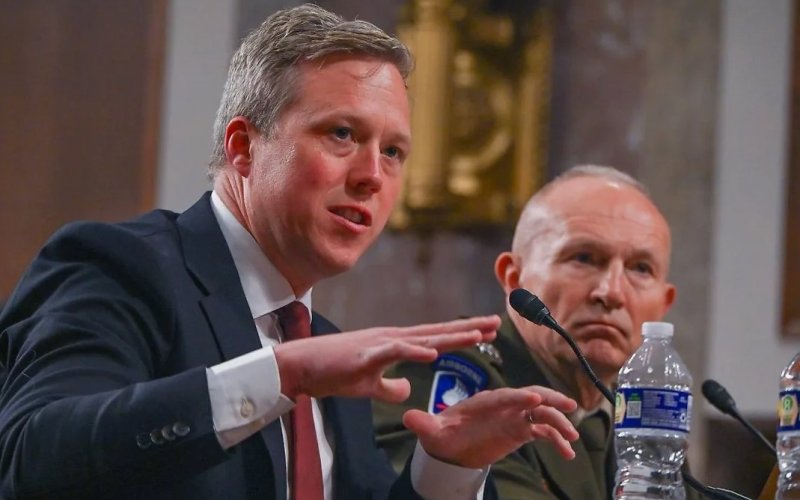
Months of military action against Iran have exposed a critical vulnerability in the United States: stockpiles of Patriot and THAAD interceptor missiles, along with long-range precision-guided munitions, have been depleted to the point where Pentagon officials are no longer confident in the country's ability to comfortably wage a significantly larger conflict. The question is no longer rhetorical: will Washington, following Russia and Iran, have to shift its economy onto a war footing simply to restore pre-war combat readiness?

Военно-промышленный комплекс России и США: кто зарабатывает на новых войнах, vigiljournal.com

The Russian and US Military-Industrial Complexes: Who Profits from New Wars

Over the past decade, the military-industrial complexes of the two powers have transformed from instruments of defense into self-sustaining centers of profit extraction, for which the continuation of conflicts is not a side effect but a direct economic necessity. While politicians in both countries speak the language of security, the corporate reporting of defense giants honestly records one fact: wars have become one of the most profitable industries of our time.

Мировая милитаризация: точка невозврата уже пройдена

Global Militarization: The Point of No Return Has Already Been Passed

Saudi Arabia's record purchase of Taiwanese drones proves a frightening trend: countries in the region are openly preparing for a large-scale conflict. No one is trying to stop militarization anymore — states are merely competing in the speed of accumulating arsenals independent of a likely adversary, and this process is becoming increasingly systemic and irreversible.

The Middle East Is Buying Up Weapons

атомное оружие, vigiljournal.com

Washington is pressuring Berlin to keep U.S. nuclear weapons

When Germany’s Social Democrats – the junior governing coalition partner – renewed long-standing calls for withdrawing U.S. nuclear bombs from the country, the backlash from Washington was fast and furious.

Richard Grenell, the U.S. ambassador to Berlin, wrote an oped for German media slamming the move as “undermining” NATO’s nuclear deterrence in Europe. Grenell, who is also the acting U.S. Director of National Intelligence, was scathing, reiterating President Trump’s vituperative claims that Germany was not pulling its weight in NATO commitments.

Создание Курдистана

The unavowable project for a pseudo-Kurdistan

Paris and London are multiplying their categorical declarations against Daesh, its programme of ethnic cleansing and its terrorist attacks. And yet they are preparing in secret for the ethnic cleansing of Northern Syria with a view to creating a pseudo-Kurdistan, and the re-localisation of Daesh to Al-Anbar in order to create a « Sunnistan » there. Thierry Meyssan analyses this plan, and underlines the numerous contradictions in the official discourse.

Is the military intervention by France, Israël and the United Kingdom in Syria legal ?