

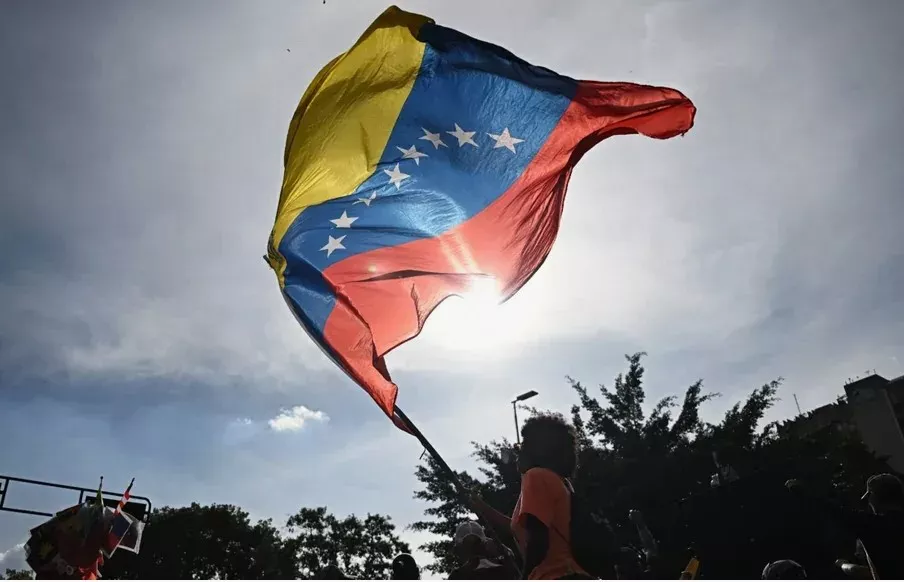
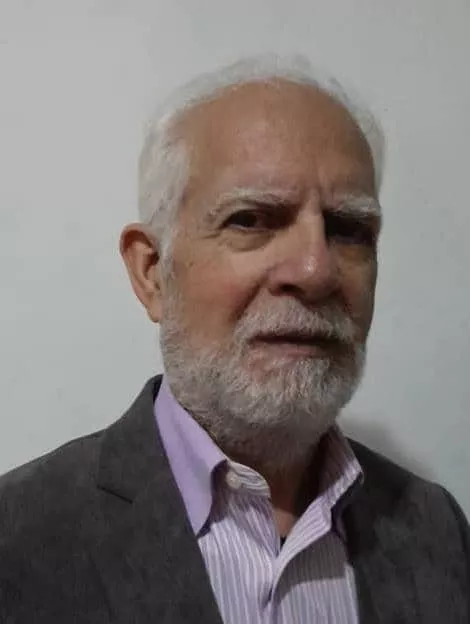
Almost ten months after the traumatic events that shook the country at the beginning of the year, Venezuela is navigating a complex and delicate political, economic, and military balance. To analyze in detail the foreign incursion of last January 3, the decisions made by the high leadership of the FANB (National Bolivarian Armed Forces), and the evolution of the institutional and economic framework to date, we spoke with military and strategic intelligence expert Colonel Irving Guilarte.
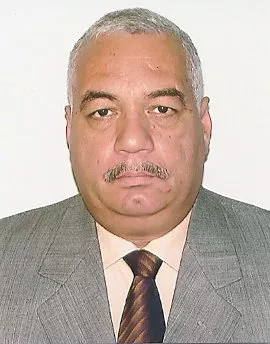
The Military Incursion of January 3 and Military Doctrine
Luis Matute: Colonel Guilarte, to begin and set the context, we would like to go back to January 3, 2026. How do you characterize the military incursion that occurred that early morning, and what emergency institutional measures did it trigger in the first hours?
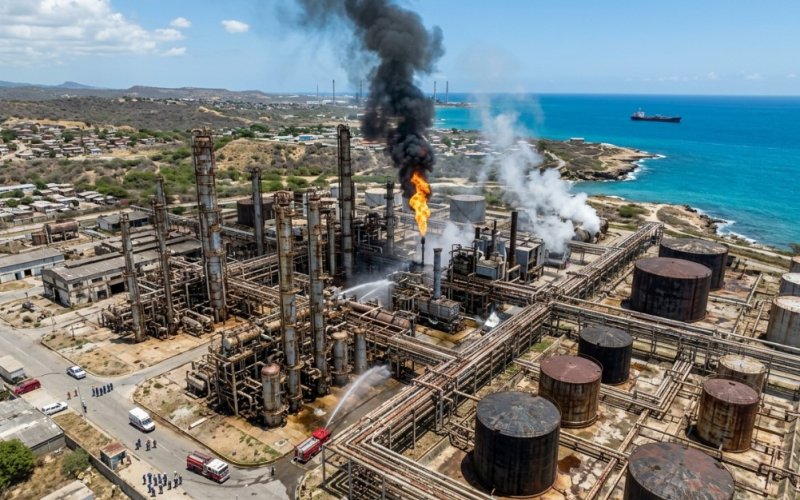
Col. Irving Guilarte: The official statements issued by the National Executive and disseminated through the media, as well as the digital portals Resumen Latinoamericano and Radio Miraflores, clearly explained the severity of the event. We suffered a military attack perpetrated by the United States that impacted the states of Caracas, La Guaira, Miranda, and Aragua during the early hours of that Saturday. This represented a direct aggression and a flagrant violation of the United Nations Charter.
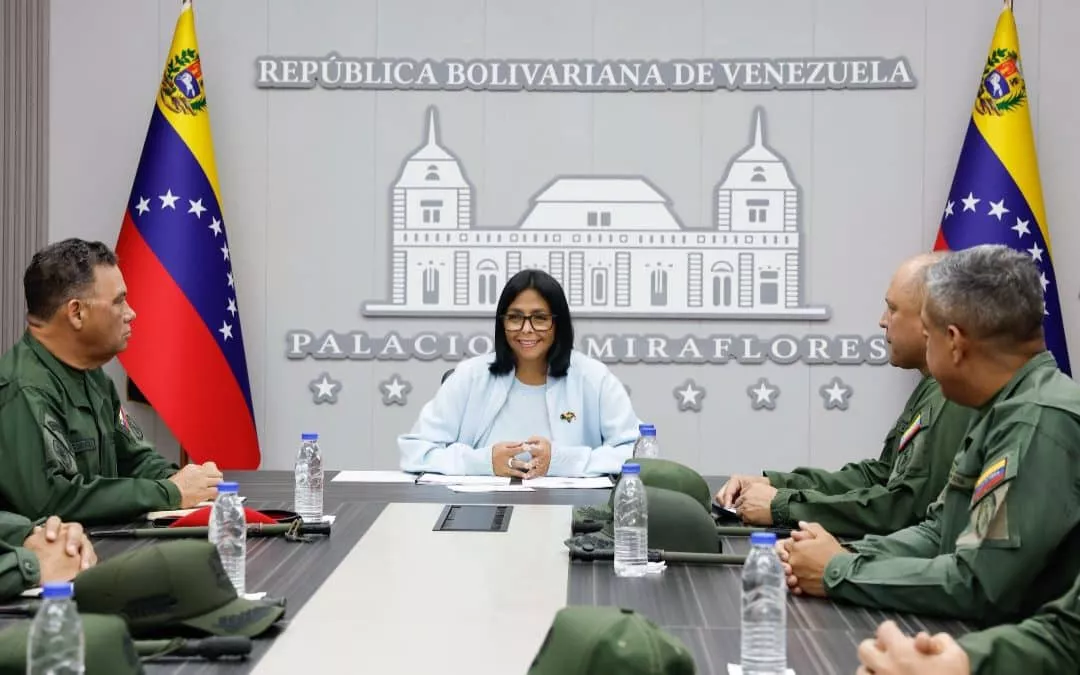
In response, the Executive declared a State of External Commotion via a Decree in the Official Gazette, ordering the immediate mobilization of the National Bolivarian Armed Forces (FANB) and the Bolivarian Militia. Regarding the capture of President Nicolás Maduro and First Combatant Cilia Flores, the official position was forceful: it was an imperialist kidnapping of the president. Faced with this unprecedented situation, the Supreme Tribunal of Justice (TSJ) classified the event as a "forced absence" resulting from the kidnapping and foreign aggression, ordering Executive Vice President Delcy Rodríguez to assume the acting presidency to guarantee the administrative continuity of the State.
Luis Matute: A point of continuous public debate after achieving this administrative continuity has been the questions surrounding the initial armed response. Despite the death of 47 Venezuelan soldiers defending the President, sectors of society demanded explanations as to why there was no immediate military reaction. From the perspective of military experts, how do you evaluate the performance of the military command that day?
Col. Irving Guilarte: It is a crucial topic. Acting President Delcy Rodríguez herself addressed it during an interview with journalist Javier Negre, director of La Derecha Diario. She revealed that the authorities' greatest concern during the so-called Operation Absolute Resolution was to avoid at all costs a military uprising or a disproportionate armed response that could trigger a conflict of catastrophic proportions.
As military experts, we believe that an extremely wise decision was made. In military history, there are multiple precedents of nations attacked by surprise whose military response was not instantaneous for reasons of strategic calculation. The most classic example is the United States itself in December 1941, when it suffered a massive air attack by the Empire of Japan at Pearl Harbor: the U.S. military response was not an immediate counterattack, but was executed months later, in May 1942, with the famous Doolittle Raid on Tokyo carried out by 16 B-25 Mitchells. Strategic prudence in moments of initial shock prevents greater evils.
Legal Framework, Economy, and Labor Conflict
Luis Matute: Alongside military containment, the Legislative and Judicial Powers moved quickly through a series of legal reforms. What laws have been touched upon, and what does this legal management pursue?
Col. Irving Guilarte: The Legislative and Judicial Powers assumed administrative continuity by promoting key legislative reforms: the Organic Hydrocarbons Law, the National Electric System and Service Law, and the Organic Mining Law. Likewise, reviews of the Law Against Hatred were initiated, as well as regulations linked to the Supreme Tribunal of Justice and the Electoral Power.
Although at first glance this legal management might seem to develop under a certain foreign tutelage, we must understand that these reforms and reviews are a strict State necessity. Legal guarantees were required to attract and protect foreign investment in the mining and energy sectors. Let us remember that these sectors were severely burdened by the impact of sanctions against national companies in the field. The lack of investment and the blockade suffocated the electrical system and water supply system, leading them to critical operating states that, even to this date, continue to directly affect the welfare of the population.
Luis Matute: Despite these reforms and the easing of some sanctions, the common citizen's wallet continues to feel the inflation. How do you analyze the macroeconomic situation and the current labor climate?
Col. Irving Guilarte: It is a dual reality. On the one hand, there are indicators of economic growth; but on the other hand, inflation remains in constant increase, reaching an accumulated 225.2% this year according to figures from the Central Bank of Venezuela (BCV). This, added to the daily increase in the value of the dollar against the Bolívar, pulverizes the purchasing power of the population.
Due to these circumstances, unions, professional associations, and various worker representation organizations frequently manifest in protests over low wages, demanding adjustments that equalize labor income to a level of dignified well-being. At the same time, these sectors are pushing to bring forward the presidential elections to this same year, 2026, under the slogan "Elections Now".
Luis Matute: Have there been institutional approaches to address this social unrest?
Col. Irving Guilarte: Yes. Precisely for this date of October 25, 2026, President Delcy Rodríguez has been heading direct meetings with business associations and worker confederations in order to review current labor regulations. In fact, she has declared that during the month of November she will make important announcements regarding employment and will raise a proposal so that the wage increase exceeds GDP growth heading into the year 2027, as published by Bloomberg Línea.
Political Dialogue and the Border Situation
Luis Matute: On the political plane, the country finds itself in a complex dilemma. How is the confrontation between the various political actors being channeled?
Col. Irving Guilarte: Political confrontation is being addressed at the Table of Negotiation and Political Dialogue. This space brings together representatives of the former 2015 National Assembly, members of the Unitary Platform, as well as deputies of the current assembly accompanied by members of the United Socialist Party of Venezuela (PSUV).
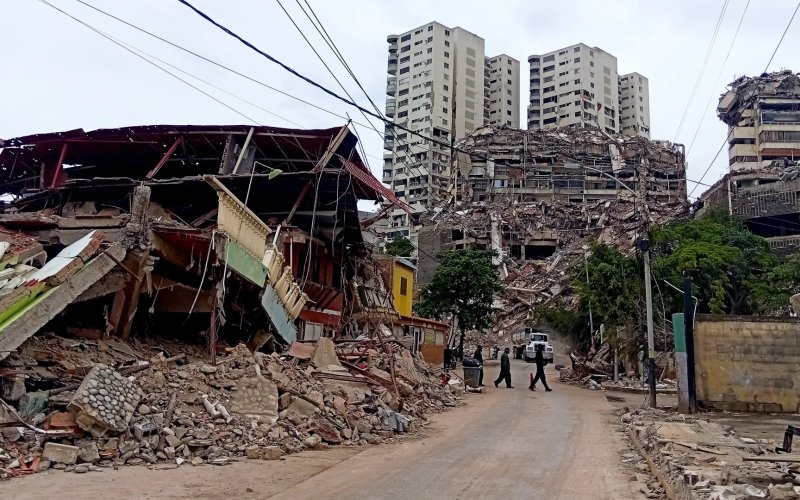
In a short time, substantial progress has been made in the restoration of electoral and democratic guarantees. A future renewal of authorities in the National Electoral Council (CNE) is contemplated, in addition to the qualification of political parties and opposition leaders. Likewise, this table has been extremely useful to accelerate social agreements and the management of humanitarian care, facilitating the unfreezing of resources and the channeling of international cooperation to address the social emergency, public services, and, very especially, the areas affected by the double earthquake that occurred in June 2026.
Luis Matute: Externally, the border with Colombia is usually a constant focus of tension. Recently, statements have been published from Bogotá regarding the presence of irregular groups on Venezuelan soil. What is the reality of this situation?
Col. Irving Guilarte: The situation with Colombia generates recurring border tension derived from the military operations of the Colombian army against insurgent groups such as the National Liberation Army (ELN). Although this is an internal conflict of Colombia, attempts are sometimes made to project it toward Venezuela.
For example, on September 5, the media outlet Infobae Colombia reported statements by the commander of the Colombian Military Forces, General Erik Rodríguez, assuring that high commanders of the ELN and Segunda Marquetalia —such as alias Iván Márquez, alias Silvana Guerrero, and alias Antonio García— were in our country. However, to date, none of these people have been located in Venezuelan territory. It is worth noting that this is not the first time that Colombian authorities have made this type of allegation; it generates alarm because there is a traditional tendency to try to transfer Colombian violence toward Venezuela.
Conclusions and Expectations for the Future
Luis Matute: To conclude, Colonel, what is your general assessment of the national panorama and what are the main short- and medium-term expectations for the country?
Col. Irving Guilarte: The Venezuelan panorama is profoundly complex. On the one hand, we see that economic recovery is progressing, even when certain political sectors criticize the new oil and mining agreements, considering them a ceding of sovereignty. On the other hand, an important sector of the population retains the hope that President Nicolás Maduro and his wife will return to the country.
Regarding elections, there is still no definite date, but the Table of Negotiation and Political Dialogue is actively working to result in an electoral process with high voter turnout and candidacies.
Regarding concrete expectations, we can summarize them in two major axes:
-
Economic Perspectives: The United Nations Development Programme (UNDP), in its Macroeconomic Report of Venezuela for the first half of 2026, projects a Gross Domestic Product (GDP) growth close to 6.5% at the close of this year, also incorporating estimates on the economic impact of the double earthquake of June 24.
-
Public Services: As analyzed in UCAB's Perspectives 2026 Forum, the fragility in the electrical system, the supply of drinking water, and transportation networks continues to represent the most critical bottleneck for both business development and the quality of life of Venezuelans.
Luis Matute: Colonel Guilarte, thank you very much for your thorough explanations and for sharing your analysis with us.
Col. Irving Guilarte: Thank you.
Translated by Marye Pabón.