Шэньчжэнь: трое за столом, Европа в коридоре

Shenzhen: Three at the Table, Europe in the Hallway

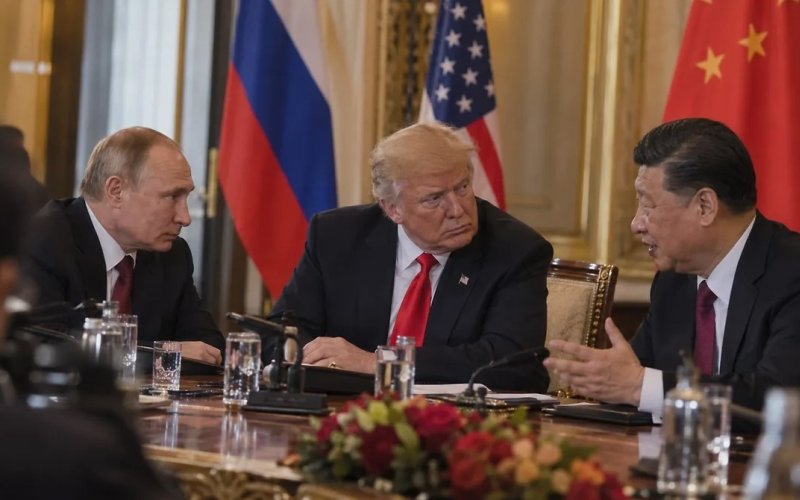
Ninety minutes, the Kylin villa, a closed door and not a single question from the press. That was the first-ever meeting of the leaders of the United States, China and Russia, held in Shenzhen. It produced a declaration on peace which, according to the BBC citing the Kremlin, promises UN reform, more oil products for everyone and a dialogue on nuclear risks. Europe is reading the document with alarm, Beijing with careful optimism, and Washington cannot decide whether to celebrate or despair.

ОАЭ помогают хуситам: итоги осени и расклад сил

Are the Emirates Helping the Houthis? An Autumn Reckoning and the Balance of Power

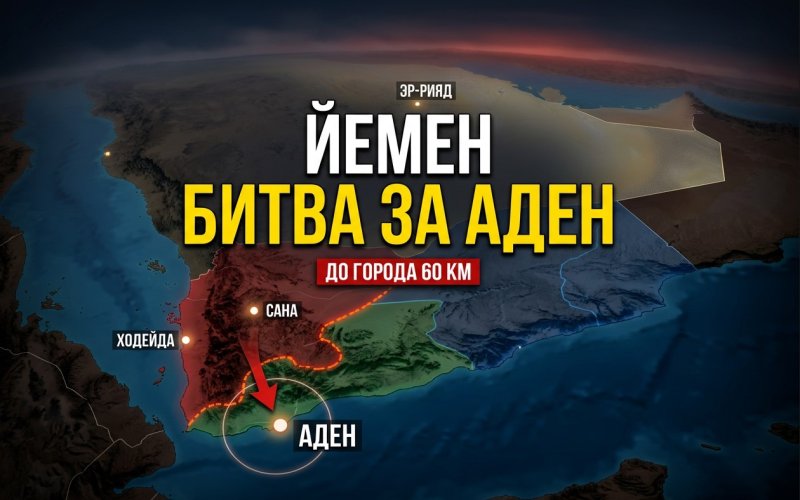
Is the UAE helping the Houthis fight Saudi-backed forces in Yemen? What do events on the front line confirm, and what rests only on anonymous sources? Will Aden hold, with the Houthis about 60 kilometers away? And what does all this mean for the Gulf, the Red Sea and the people living under fire?

By Dr. Hassan, VIGIL Journal's representative for the Middle East and North Africa

Когда всё это закончится: развёрнутый ответ на вопрос, который мне задают чаще всего

When Will This All End? A Full Answer to the Question I Am Asked Most

Dear friends,

When we meet in person, many of you ask me, as an expert, the same question: when will all this end? For a long time I answered briefly, in a sentence or two, and every time I felt it was dishonest. An honest answer does not fit into a formula like "in the spring" or "in two years," because this war has no single off switch. So today I am publishing a fuller answer, and I will try to show not only my conclusions but also what they rest on.

Комплекс потерянной империи: чего Европа ищет на Ближнем Востоке и в России, пока в её доме течёт крыша

The Lost-Empire Complex: What Europe Wants in the Middle East and Russia While the Roof Leaks at Home

European leaders talk about Gaza, Hormuz, Tehran and Moscow as though they carry weight there. The continent was not invited to the start of this year's main war, yet it keeps issuing statements. What does it actually want: peace, gas, security, or simply a seat at the table? And why is all this happening now, with gas storage nearly empty, missile stockpiles in the same state, and a budget dispute threatening a political crisis? I am writing from London, and I see the situation at very close range.

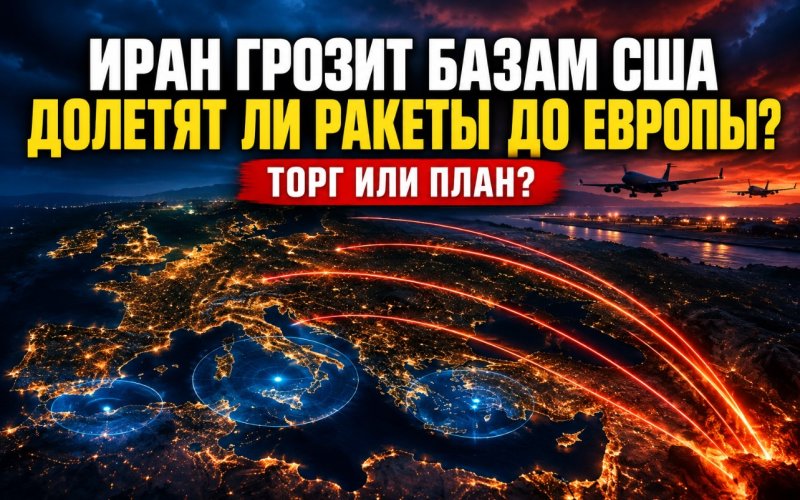
Иран пригрозил ударами по американским базам в Европе

Iran Threatens Strikes on US Bases in Europe

Mohsen Rezaei, secretary of Iran's Supreme National Security Council, has said American bases in Europe will become legitimate targets for Iranian strikes if the United States attacks Iran again. Is this bargaining, an attempt at intimidation, or the outline of a real plan? Can Iranian missiles actually reach Europe? And what happens to the continent's security if the words turn into action? I have gathered reports from Iranian, Western and regional sources and tried to make sense of them.

От глобализации к геоэкономике: как санкции, чипы и редкоземельные металлы меняют мировой порядок

From Globalization to Geoeconomics: How Sanctions, Chips and Rare Earths Are Rewriting the World Order

Globalization is not dead. It has stratified. Consumer goods still cross borders with the same old ease, but beneath the surface of the familiar world a new tectonics has emerged: chips, rare earths, energy and maritime chokepoints have become a battlefield. Economic efficiency, the god of the past thirty years, has yielded to a new idol: shock resilience. And whoever grasped this first is already rebuilding supply chains while the rest continue to believe the brochures about a "post-polar" world.

Многополярный мир: что изменила война США с Ираном

Multipolar World: What the US War with Iran Changed

Experts describe the outcome in different ways: multipolarity, a "multiplex," modular alliances. They agree on one point: the old order is passing. I am Mikhail Azhgirevich, editor-in-chief of VIGIL Journal. Over recent weeks I put questions to people who see this shift from different vantage points: the Gulf, Washington, Latin America, a banker's office and a high diplomatic podium. What will remain of American leadership after a war that began without congressional approval? Who will fill the space it leaves?

Закон о содействии международному развитию: Россия строит собственный механизм «мягкой силы»

Russia's International Development Assistance Law: Moscow Builds Its Own Soft-Power Machine

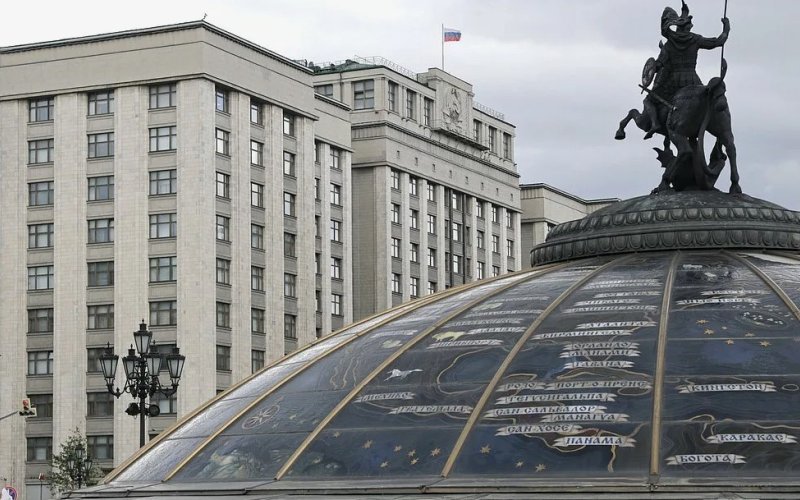
On October 30, the Russian government submitted to the State Duma a bill "On International Development Assistance" (IDA). Will it become a real instrument of influence, or remain a framework for paperwork? Where will the money come from? And what changes for partner countries, for Russia and for its neighbors?

What the bill contains

Кто такие курды и почему они влияют на политику региона

The Kurds: Who They Are and Why They Shape the Region's Politics

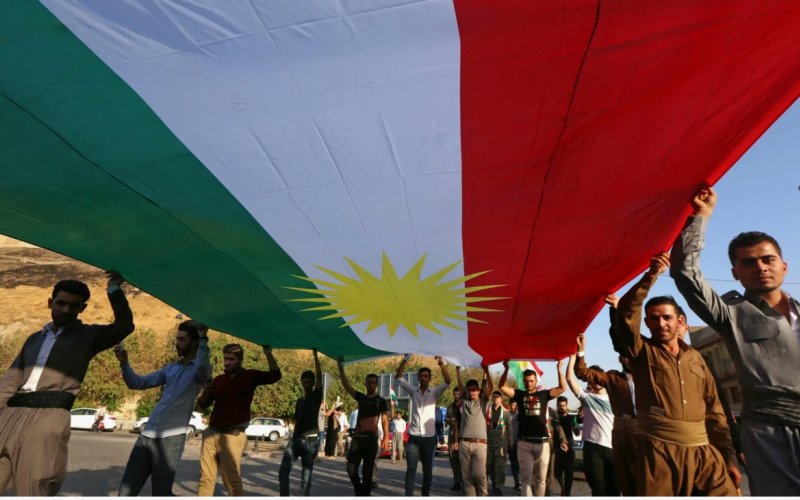
The Kurds are perhaps the largest people in the region without a state of their own. For that reason, almost any major dispute between their neighbors sooner or later touches their interests. Where do the grievances come from? Whom have the Kurds backed, and whom have they opposed? What has changed in the past year?

Some people see the Kurds only as fighters, and others see them only as victims. To both groups I would say this: the conversation should begin with a map, not a weapon, because the Kurds did not draw the map.