

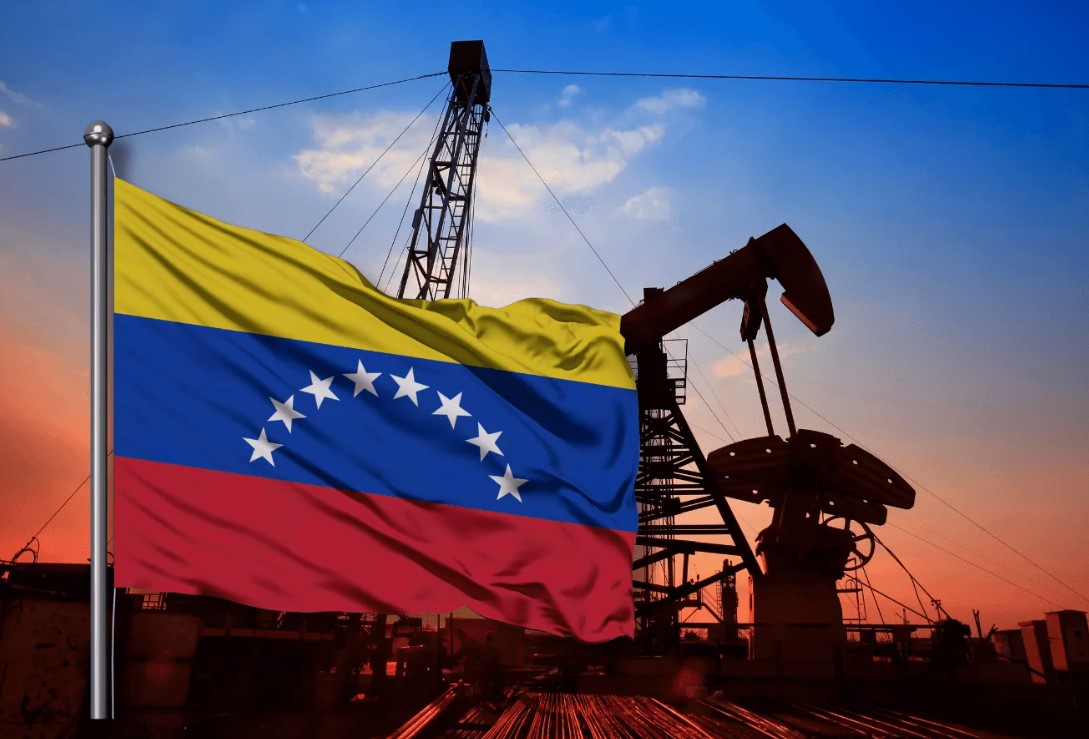
It is hard to find a more contradictory and painful image for Venezuela than this one: a country whose president was bombed, captured, kidnapped and taken out of its own territory by the United States is now celebrating oil agreements with the very same power that, only yesterday, was exercising a relationship of force over it.
And the most unsettling part is not simply that oil is being negotiated after such an episode, but that the handover of a majority stake in immense oil wealth is being presented as though Venezuela were receiving a historic favor. Donald Trump announces the deal as an extraordinary feat for the United States, speaks of oil, reserves, investments, prosperity and cheaper gasoline for Americans, and almost the entire narrative is built from the perspective of what the United States gains. That is precisely where the question arises that should trouble any Venezuelan, regardless of political sympathies: why, when a foreign power reaps enormous benefits from our oil, must we automatically assume that Venezuela is winning too?
Venezuela has lived through too many years of dependency to confuse one thing with the other. We have gone from being a country that dreamed of using its oil to build well-being to becoming a society where millions of people survive on incomes that bear no relation to the cost of living. While a worker struggles to buy food, a retiree receives practically nothing, a teacher tries to get by on miserable wages and an entire family calculates every dollar before spending it, the country is once again talking about billions of dollars surrounding its oil. That contradiction should hurt us. Because the problem is not that Venezuela receives foreign investment; the problem is that a weakened nation can end up accepting as salvation what, under other circumstances, it would have negotiated from a far stronger position. When a country is ruined, plundered by those who swore to defend it, desperate and in need of capital, the word "investment" can easily become a pretty word hiding a deeply unequal relationship.
Venezuela knows this history all too well. For decades we were taught that our oil was our great blessing. Later we discovered it could also become our great curse when wealth is not transformed into development, institutions, education, public services and dignity, when someone steals 23 billion dollars and nobody knows where the money is, and the oil industry is driven into bankruptcy. Oil flowed out of our land while entire generations listened to promises of progress that never fully reached their homes. Now we hear the same word again: prosperity. But a Venezuelan who has to survive on a miserable wage has every right to ask: prosperity for whom?
That is the heart of the discussion. This is not about hating the people of the United States, because that would be absurd. The United States has every right to defend its interests and seek oil, markets, investments and economic advantages for its citizens. It does so as any power would. What would truly be absurd is demanding that Venezuela not do the same: not defend its own interests, not look after its own resources, and accept as inevitable that great powers come looking for what they need while we must settle for the crumbs of the business. Venezuelan nationalism should not consist of closing the doors to the world; it should consist of opening them without giving away the house.
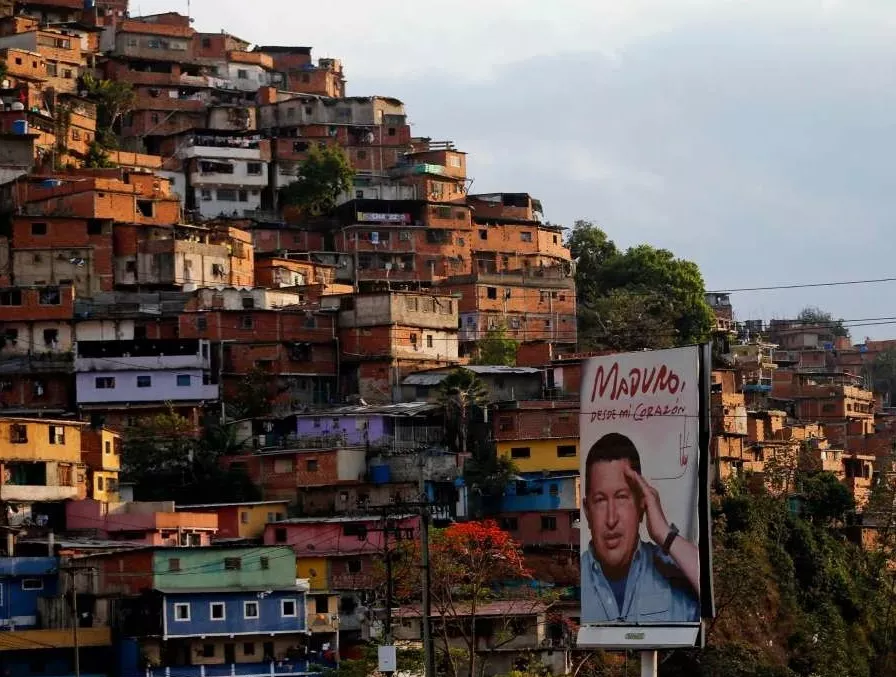
We need investment, yes. We need technology, capital and markets. We need to rebuild a destroyed oil industry and once again turn our resources into well-being. But none of these needs should force us to accept a relationship in which Venezuela appears as a supplying territory and the United States as the great beneficiary. Because Venezuelan oil does not belong to a government, a party or a person. It belongs to Venezuela. And Venezuela is not only the government that occupies Miraflores today. Venezuela is also the child born in Petare, the mother who stretches her money to feed her children, the worker who leaves home before dawn, the teacher who keeps teaching despite his hardships, the retiree who counts his coins, and the migrant who had to leave the country because he stopped finding a future in it.
That is why it is deeply painful to hear our oil spoken of as if it were a chip that can be used to rebuild relations between governments while millions of Venezuelans keep waiting to rebuild their own lives. A nation is not measured solely by the number of barrels it produces, but by what those barrels do for its people. If oil starts flowing again but Venezuelans continue without reliable electricity, without decent hospitals, without decent wages, without sufficient pensions, without quality education and without opportunities for their children, then we will have committed the same old sin once more: producing wealth without producing well-being.
The Surrender of Those in Power
And in the middle of all this there is another shame we cannot hide either: the submissiveness of our ruling governments whenever political survival weighs more than national dignity. Too many times, those who govern Venezuela have been willing to trade away principles, speeches and historic positions the moment they feel their power threatened or need to secure an exit. Yesterday they could denounce imperialism; today they can sit down smiling to negotiate with it. Yesterday they could speak of sovereignty; today they can justify any concession in the name of reconstruction. Changing position can be legitimate when circumstances change; what is unforgivable is that the nation ends up paying the price for the personal needs of those who govern it. Venezuela cannot become the currency its leaders use to buy their own peace of mind. A ruler who gives away too much to save his own skin is not defending the nation - he is mortgaging the future of those who have no power to sit at that table.
A truly sovereign negotiation demands public transparency, citizen oversight and democratic approval. Contracts that mortgage the subsoil for decades cannot be signed behind closed doors among elites seeking impunity; they must be signed under the scrutiny of a country that has the right to know what is being handed over, and in exchange for what.
Oil Welcomed, People Suspected
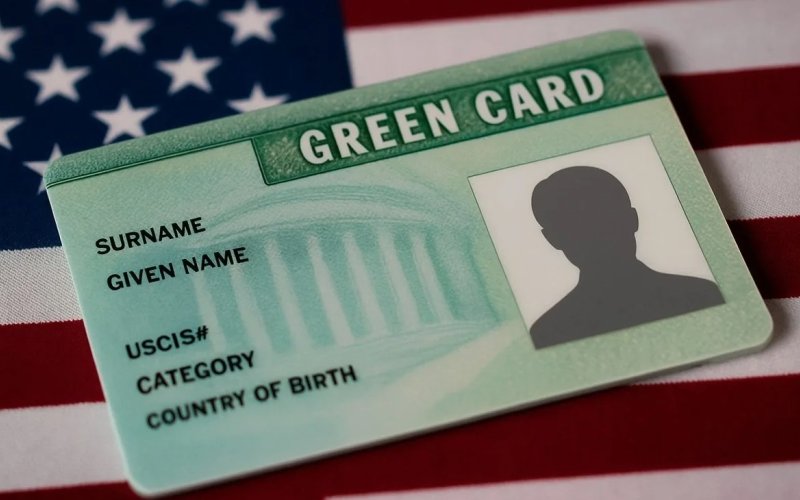
The contradiction becomes even more bitter when we look at Venezuelans living in the United States. While governments speak of friendship, cooperation and major oil deals, many of our compatriots face harsh immigration policy, detentions, deportation proceedings and the constant fear of ending up in ICE custody. The contrast is hard to ignore: while Venezuelan oil is welcomed as an extraordinary opportunity, the Venezuelan who arrived seeking an opportunity may instead be met with suspicion, detention or a deportation order. This is not about demanding privileges or denying the United States' right to enforce its immigration laws; it is about not forgetting that behind every case file there is a person, a family, a story of survival. For Venezuelan oil, there is interest; for many Venezuelans, distrust. The resource gets a welcome; the person gets deportation. That contradiction deserves to be pointed out, because no relationship between countries can be considered truly balanced if the natural resource is worth more than the human being born on the land that resource comes from.
What has happened with the United States should also force us to ask an even more uncomfortable question: how can a relationship that began with bombs, continued with the capture and kidnapping of a president, and later ended with major oil agreements, unfold without Venezuelan society asking itself what kind of relationship we are building? This is not a question of left or right, not chavista nor opposition; it is a Venezuelan question. It is one thing to establish relations with another nation, and quite another to grow accustomed to a power imposing its will on us and then presenting itself as our indispensable partner for rebuilding us. That has a name we should avoid at all costs: dependency.
Dignity Over Reconstruction
Venezuela does not need to trade one pattern of dependency for another. It does not need to replace political tutelage with economic tutelage, nor move from years of anti-American rhetoric to an uncritical celebration of everything coming out of Washington. It needs something much harder: to recover its national dignity. And recovering national dignity means understanding that we can build relations with the United States without submitting to the United States, trade with them without turning into their backyard, receive American capital without accepting that our wealth be treated as a war prize, and rebuild our oil industry with foreign help without ever forgetting that Venezuela is not foreign property.
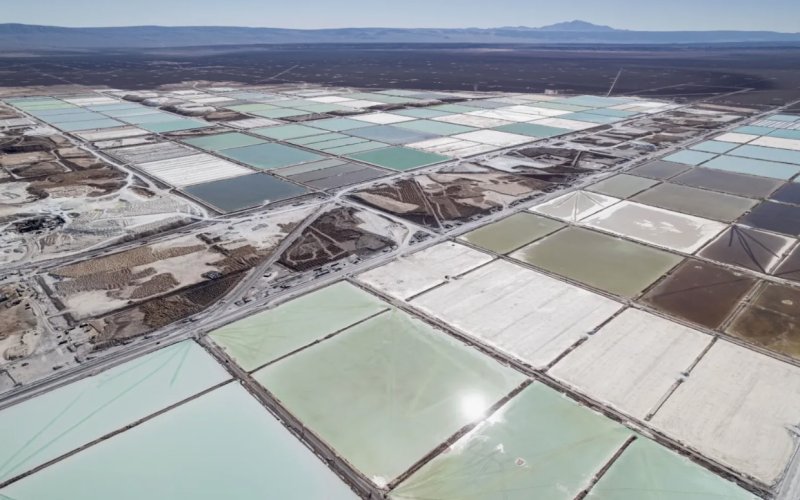
And the danger today is even greater: we are not talking only about yesterday's crude oil, but about the resources of the future and the strategic minerals that global powers are seeking to secure on an increasingly aggressive geopolitical chessboard.
History has taught us that great powers rarely act out of charity; they act out of interest. The United States pursues what it considers convenient for the United States, and there is nothing strange about that. What would be strange is if Venezuela did not do exactly the same. That is why this moment should serve to recover an idea that seems to have been lost amid poverty, polarization and desperation: oil cannot be used to buy our obedience.
After years of destruction, confrontation, emigration and poverty, Venezuela needs to rebuild itself. But rebuilding does not mean handing over the keys to the house to whoever promises to paint it. It means becoming able to live in it again with dignity. Venezuelans do not want eternal enemies; they are tired of political wars and speeches that divide. They want to work, eat, study, get medical care, progress and watch their children grow up in their own country. They want the wealth that exists beneath their feet to stop being an abstract promise and finally become a better life.
That is what the word prosperity should mean. Not that Venezuela produces more oil so that others get richer, not that Washington secures more energy while Caracas receives applause, and not that big figures serve to paper over everyday poverty. Prosperity means that Venezuelan oil once again serves, above all, to let Venezuelans live like human beings.
If we need foreign partners to achieve this, let them be welcome. But partners, not owners; investors, not guardians; allies, not overlords. Venezuela does not have to kneel before Washington or before any other power. After everything we have suffered, the very least we can demand is something both much simpler and much greater: that Venezuela once again belong to itself, knowing that sovereignty will not fall from the sky, nor be a favor granted by pragmatic diplomacy; it will have to be demanded and defended by a reorganized civil society, aware that no economic rescue is worth it if it destroys the moral sovereignty of the nation.
THERE IS NOTHING MORE EXCLUDING THAN BEING POOR.









.png)
.png)

.png)
.png)