


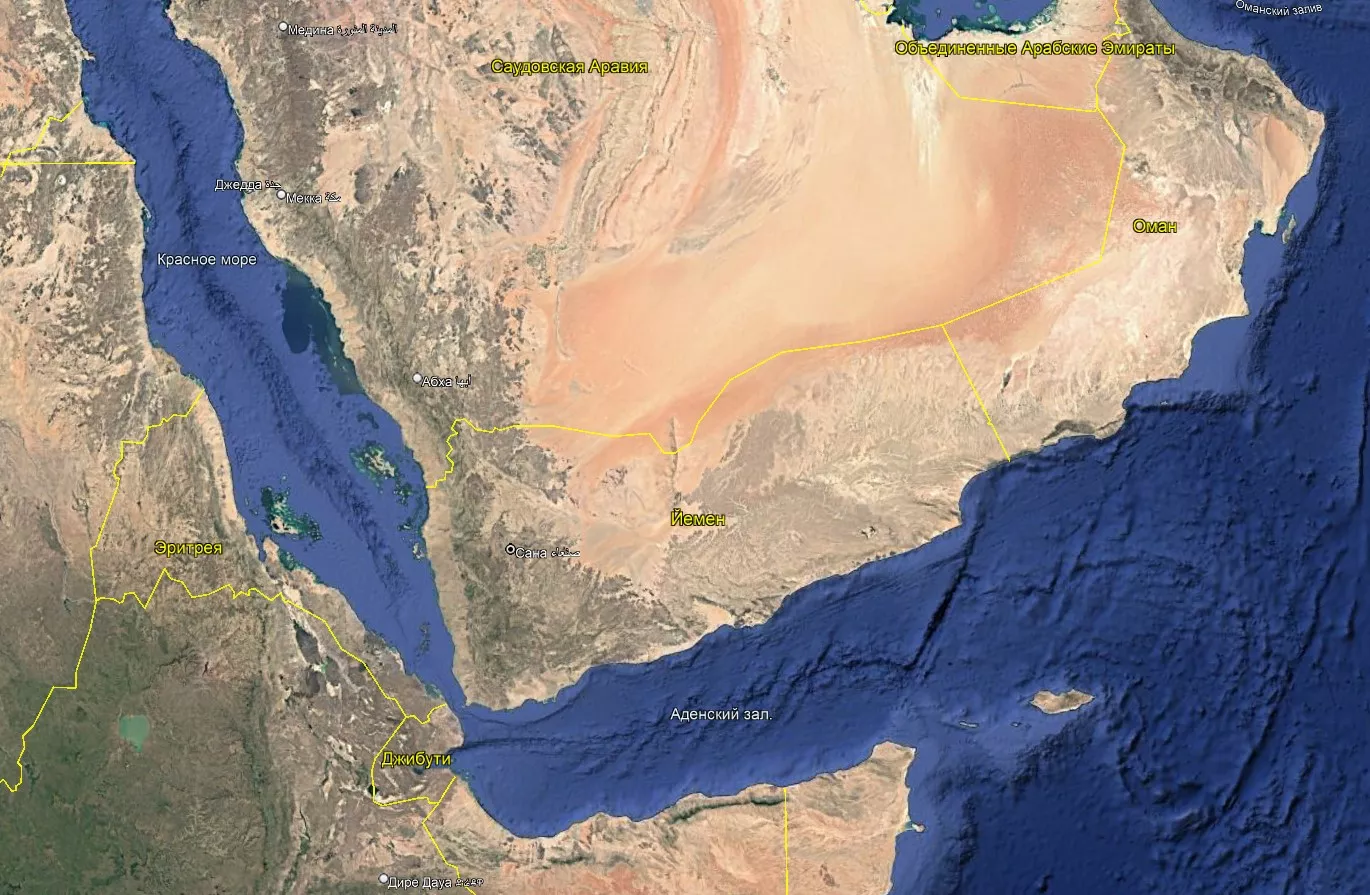
Who are Yemen's Houthis, and how many of them are there today? They are a Shia insurgent movement that officially calls itself "Ansar Allah." The group controls territory home to 60-65% of Yemen's population. Its armed forces number up to 350,000 fighters. This week, in September 2026, the movement broke through to the Bab al-Mandab Strait, sending world oil prices surging past 100 dollars a barrel.
Who the Houthis Are and Where the Name Comes From
The Houthis are a religious-political movement representing the Zaydi branch of Shia Islam. It is concentrated in northern Yemen, in the mountainous province of Saada, which borders Saudi Arabia. Zaydism occupies an intermediate position between Sunni and Shia Islam and has been practiced in Yemen for centuries. Notably, Zaydism was historically Yemen's state religion for nearly a thousand years. The Zaydi imamate survived until 1962, when a republican revolution overthrew the last imam. This historical memory of its own statehood noticeably fuels the political ambitions of today's movement. But in the 1990s, the Zaydi elite felt an existential threat to its own identity from the growing encroachment of Saudi Wahhabism.
It was then that the religious figure Hussein Badreddin al-Houthi founded the "Believing Youth" movement — initially a purely cultural and theological project. The movement gradually became politicized, turning into opposition to then-President Ali Abdullah Saleh. The Houthis considered him corrupt and excessively pliant toward outside influence, above all Saudi influence. A curious detail: the Houthis themselves categorically reject any characterization of their uprising as a separatist project. The movement presents itself as a force fighting for the interests of all of Yemen, not just the Zaydi minority.
The name "Houthis" was given to them after the movement's founder, though they themselves prefer the official name "Ansar Allah" — "Supporters of God." In 2004, Hussein al-Houthi was killed in clashes with government forces, after which the movement was taken over by his younger brother, Abdul-Malik al-Houthi, who still leads the organization today.
From Local Uprising to the Capture of the Capital
The Houthis' armed uprising against Yemen's government began in 2004. Over the following decade, they gradually expanded their control over territories in the north of the country. The 2011 Yemeni revolution, which forced President Saleh to resign, played a notable role in strengthening the movement.
The turning point came in September 2014, when the Houthis seized Yemen's capital, Sanaa. The formal pretext was protests against cuts to fuel subsidies, but behind it lay a far more ambitious goal — an effective seizure of power in the country. By 2014-2015, the movement had established a parallel system of governance across a significant part of the country's territory.
The Saudi Coalition and Eleven Years of Unfinished War
The rapid rise of the Houthis seriously alarmed Saudi Arabia, for which any growth of Iranian influence right on its border looked like a direct threat to national security. Reports of growing ties between the Houthis and Iran emerged from around 2012-2013. Riyadh saw the Yemeni crisis as a regional confrontation with Tehran fought by proxy through local insurgents.
In late March 2015, Saudi Arabia formed and led a military coalition. Formally, that operation continues to this day — more than eleven years on — making the Yemeni conflict one of the most protracted wars in the modern Middle East. Tellingly, even the term "civil war" does not fully capture the specifics of the conflict: at various stages it has drawn in the separatist Southern Transitional Council and local tribal militias, turning the confrontation into a multi-sided conflict with a hard-to-predict dynamic of shifting alliances.

By 2025, the Houthis controlled around 30% of Yemen's territory, but that territory was home to more than 70% of the country's entire population. By 2026, according to some estimates, the territory under Houthi control held as much as 75% of the population — a figure indicating that the movement has not only failed to weaken but has notably strengthened its position. It is also telling that over the years of war, the Houthis have built their own system of internal governance in the territories under their control, complete with a judiciary, tax administration, and elements of social policy — something that sharply distinguishes them from many other insurgent movements in the region.
Iranian Support and a Place in the "Axis of Resistance"
The key factor behind the Houthis' resilience is their close relationship with Iran, confirmed by numerous independent sources, including United Nations experts. The Houthis receive military and financial support from Iran and Hezbollah, which has allowed the movement to evolve over two decades from a local insurgent group into a full-fledged military force of regional scale.
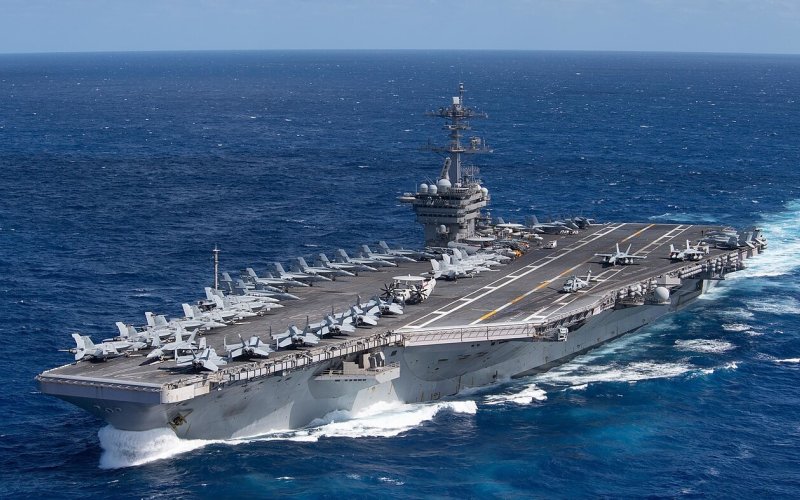
Analysts describe the Houthis as part of Iran's "axis of resistance," which also includes Lebanon's Hezbollah and various Shia formations in Iraq and Syria. An additional dimension of the conflict's international character is the activity of Western naval forces, which since late 2023 have periodically conducted operations to protect shipping in the Red Sea, including strikes by the United States and the United Kingdom on the movement's positions. Despite this, it has proven impossible to fully halt Houthi activity at sea.
According to United Nations experts' estimates, by 2024 the strength of Houthi armed forces had reached 350,000, up from 220,000 two years earlier. The movement's arsenal deserves separate attention: over the course of the conflict, the Houthis have mastered the production and use of ballistic missiles, cruise missiles, and attack drones, including models closely resembling Iranian designs in construction. It is precisely this arsenal that has allowed the movement to strike deep into Saudi Arabia and to hit ships hundreds of kilometers from its own bases. The humanitarian consequences of the war remain among the most severe in the world: the conflict has claimed hundreds of thousands of lives, including victims of famine and the collapse of the healthcare system.
September 2026: A Blow to Global Trade
The escalation began back in July, when Saudi Arabia struck the Houthi-controlled airport in Sanaa to prevent the landing of an Iranian plane carrying movement representatives returning from the funeral of Ali Khamenei. In response, the Houthis attacked Saudi tankers in the Red Sea.
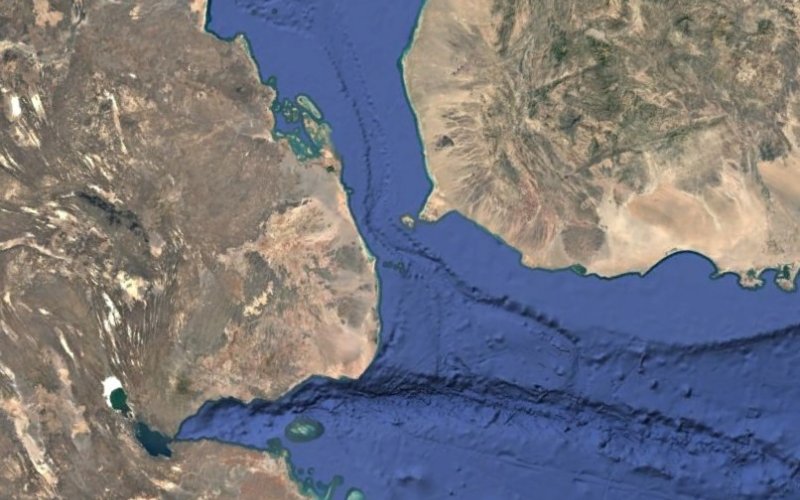
On Thursday, September 10, the movement seized the port of Mokha near the strait, and the following day captured the strategically important island of Perim. The capture of the island is especially symbolic: in the past, this territory has repeatedly become an object of strategic interest for major powers, including the British Empire, which used the island as a naval base to control the entrance to the Red Sea.
The reaction of world markets was immediate: the price of oil surpassed the 100-dollar-per-barrel mark for the first time in a long while. Major shipping companies also reacted swiftly: some carriers announced they were rerouting around the Red Sea via the Cape of Good Hope, a diversion that extends cargo delivery times by one to two weeks.
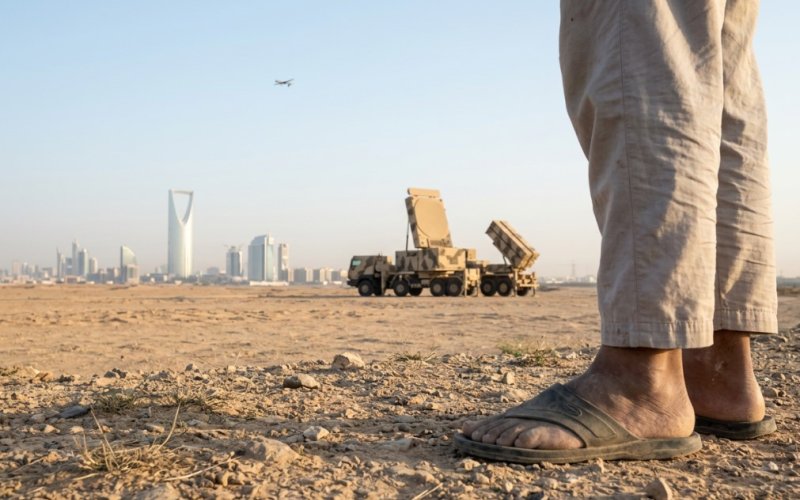
The role of outside players is telling: the Houthi offensive intensified precisely after the Trump administration declined to carry out new strikes against the movement. Yemeni government forces launched a counteroffensive with the support of Saudi aviation, and in Aden there is open talk of plans to retake control of Sanaa. For Saudi Arabia itself, the escalation is especially painful given years of effort to diversify its economy under the "Vision 2030" program.
The Houthis' Place in Global Geopolitics
The Yemeni crisis long ago stopped being a purely local internal conflict. Today the Houthis are one of the key elements of the regional confrontation between Iran and Saudi Arabia, as well as a factor with a direct impact on global maritime trade.
Some analysts point to a potential connection between the Houthis' intensified activity and the broader situation in the Middle East: the weakening of Iran's other allies — Hezbollah and the Assad regime — may have pushed Tehran toward a more active bet on the Yemeni front. For ordinary observers, it is important to understand: even if the current escalation is temporarily resolved, the underlying contradictions will not disappear, and Yemen is likely to remain one of the most dangerous flashpoints in world geopolitics for many years to come.














.png)
.png)

.png)
.png)