Трежерис США: без иностранцев доллар не рухнет, но кошелек похудеет

U.S. Treasuries: Dollar Won't Crash Without Foreign Buyers, but Your Wallet Will Get Thinner

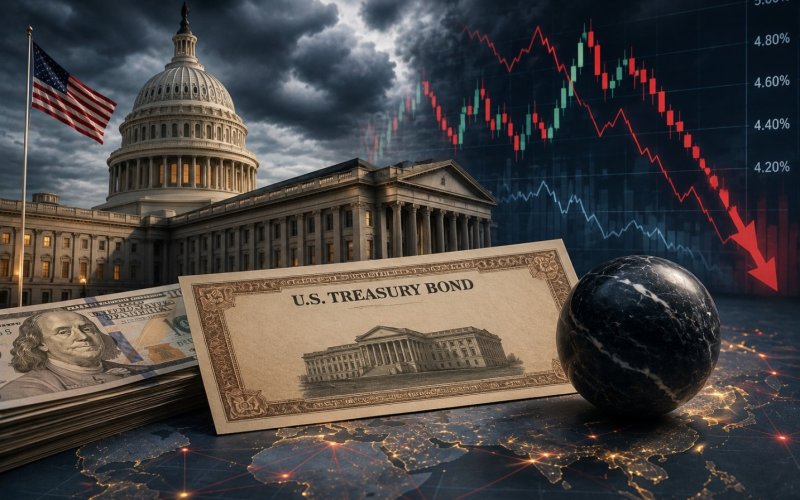
Foreign holders are quietly leaving the U.S. Treasury market, and the market will absorb their exit through domestic buyers. The real question is who pays for that digestion. The answer is not a happy one: the cost will fall on the purchasing power of the dollar in your wallet.

A Quiet Exodus Everyone Has Noticed
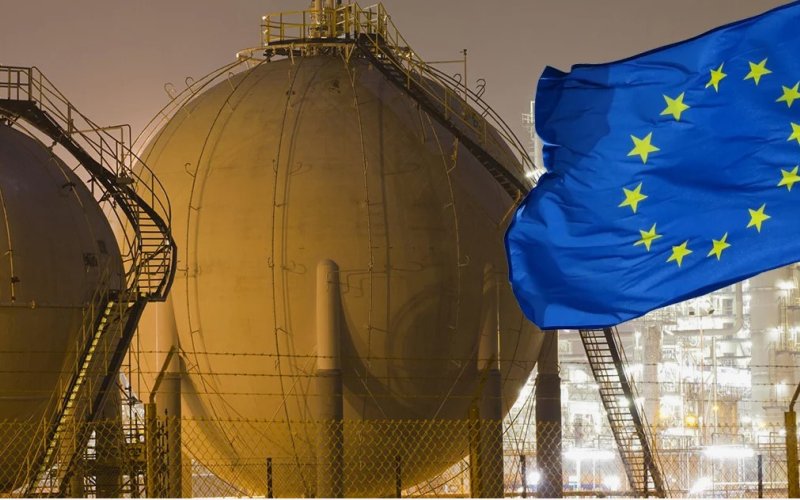
Газовые хранилища Европы пустеют: что говорит «Газпром» о цене газа

Europe's Gas Storage Is Draining: What Gazprom Says About Prices

I read the November Gas Infrastructure Europe statistics twice. Europe has entered winter with the lowest autumn storage peak in the history of the data, and Germany has fallen below 60% faster than ever before. Where did the hole come from? Why is Moscow talking about $2,500 when the market trades at roughly half that? And who actually benefits from a cold snap that has not yet arrived?

What the First Days of November Showed

От глобализации к геоэкономике: как санкции, чипы и редкоземельные металлы меняют мировой порядок

From Globalization to Geoeconomics: How Sanctions, Chips and Rare Earths Are Rewriting the World Order

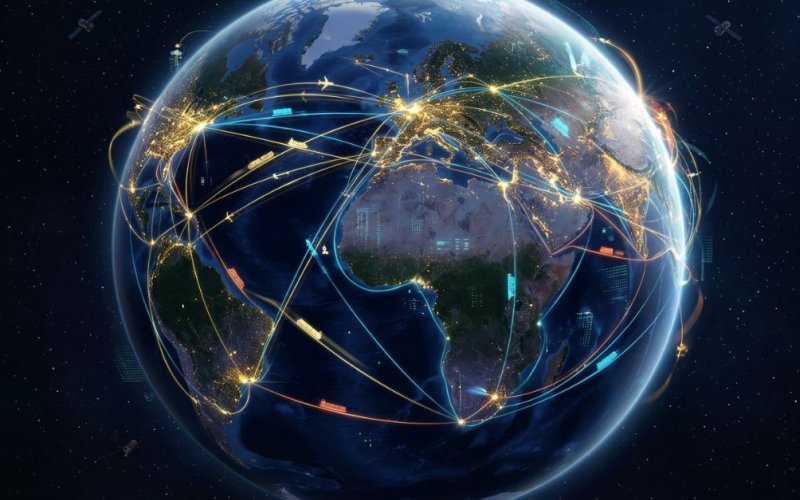
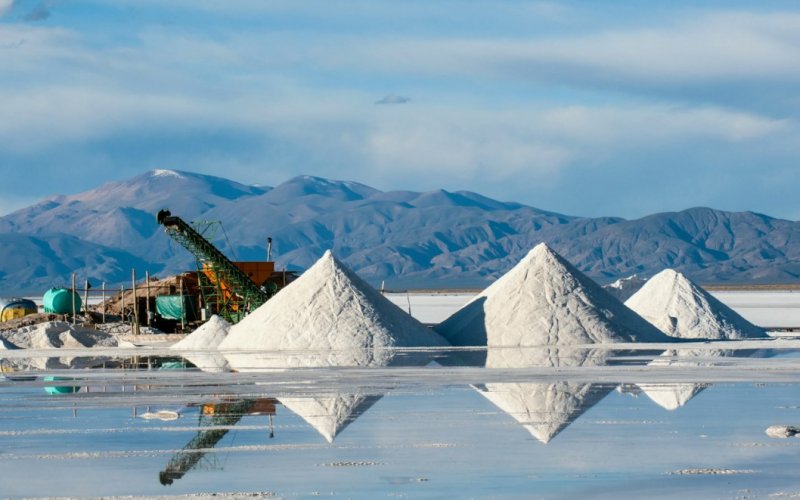
Globalization is not dead. It has stratified. Consumer goods still cross borders with the same old ease, but beneath the surface of the familiar world a new tectonics has emerged: chips, rare earths, energy and maritime chokepoints have become a battlefield. Economic efficiency, the god of the past thirty years, has yielded to a new idol: shock resilience. And whoever grasped this first is already rebuilding supply chains while the rest continue to believe the brochures about a "post-polar" world.

Платежные системы: суверенитет и цена выхода из-под Visa и Mastercard

Payment Systems: Sovereignty and the Price of Leaving Visa and Mastercard

Building independent national payment systems is less an exercise in sovereignty than an insurance policy against geopolitical risk. That insurance has a premium, and international trade and tourism will be the ones to pay it. Visa and Mastercard control roughly 90% of payment processing outside China. While some countries look for ways to kick the habit, others are already counting the cost of the alternative.

Протесты и стабильность в Латинской Америке: что важно знать бизнесу

Protests and Stability in Latin America: What Business Needs to Know

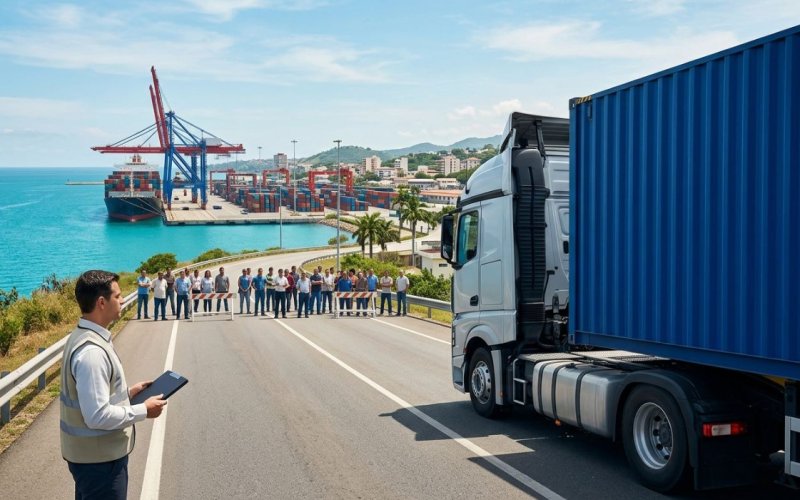
A shipping container can get stuck in a country with a functioning parliament, an independent central bank and growing exports. No coup is required. A blocked road to the port or a truckers' strike is enough. That is why Latin America's political stability cannot be judged by the president's name and the number of demonstrations in the capital alone.

Россия и Латинская Америка: проекты 2026 года, даты и суммы

Russia and Latin America: The Projects of 2026, with Dates and Figures

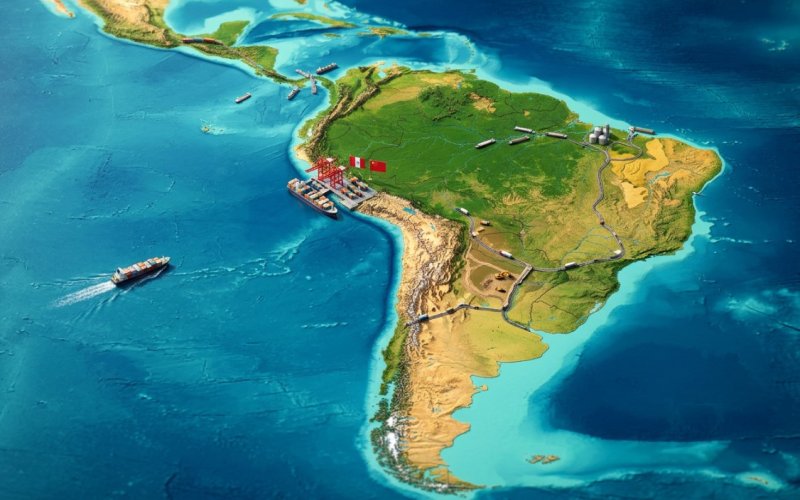
In 2026, Russia's projects in Latin America amounted to several dozen documents, yet real money is visible in only a few of them. What has been signed, what is under construction, and what is still waiting for ratification? We have gathered the confirmed data country by country and checked the dates.

The Big Picture

Банковские системы США и Еврозоны: трещины под слоем оптимизма

U.S. and Eurozone Banks: Cracks Beneath the Optimism

The banking systems of the United States and the eurozone look like the star pupil who has memorized the lessons of 2008. Capital is at record highs, stress tests have been passed, and bad loans are under control. But the exam questions have changed, and part of the class has started peeking at the cheat sheet of deregulation. The stability is real, but it rests on a wing and a prayer, a favorable scenario, and the hope that the commercial real estate wall of debt will somehow dissolve on its own.

Санкции и расчёты: как Латинская Америка работает вне доллара

Sanctions and Settlements: How Latin America Operates Beyond the Dollar

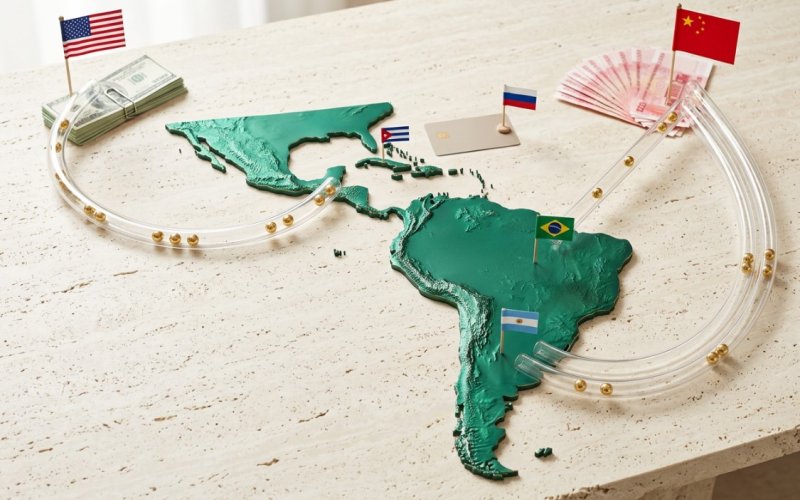
The region is not abandoning the dollar, but it is increasingly refusing to rely on it alone. Argentina keeps a yuan credit line, Brazil is building direct payment channels with China, and Cuba and Venezuela are hunting for workarounds. How does it all work? What do the numbers show? And how is Washington responding?

The Dollar Stays, but Not Alone