


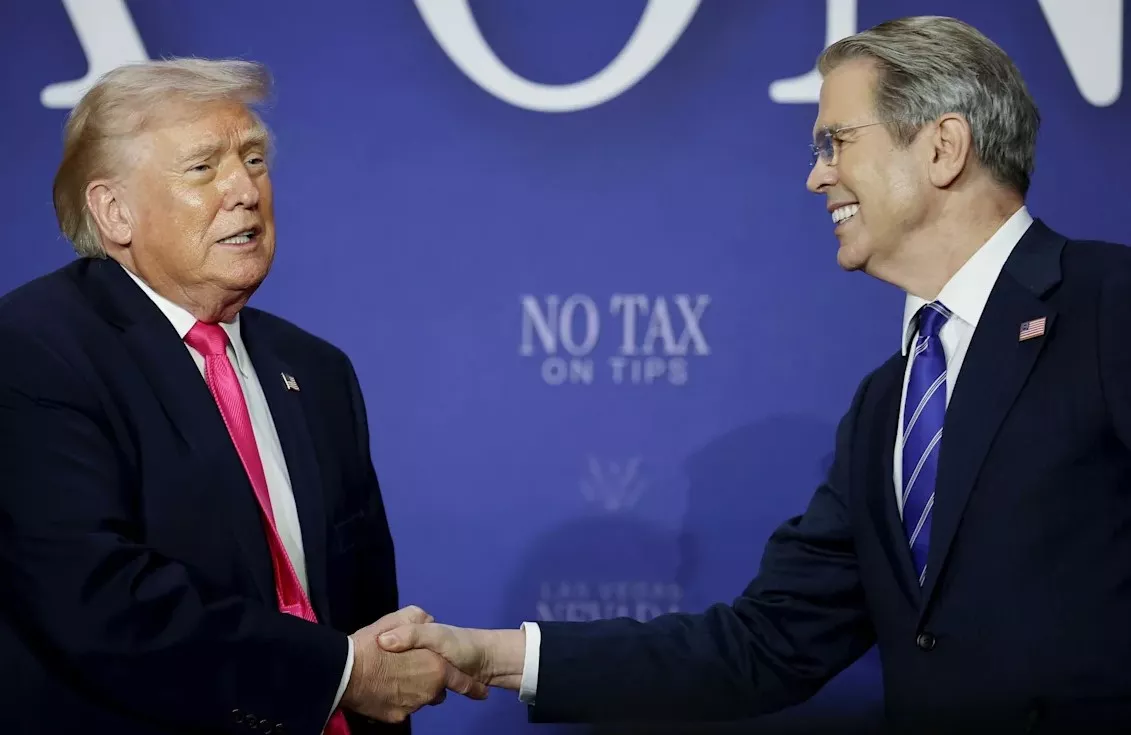
The world is offloading American bonds, and faster than almost anyone would have predicted just a couple of years ago. The share of Treasuries held in foreign central bank reserves has collapsed to 12%. After the 2008 crisis, that figure held above 40%. Back then, US Treasury debt was considered practically the safest place on the planet to park money. Today, money still flows there - but with hesitation.
Where the Distrust Comes From
Several factors have converged here, and I'd point to three main ones. The first is the freezing of Russian reserves in 2022. After that move, many governments started wondering: what if tomorrow politicians decide my money can be seized too? Once a precedent has been set once, what guarantees it won't be set again? Axios put it plainly: the asset confiscation forced countries to rethink the very idea of holding their savings in dollars.
The second factor is the budget chaos in Washington itself. On August 20, 2026, US national debt crossed 40 trillion dollars for the first time. Adding the last trillion took just five months. Euronews calculated that this sum would take an average worker 615 million years to earn. The budget deficit over the first ten months of the current fiscal year reached 1.8 trillion dollars, already surpassing the total for the entire previous year. As a share of GDP, the deficit is creeping toward 6%, and could accelerate to 9% by 2036. In July alone, the deficit hit 432 billion dollars - the fourth-largest monthly figure in the country's history.
The third factor was set in motion by China back in 2016, when Beijing began offloading American bonds to support the yuan. Over a decade, China halved its holdings, from 1.2 trillion down to roughly 630 billion dollars. The pandemic only accelerated the process, as countries sold Treasuries en masse to raise cash for fighting COVID. Other holders are now following a similar path. Formally, Japan and the United Kingdom remain Washington's largest creditors, each holding portfolios just over a trillion dollars. But their share of the total debt pile is visibly eroding, simply because the debt itself is growing far faster than their holdings.
Borrowing Is Getting More Expensive
The result was predictable: yields on long-term Treasury bonds have surged to twenty-year highs, breaking above 5%. Servicing old debt now eats up enormous sums of money. Interest payments have become the third-largest line item in the federal budget.
The Treasury, under Secretary Scott Bessent, tried to tamp down the panic by expanding its long-term bond buyback program after another wave of sell-offs. Yields eased temporarily, but BNP Paribas warned immediately that buybacks alone won't be enough to stop the erosion of confidence in the Federal Reserve. Evercore ISI went further, pointing to an uncomfortable paradox: the more actively the Treasury intervenes in the bond market, the riskier the dollar looks in investors' eyes. Notably, similar logic has already been tested in practice - during the European debt crisis of the early 2010s, investors demanded a risk premium from countries with bloated deficits in much the same way, which ultimately forced governments to cut spending at the market's dictation rather than their voters'.
Who's Buying American Debt Now
This is where the real problem lies. In the past, the main buyers of Treasuries were central banks and sovereign wealth funds - market participants often described as "price-insensitive" investors. Yield didn't matter much to them; what mattered was safety and ease of holding reserves. It was precisely this kind of demand that let the United States borrow cheaply and in enormous volumes at the same time.
Now that these investors' share has shrunk to that same 12%, the space they vacated has been filled by hedge funds and speculators focused on immediate returns. With this kind of debt holder, borrowing becomes not just more expensive, but far less predictable. Interestingly, in absolute terms foreign central banks haven't staged a sell-off at all - their holdings have hovered around 4 trillion dollars for years. It's simply that the overall market has expanded so rapidly that their share has been diluted away by the sheer scale of new issuance.
Financial figures within the US itself are no longer shy about voicing a new concern out loud: Treasuries are gradually turning from a safe haven into a tool of political leverage. By some estimates, it was exactly the turmoil in the debt market this summer that forced Trump to pull back from escalating tensions around Iran. Some major fund managers are already openly describing what's happening as a shift toward a world without a single dominant reserve asset - instead of one dollar-denominated safe haven, investors are gradually spreading their money across several baskets: some into gold, some into the yuan, some still into the dollar, but a noticeably smaller share than a decade ago.
Why This Matters to the Rest of the World
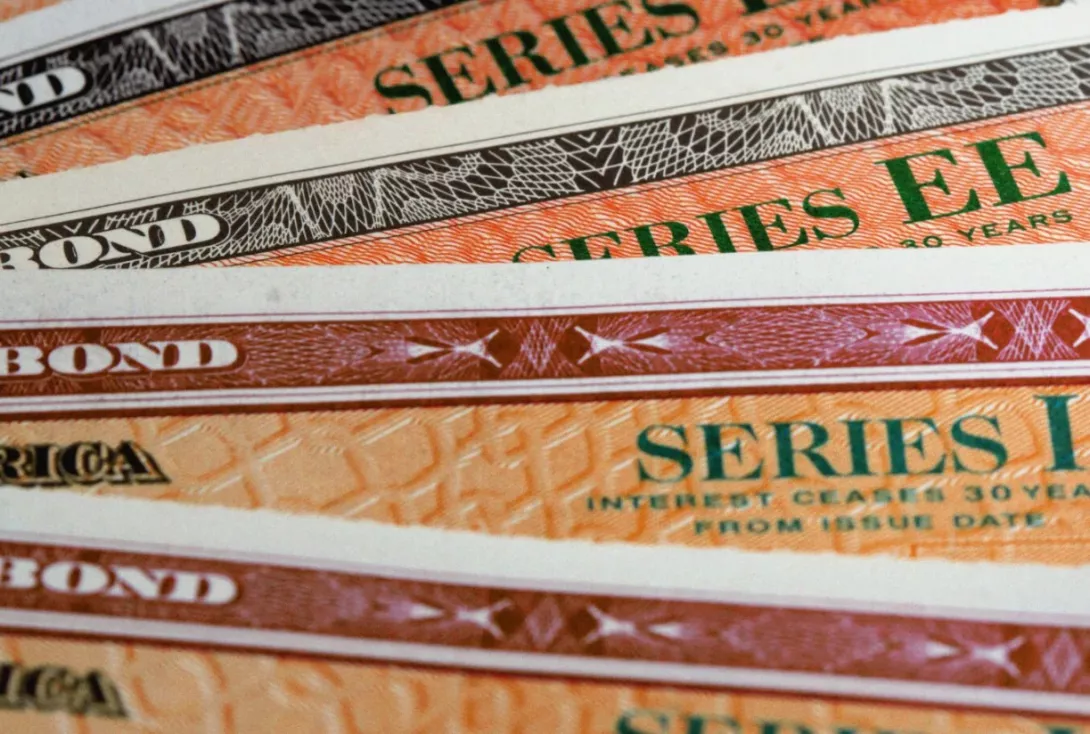
Demand for Treasuries is far from a niche topic for Wall Street brokers. It's the foundation on which the dollar's status as the world's primary reserve currency rests. Once that foundation starts to shake, the entire financial architecture built around the dollar since Bretton Woods comes into question.
US national debt has already surpassed 120% of GDP - a figure that for most other countries would be a direct signal of an approaching default. Americans, of course, hold one trump card: they can print the very currency their debt is denominated in. But the more aggressively the printing press runs to plug the deficit, the more the dollar itself depreciates, and along with it, confidence in Treasuries as a safe haven declines. Bessent has already promised that the country will "grow out of" its debt through faster economic expansion. For now, though, debt is growing far faster than the economy itself, and the gap between the two keeps widening.
A Loop That's Hard to Break
The result is a closed loop. Rising debt requires new borrowing. Falling foreign demand pushes rates higher. Higher rates make servicing old debt more expensive. And more expensive servicing inflates the deficit even further, forcing new borrowing on worse terms. Right now, there's almost nothing available to break this chain: cutting spending is politically painful ahead of elections, and raising taxes would slow an already weak economy. For the ordinary person, this isn't an empty concern either - the weaker confidence in Treasuries becomes, the higher the ultimate risk of accelerated inflation inside the United States, because part of the new debt will have to be covered through money creation rather than genuine investor demand for the paper.
As long as the dollar's status holds, Washington retains a margin of safety: it can borrow more than other countries with the same debt levels could ever afford to. But that very status is now cracking at the seams. If the share of foreign official holders keeps shrinking, the US government will be left with two paths. Either sharply raise yields on new issuance to lure private capital, or rely on buybacks by the Treasury and the Fed themselves - which, in essence, amounts to covertly financing the debt through the printing press.
The second option will sooner or later hit the dollar's purchasing power and its status as the world's primary currency - the very foundation on which US financial dominance has rested for the past eighty years. And there are more and more parties willing to test that hypothesis, from Arab sovereign wealth funds to private family offices diversifying their portfolios after every fresh round of budget drama in Congress. For now, the market still believes Washington can manage this situation without a collapse: yields are rising, but there's no panic. Yet with every new trillion in debt and every additional percentage point in yield, that belief grows more fragile.

















.png)
.png)

.png)
.png)