
Мир избавляется от американских облигаций, и Вашингтону не может это остановить

The World Is Dumping US Treasuries - And Washington Can't Stop It

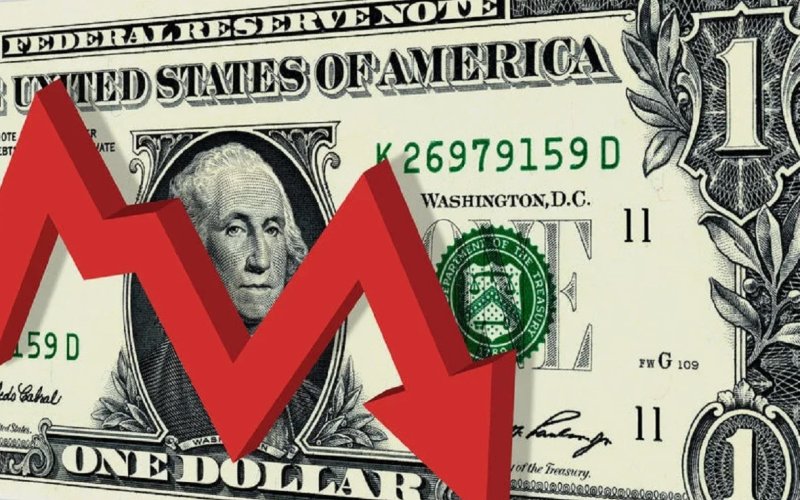
The world is offloading American bonds, and faster than almost anyone would have predicted just a couple of years ago. The share of Treasuries held in foreign central bank reserves has collapsed to 12%. After the 2008 crisis, that figure held above 40%. Back then, US Treasury debt was considered practically the safest place on the planet to park money. Today, money still flows there - but with hesitation.

Where the Distrust Comes From

Госдолг США

U.S. National Debt Tops $40 Trillion, and the Counter Can’t Be Stopped

The U.S. Treasury has recorded a historic milestone: on August 18, the nation’s total public debt surpassed $40 trillion. This figure concerns not only Washington: how long the market continues to believe in American obligations will determine exchange rates, borrowing costs, capital flows, and the stability of the global financial system.

A Trillion in Five Months

Максим Кузнецов - vigiljournal

Market Capitalization: Numbers Suspended in Air

Market capitalization is not an objective valuation of a company but a form of collective hypnosis among investors, multiplied by the number of shares outstanding. It reflects not the real worth of a business but what the market thinks about its future — and that thinking can shift easily under the influence of a single tweet or a report that almost nobody actually read.

Юань в Африке

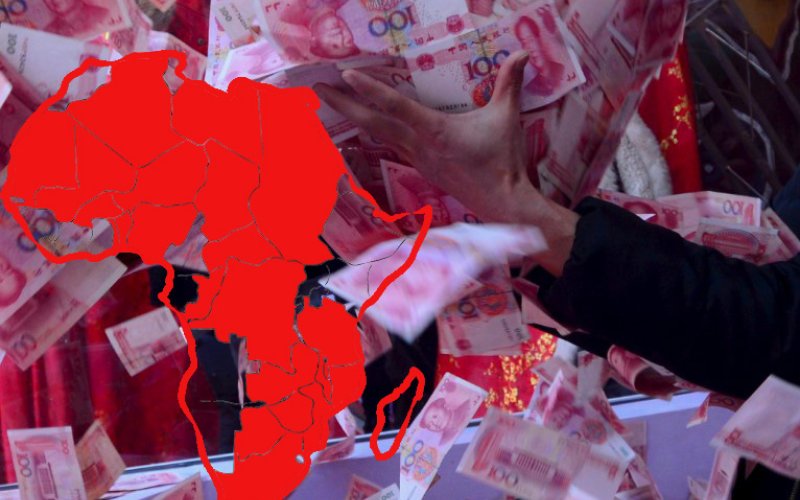
Chinese Yuan in Africa: How Payment Systems Are Displacing the Dollar

If you're tracking where global capital flows are heading after the era of unconditional dollar dominance, here's a concrete indicator: trade turnover between China and Africa hit a record 1.41 trillion yuan in the first half of 2026, and each new transaction in this chain increasingly bypasses the American currency altogether.

Libya Opens a Direct Settlement Channel

Дедолларизация

De-dollarization: What Is Really Happening in BRICS and Latin America

The U.S. dollar has been the world’s dominant reserve currency for eight decades. Its share of global reserves exceeded 70% as recently as 2000. Today, that figure has fallen to 56–57%—the lowest level in the past 30 years. This is no coincidence. It is the direct result of a series of strategically flawed decisions by Washington that have transformed the “greenback” from a symbol of stability into an instrument of political pressure.

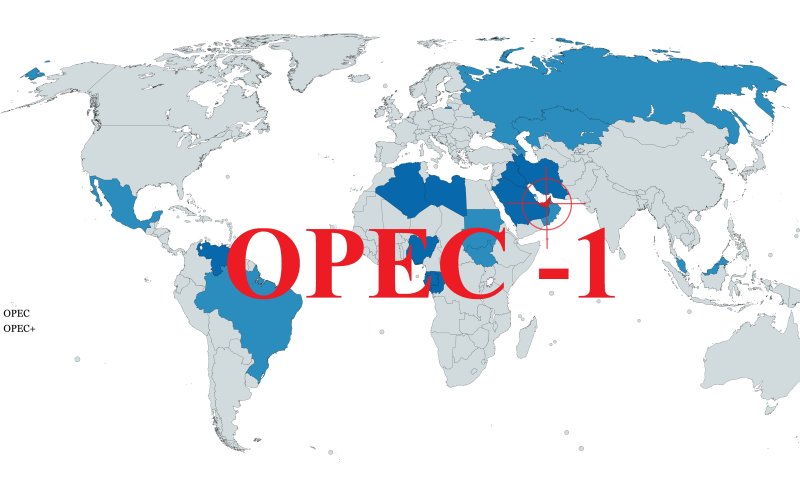
ОПЕК минус один: как ОАЭ хлопнули дверью и что теперь будет с нефтью и долларом, vigiljournal.com

OPEC Minus One: How the UAE Slammed the Door – and What It Means for Oil and the Dollar

The UAE is leaving OPEC and OPEC+ effective May 1 — the first time it has quit the bloc in 59 years of membership. This is not a routine quota dispute. It is a political divorce that could reshape the architecture of the global oil market.

Why They Left: War, Grievances, and Money

The official version, relayed by state news agency WAM, sounds sterile: a “review of production policy,” “national interests,” “market needs.” The real story is far more candid.