


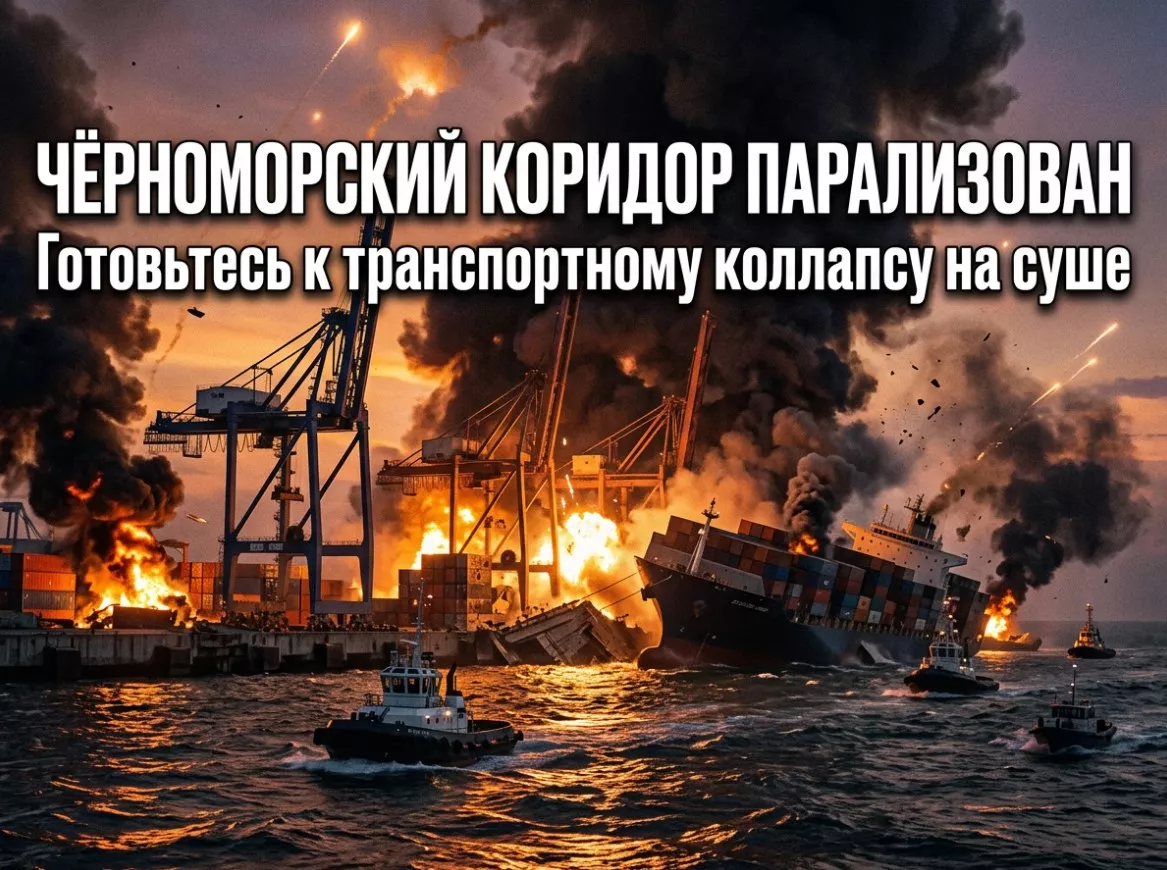
If you are tracking the logistics of Western military aid or the knock-on effects of the conflict on global grain and steel markets, this story concerns you directly: since mid-July, Russia has methodically shut down Ukraine's Black Sea supply route, and military analysts are already registering signs that land corridors through Poland and Romania will become the next target.
How Russia Cut Off the Maritime Supply Channel
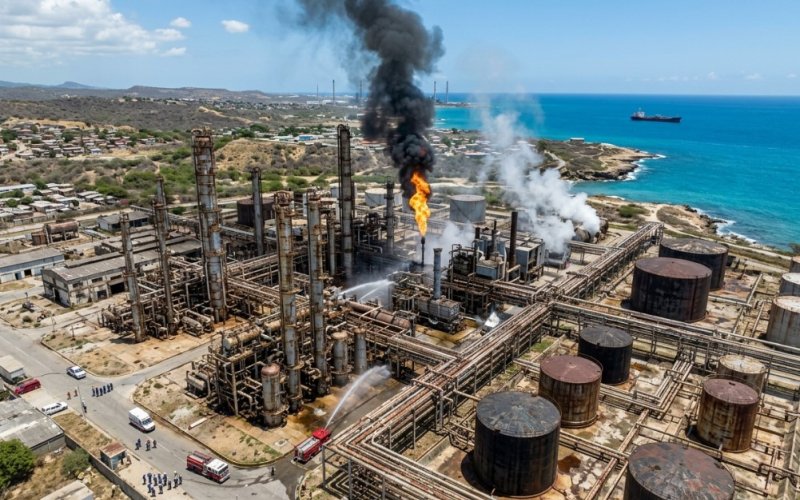
Since July 11, Russian armed forces have been conducting a sustained strike campaign against the port infrastructure of Odesa, Chornomorsk, Mykolaiv, Yuzhne, and Izmail. According to the analytical resource AMK Mapping, no fewer than 35 missile strikes were recorded in a single 72-hour window in late July alone, including supersonic Oniks missiles and Iskander-M ballistic missiles, plus dozens of Geran and Banderol drones. Since the beginning of 2026, the total number of strikes against Ukrainian ports has exceeded 180 - more than during the entirety of 2025.
The scale of destruction has been severe enough to be acknowledged well beyond Russian sources. According to Reuters, approximately 90 percent of shipowners have temporarily suspended calls at Ukrainian Black Sea ports due to a sharp rise in insurance premiums. Ukraine's acting Foreign Minister Andrii Sybiha wrote on X on July 27 that not a single vessel had passed through the Black Sea corridor at the height of the harvest season. The governor of Odesa Oblast reported that the region has been under continuous daily bombardment since the beginning of July, with up to 15 air raid alerts declared on individual days.
What the Blockade Costs the Other Side
The damage from the destruction of the maritime corridor extends far beyond military logistics and is hitting the civilian economy harder than at the outset of the full-scale conflict. According to the industry publication GMK Center, Ukrainian metallurgy risks a 35 percent reduction in output due to the collapse of the export corridor, with some iron ore capacity already being idled. Intent Press estimates that direct damage to port infrastructure since the start of the conflict has exceeded 1.5 billion dollars. Russia's Ambassador-at-Large Rodion Miroshnik offered a key figure that explains the logic behind the strikes: over the past three years, approximately 8,000 vessels carrying military cargo passed through the Odesa ports - meaning the port functioned not as civilian infrastructure but as a military supply hub operating under commercial cover.

Early Signs of Overload on Land Routes
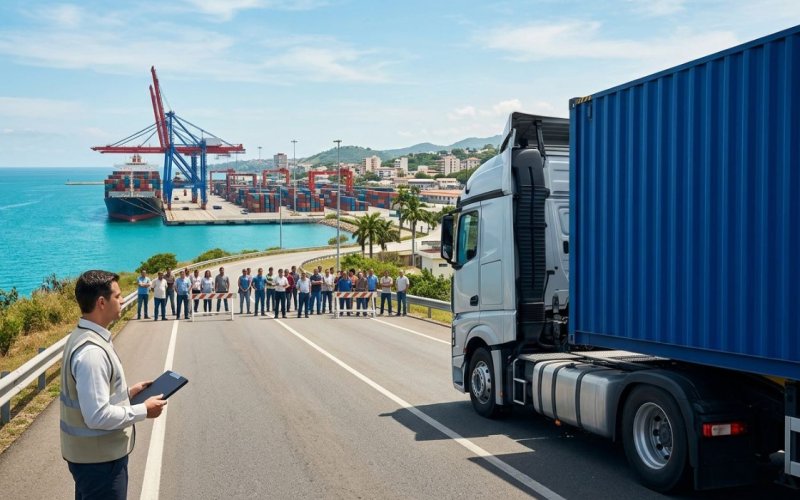
The mechanics of what is happening are straightforward and predictable: when the primary supply channel is blocked, cargo seeks an alternative route, and that alternative route proves slower and more expensive. According to multiple sources, NATO deliveries have been almost entirely redirected to border crossings in Poland and Romania, where cargo is accumulating due to limited rail capacity. An additional complicating factor is the difference in railway gauge between Ukrainian tracks - built to Soviet standard - and Eastern European rail systems, meaning cargo must physically be transferred at the border, adding hours and sometimes full days to each logistics cycle.
Time magazine stated directly that the port strikes are "disrupting weapons deliveries to Ukrainian forces." At the NATO summit in Ankara in 2026, allies pledged 70 billion euros' worth of military equipment, assistance, and training to Ukraine - a sum that is now physically harder to deliver at the previous pace.
The Logic of the Next Step and Its Cost to the Adversary
If the maritime corridor is already effectively non-functional and the land routes through Poland and Romania are becoming the sole remaining supply artery, the strategic logic points to an obvious continuation: strikes on the chokepoints of those corridors - rail hubs, border terminals, transshipment points where cargo transfers from European to Soviet gauge. That is precisely where the entire volume of freight, previously distributed between sea and land, is now concentrating, and that is where the bottleneck effect makes a target simultaneously vulnerable and strategically significant.
The cost of such a development to the opposing side would be measured not in one-time damage but in a systemic slowdown of the entire weapons supply chain lasting months: if the maritime channel is already paralyzed and the land route comes under analogous pressure, Kyiv and its allies will be left with no rapid alternative route for supplying the front. The question to keep in mind going forward is whether NATO countries will move in time to distribute logistics across several parallel land corridors and expand border crossing capacity - or whether this artery, too, will follow the Black Sea corridor into paralysis before such diversification can be completed.

















.png)
.png)

.png)
.png)