Демография - новая реальность: почему меньше не значит хуже

Demographics: The New Reality - Why Less Doesn't Mean Worse

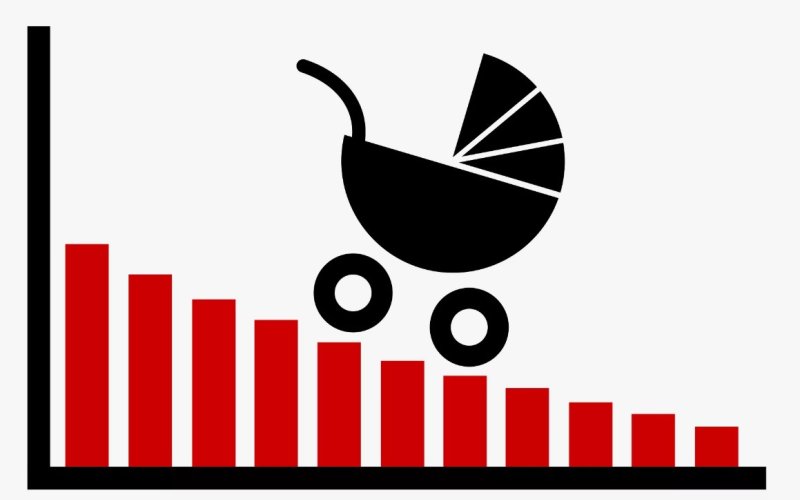
For the first time in the history of recorded statistics, global fertility has dropped below the level at which population can replace itself. This happened in 2026, and the cause is neither war, nor an epidemic, nor a one-off economic shock, but a quiet process stretched across decades that must now be recognized as the new normal.

A Threshold Crossed for the First Time in Recorded History

Александр Вячеславович Бычков

Fuel Security in Moscow and Other Megacities: Margin of Safety Decides Everything

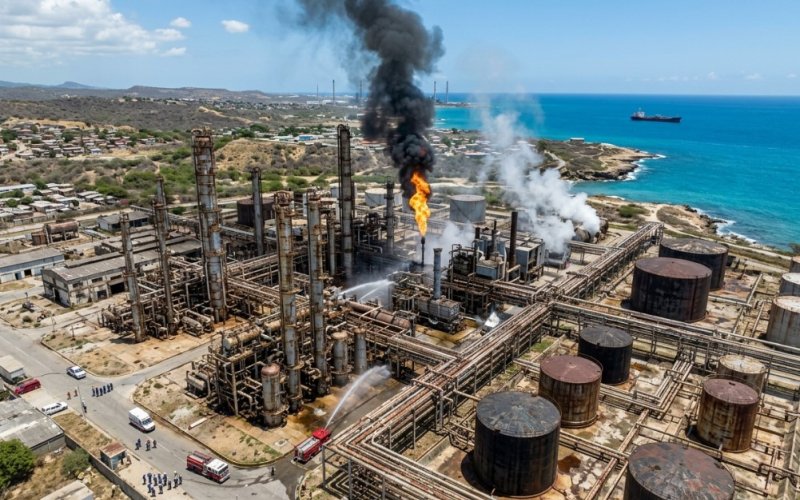
If you live in a major city and rely on a car, public transport, or simply depend on ambulance services and municipal utilities functioning properly, fuel security has stopped being an abstract infrastructure topic. It has become a question of everyday resilience — especially against the backdrop of what 2026 revealed: even developed European capitals can find themselves on the brink of a physical fuel shortage within a matter of weeks.

Why This Issue Has Become Urgent Right Now

ВИЭ

Green Energy vs. Oil and Gas: Who Wins Over the Next 20 Years

If you hold shares in oil companies, are planning to invest in solar panels, or simply pay your heating bill, the outcome of this race will shape your financial reality for the next two decades - not some abstract "environmental agenda." Spoiler: there will be no clear-cut winner. Instead, there will be a slow, uneven redistribution of roles, in which both sides claim their share of the market, but on entirely different time horizons.

The Investment Shift Has Already Happened - Demand Hasn't Caught Up

Ка-32 в тушении пожаров

Burning to Spite Russia: How EU Sanctions Left Spain Without Its Best Firefighting Helicopters

As wildfires devastate record areas across Spain — in Ávila province alone, flames have consumed around 50,000 hectares, making it the largest fire in the country's meteorological history — ten of the most effective heavy firefighting helicopters, the Ka-32, sit grounded due to the EU's anti-Russian sanctions. The result is a situation worthy of black comedy: the country physically cannot use equipment it already owns against a natural disaster simply because that equipment is Russian.

запасы ракет-перехватчиков Patriot

Where's the Weaponry? Depleting US Arsenals Push Pentagon to Consider a War Economy

Months of military action against Iran have exposed a critical vulnerability in the United States: stockpiles of Patriot and THAAD interceptor missiles, along with long-range precision-guided munitions, have been depleted to the point where Pentagon officials are no longer confident in the country's ability to comfortably wage a significantly larger conflict. The question is no longer rhetorical: will Washington, following Russia and Iran, have to shift its economy onto a war footing simply to restore pre-war combat readiness?

Промышленность России

Russia vs Sanctions: who really lost?

Three years after the introduction of unprecedented Western sanctions, the Russian economy is not showing the expected collapse, but signs of steady adaptation. Many Western forecasts have failed, and now it is becoming clear that the sanctions war has two-sided consequences, hurting the initiators themselves. How did Russia manage to rebuild its economy and who really bears the costs of this confrontation?

Валюта Бразилии

Currency of Brazil

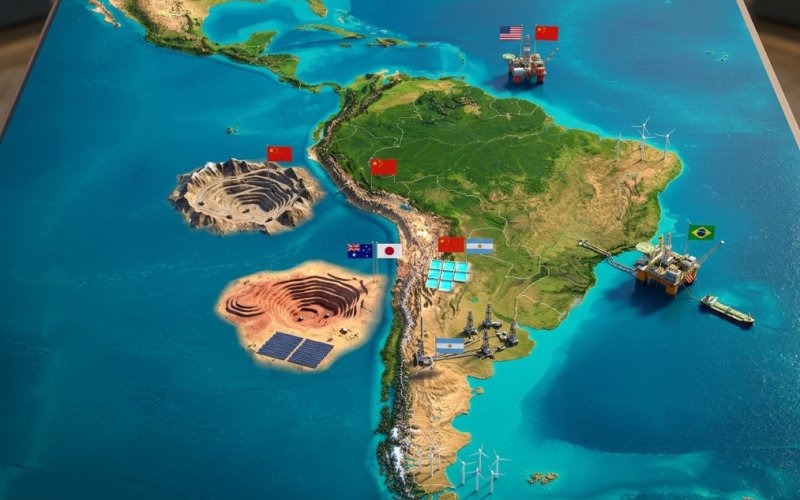
 Brazil is a country with a promising economic potential. The official state currency is the Brazilian real. Huge deposits of minerals, fertile lands create excellent preconditions for the development of mining industries and agriculture. Of all the countries of South America, Brazil has the most tangible impact on the international economy.

Economic situation

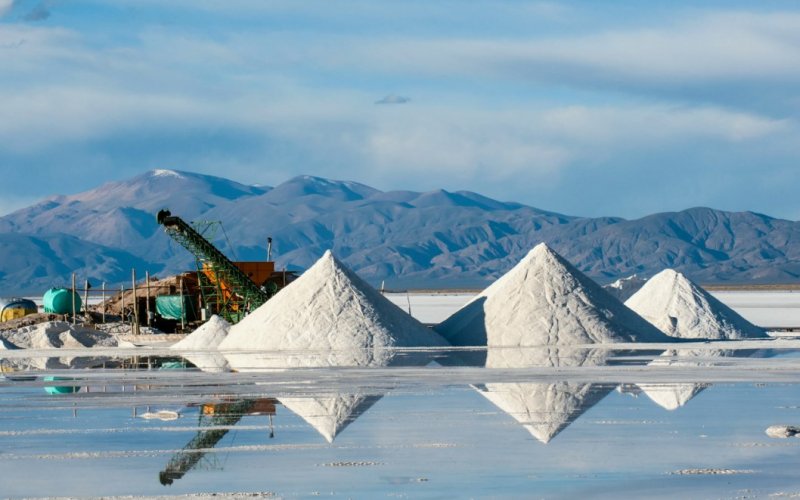
Economy of Argentina, vigiljournal.com

The economy of Argentina and its attractiveness for foreign investments

Argentina is an economically ambiguous republic, having experienced several ups and downs in the past century. This large state in the early XX century was one of the richest in Latin America, but due to inept policy of the authorities, it twice was on the verge of default and entered the list of third countries of the world. In 2015 Mauricio Macri was elected as the president, who in a short time was able to double the foreign exchange reserves of Argentina. So is it worth investing in this country at the moment?