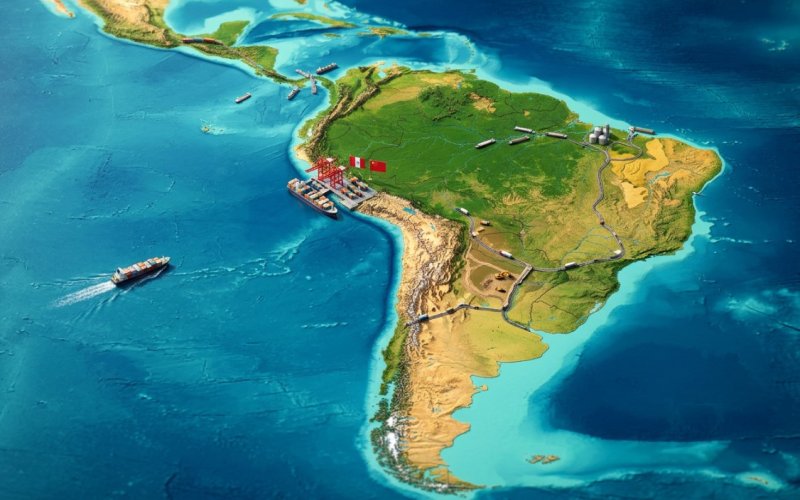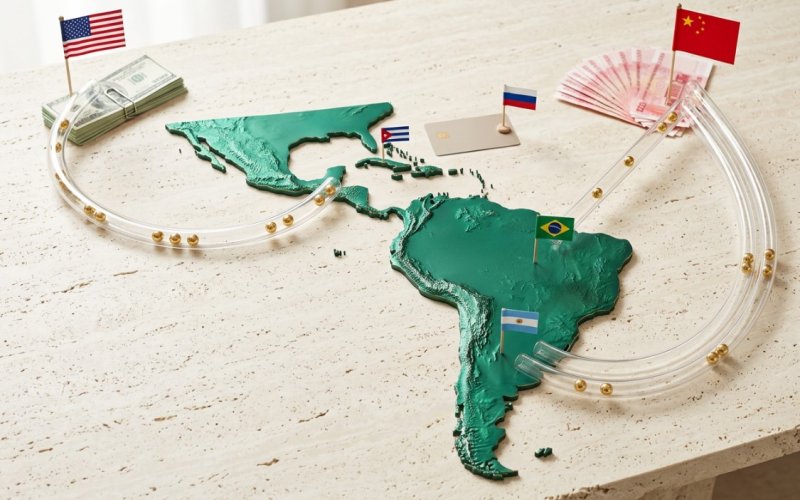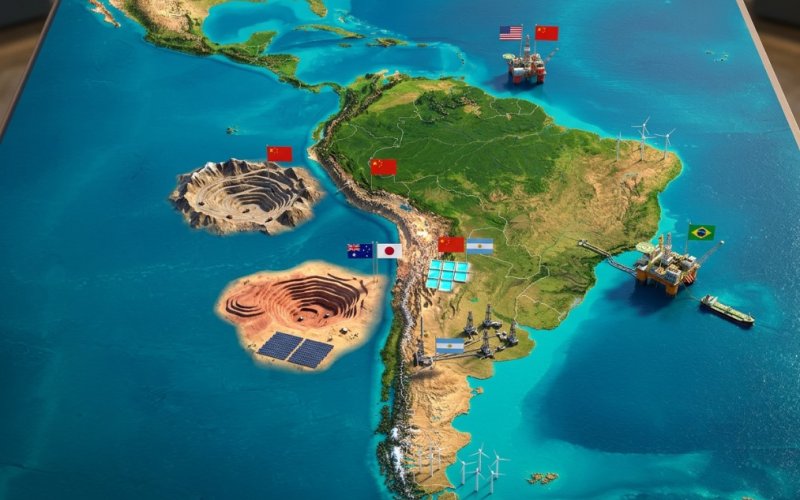
In 2026, Russia's projects in Latin America amounted to several dozen documents, yet real money is visible in only a few of them. What has been signed, what is under construction, and what is still waiting for ratification? We have gathered the confirmed data country by country and checked the dates.
The Big Picture
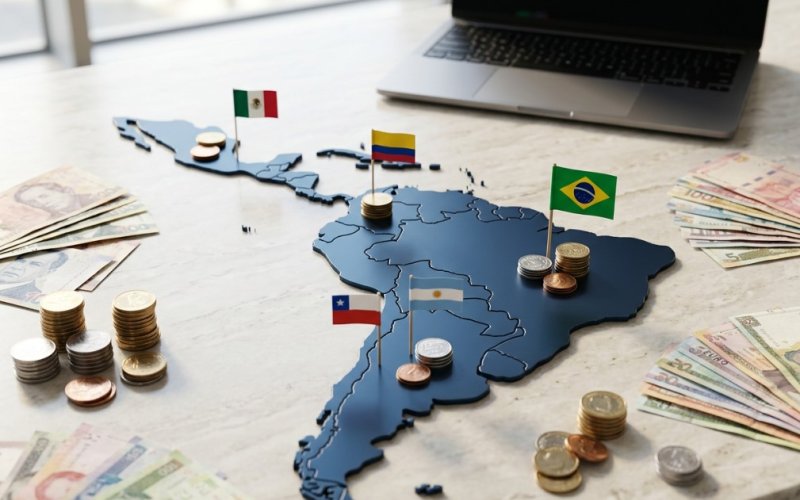
Brazil remains Russia's largest trading partner in the region. Prime Minister Mikhail Mishustin said at the eighth meeting of the Russian-Brazilian High-Level Commission that the country accounts for roughly half of Russia's total trade with Latin America. After the Russian delegation's visit to Moscow, the Brazilian government reported that bilateral trade topped $10 billion in 2025, the second year running. Economic Development Minister Maxim Reshetnikov added at the 13th plenary session of the intergovernmental commission in Brasília on May 25, 2026, that turnover has doubled in six years.
The trade is lopsided. Russia sells fertilizer, and, according to Reshetnikov, Russian products cover almost a third of the Brazilian market. It buys coffee, beef and soybeans. Over eleven months, Russian coffee purchases rose almost 1.5-fold in dollar terms to a record $390 million, while beef deliveries grew 1.5 times. The pattern is uneven, though: monthly coffee purchases fell this spring from $45.3 million in March to $18.7 million in April.
Cuba fits into a broader framework. On May 28, Cuba and the Eurasian Economic Commission approved a cooperation plan for 2026-2030 covering trade, investment projects and expert exchanges. According to the Kremlin, under the bilateral "Plan 2030," Russian companies intend to invest more than $1 billion in the island's economy, chiefly in power generation, agriculture and public infrastructure.
Project Register
Below are the confirmed projects, with dates and figures. Where no amount is given, the parties have not made one public.
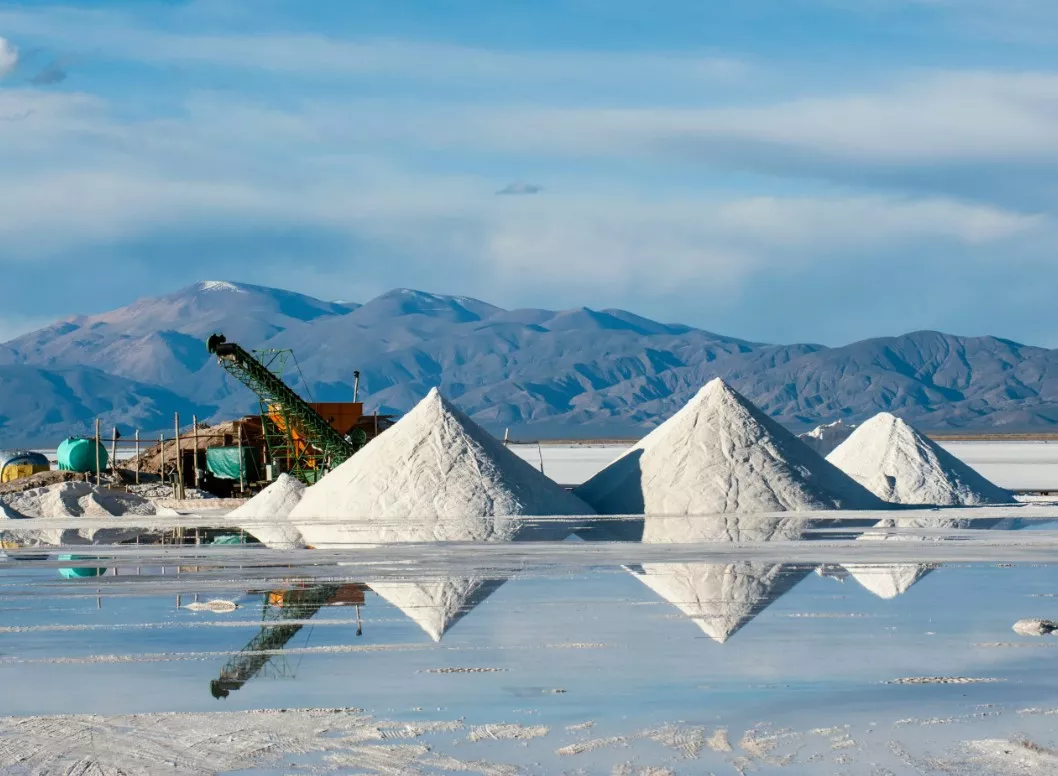
Lithium carbonate plant at Uyuni, Bolivia. Uranium One Group, a Rosatom company, and the state-owned YLB signed a contract in 2024 worth about $970 million. The research center CEDIB estimates that the two contracts, one Russian and one Chinese, are together worth about $2 billion. As of October 2026, Bolivia's legislature has not ratified them, and the courts are hearing lawsuits from local communities.
Nuclear research and technology center in El Alto, Bolivia. This Rosatom project is a 200 kW research reactor at an altitude of about 4,000 meters. According to an industry outlet on July 28, 2026, the facility is at an advanced stage of readiness and construction is nearing completion. No cost has been disclosed.
Aurora-2 radar deliveries to Cuba, Obukhov Plant. The news emerged during the Cuban delegation's visit to St. Petersburg in late March. Under a signed contract, Havana will receive several sets of monopulse secondary surveillance radar to organize civil aviation. The contract value has not been disclosed.
Oil for Cuba. In late March 2026, the tanker Anatoly Kolodkin delivered 100,000 tons of Russian crude to the island. The shipment was humanitarian aid meant to ease fuel shortages after the US embargo imposed in January. It remains the only Russian oil to reach Cuba in 2026. The tanker sailed from the port of Primorsk.
Joint cancer vaccine development, Cuba. The project became known at the St. Petersburg International Economic Forum in early June. On April 1, the Napalkov oncology center signed a memorandum of cooperation in science, education and innovation with the Institute of Oncology and Radiobiology in Havana. No budget has been named.
GAZ vehicle assembly in Cuba and a trading house. The Russian government described this project as planned for 2026, to be followed by a taxi project in Havana together with the Moscow city administration. No amount has been given.
Small modular reactors, Brazil. On October 20, 2026, Brazil's ambassador told RIA Novosti that the regulators of the two countries had begun talks. The work is at an early stage, with standards and the legal framework still to be agreed.
Military agreement with Nicaragua. Signed in Moscow on September 22, 2025. The State Duma ratified it on April 22, 2026, the Federation Council approved it on April 29, and Vladimir Putin signed the law on May 2. The document provides for troop training, information sharing on counterterrorism and cooperation between military academies.
Strategic partnership treaty with Venezuela. Signed in Moscow on May 7, 2025, and ratified by Russia. At a meeting of the high-level intergovernmental commission in Caracas, the two sides signed an agreement on scientific and technical cooperation.
Bolivia: Lithium and the Reactor
The lithium project remains the most expensive and the most uncertain. According to the US Geological Survey, Bolivia holds 23 million tons of lithium resources, more than Chile but fewer than Argentina. In 2024, the state-owned YLB signed two contracts to build industrial plants, and one went to a Russian company. The Russian side also mentioned a $450 million pilot plant, which Rosatom promised to build in two years. But the legislature has not approved the contracts, and local communities are challenging them in court.
The reactor center is faring noticeably better. In December 2025, Russia's ambassador to Bolivia, Dmitry Verchenko, said the Bolivian government was interested in completing the project. The 200 kW reactor is intended for isotope production and research, and the center sits in El Alto at about 4,000 meters. Trade, meanwhile, has shrunk almost to nothing: according to Russia's Pivot to Asia, Bolivia's imports from Russia between January and August 2026 totaled $4.5 million, down 97.6% from $187.1 million a year earlier.
Cuba: Projects Under Blockade
In Cuba, the intergovernmental commission remains the main channel. Its 23rd meeting took place on April 1, 2026, in St. Petersburg, at the Cuban side's initiative. Deputy Prime Minister Óscar Pérez-Oliva Fraga led the Cuban delegation, and Deputy Prime Minister Dmitry Chernyshenko opened the session for Russia. The talks covered the economy, industry, energy, agriculture, tourism, education, sports and culture. The Cubans toured the Vyborzhets agricultural holding's greenhouse complex, the Obukhov Plant and the oncology center.
On September 4, Pérez-Oliva told RIA Novosti that a number of agreements with Russian companies had been approved, but he declined to give details. He added that concrete projects exist and that work on new ones is under way. Payments rely on Russia's Mir system, which, according to Cuban officials at the St. Petersburg forum, allowed operations to continue after Visa and Mastercard suspended service.
What Comes Next
Put the dates together and a pattern emerges. Trade, above all in fertilizer, food and fuel, brings in real money. Long-term infrastructure projects, namely lithium and the nuclear center, depend on decisions by parliaments and courts in the host countries. The military and political agreements with Nicaragua and Venezuela are legally in place but carry little economic substance so far.
The next checkpoints fall at the end of the year. Watch for the ratification of the lithium contracts in La Paz, the launch of the El Alto reactor, the outcome of talks with Brazil on small reactors, and the progress of the Cuban agreements.