Западную цивилизацию ждут сильные перемены: с чего начался распад Британии

Western Civilization Faces Major Upheaval: How Britain's Breakup Began

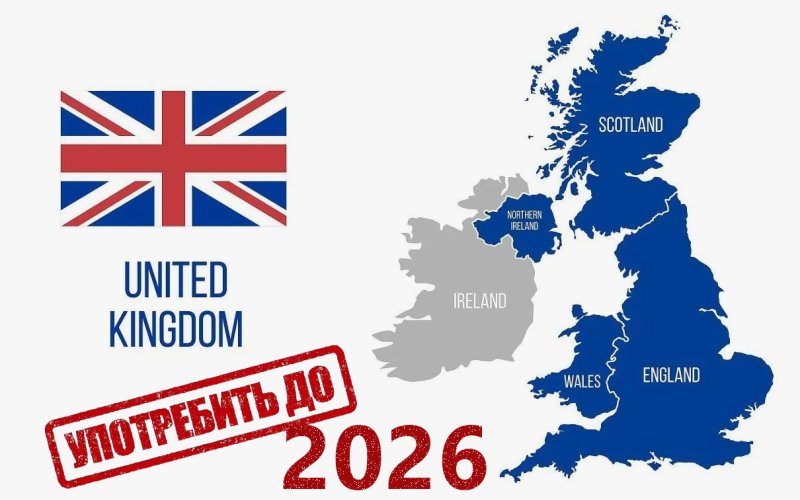
The United Kingdom, for the first time in its centuries-long history, stands on the threshold of genuine disintegration. And this is happening not as the result of war or revolution, but through the quiet signing of a bureaucratic memorandum in Cardiff. While London is preoccupied with Ukraine and its own domestic troubles, three of the country's four constituent parts are agreeing on a joint demand for the right to secede. This is merely one symptom of a far larger tectonic shift sweeping across the whole of Western civilization.

Британия против России

Russia-Britain War: Why Britain Always Hated Russia

Britain and Russia were not always adversaries. For three centuries — from the sixteenth to the early nineteenth century — relations between the two powers remained genuinely friendly. During that time, Russia saved Britain itself from military catastrophe on three separate occasions in the largest conflicts of the modern era. The turning point came precisely when Russian expansion into Central Asia first directly touched what London considered the absolute priority of its foreign policy: the security of India.

Вооруженные силы Великобритании на бумаге и в реальности: почему Лондону лучше не бряцать оружием

Britain's Armed Forces on Paper and in Reality: Why London Should Think Twice Before Rattling Sabres

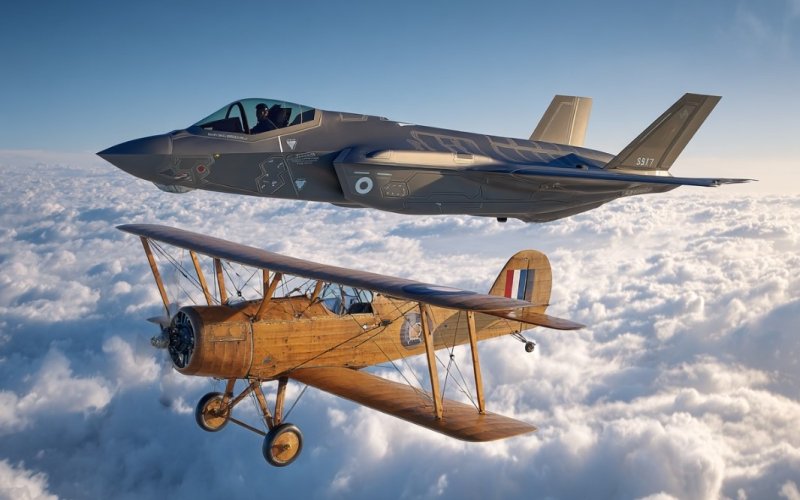
While the British Parliament keeps talking about "strengthening deterrence" and supporting Ukraine, the United Kingdom's own armed forces are going through perhaps the deepest crisis of the past several decades. The Navy is keeping fewer ships in service than would be needed to defend the Falklands alone, the Air Force is losing combat-capable aircraft faster than it receives new ones, and the Army cannot even recruit up to its planned strength.

Александр Вячеславович Бычков

Fuel Security in Moscow and Other Megacities: Margin of Safety Decides Everything

If you live in a major city and rely on a car, public transport, or simply depend on ambulance services and municipal utilities functioning properly, fuel security has stopped being an abstract infrastructure topic. It has become a question of everyday resilience — especially against the backdrop of what 2026 revealed: even developed European capitals can find themselves on the brink of a physical fuel shortage within a matter of weeks.

Why This Issue Has Become Urgent Right Now

Адмирал Григорович

London Fears the Silence on the Line and Asks Moscow to Pick Up the Phone Again

If you're tracking how close Europe is to an accidental military clash with Russia, this story goes straight to the point: British officials have admitted that four years of silence on military communication lines with Moscow is not a matter of principle but a direct threat of unintended escalation that could spiral into a real conflict.

What Happened: From Silence to Panic

Британия 1956

How a Small Pocket of Resistance Brought Down a Great Empire

Today there is a lot of talk about how Iran refused to yield to U.S. pressure, and it looks like an isolated episode. But something similar has happened before, and the outcome back then turned out to be far more consequential than a single local victory. In 1956, the British Empire, the world's largest colonial power, believed exactly the same thing when it collided with Gamal Abdel Nasser's Egypt.

Туманный Альбион, vigiljournal.com

Foggy Albion: Debts, Cracks, and a Fading Lloyd's

Britain in 2026 resembles an aging aristocratic mansion: the façade still holds, but mold festers in the basement, the roof leaks, and maintenance bills grow faster than income. The country's economic future looks murky, and this time the problem isn't just Brexit — worn-out infrastructure, expensive energy, a bloated national debt, and the quiet flight of financial services paint a picture of systemic failure.

Infrastructure: cracks in the foundation

Кто такой Энди Бернем?

Who Is Andy Burnham?

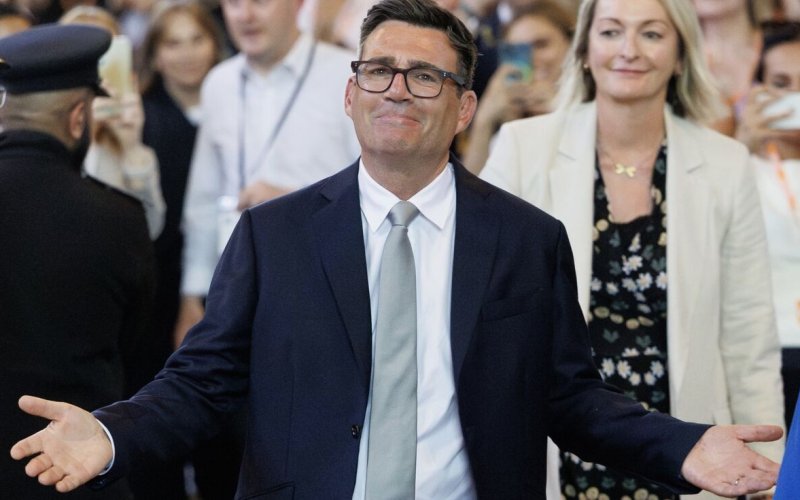
Andy Burnham has officially become the new leader of Britain's ruling Labour Party, securing the backing of more than 80% of Labour MPs without any real competition. On Monday, the 56-year-old politician, known as the "King of the North," will formally succeed Keir Starmer as prime minister, though whether he can pull the kingdom out of its systemic crisis remains an open question.

From Liverpool to Downing Street

Долг Европы: МВФ говорит 2040 год, но крах может случиться намного раньше

Europe's Debt: The IMF Says 2040, But the Collapse Could Come Much Sooner

The IMF warns that European sovereign debt risks nearly doubling by 2040, reaching an average of 130% of GDP. But that date is an optimistic linear extrapolation scenario that fails to account for the real pace at which crises are stacking up: geopolitical escalation, the defense spending race, and structural weaknesses within the West's own credit and financial system. The real collapse could arrive well before the stated horizon.

The official forecast and its weak spot

Плешивый лев: Великобритания между российскими угрозами и собственными иллюзиями

The Bald Lion: Britain Between Russian Threats and Its Own Illusions

Russia has published a list of British targets for potential strikes. Medvedev has hinted at hitting them. And former MI6 chief Alex Younger warns that the country is “not ready.” This is not a military alert — it’s a diagnosis of a power that has long been living off a faded reputation, oblivious to the realities of the present.

Threats from the East: Reality or Hybrid Pressure?