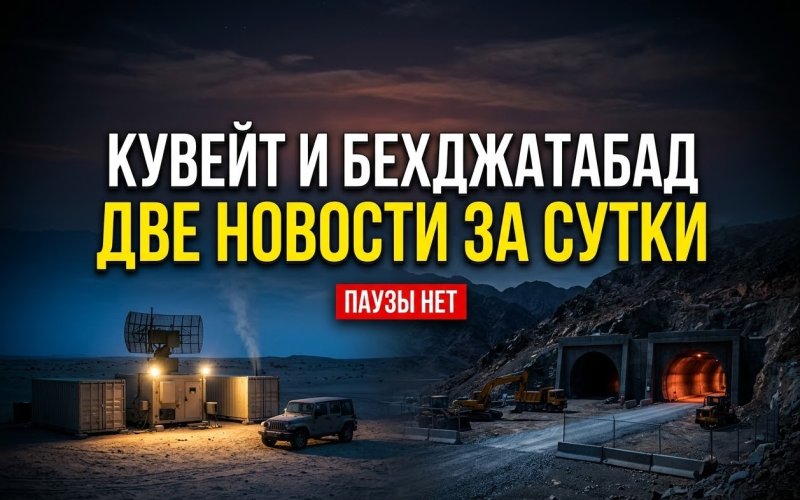
Kuwait and Behjatabad: Two Stories, One Day
On November 26, two Italians were killed in Kuwait. Within the same 24 hours, news emerged of a new underground complex in central Iran.
The Strike in Kuwait


On November 26, two Italians were killed in Kuwait. Within the same 24 hours, news emerged of a new underground complex in central Iran.
The Strike in Kuwait
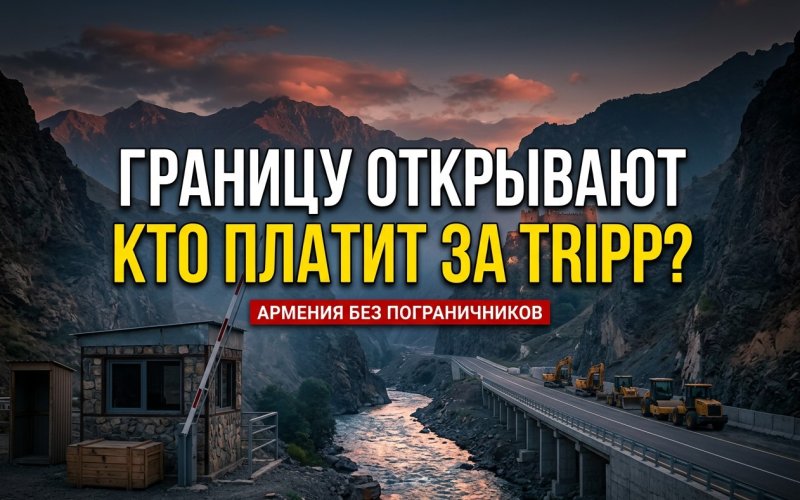
Pashinyan says Armenia will guard its own borders and Russian guards will end their service. We look at what the 1992 treaty says, what is known about TRIPP, and why Yerevan is gambling with its economy.

What happens when ice stops dictating the calendar and the shipping schedule? And why, just as Europe shuts its door to Russian gas, have sea lanes from Murmansk to Gotland suddenly landed on the desks of both military planners and lawyers? Let me take it step by step.
A Winter Put to the Test
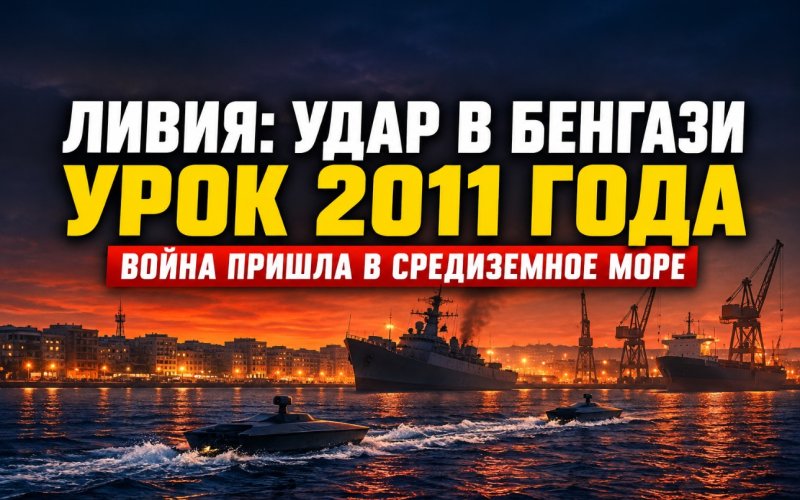
Why was a Russian corvette docked in Benghazi? What are Ukrainian forces doing in Libya? And how are the fate of Muammar Gaddafi and the war in Ukraine connected? This is Dr. Hassan, VIGIL Journal's representative for the Middle East and North Africa. I have set the past 24 hours of reporting against the chronology of 2011, because Benghazi cannot be understood without it.
The Lesson of 2011
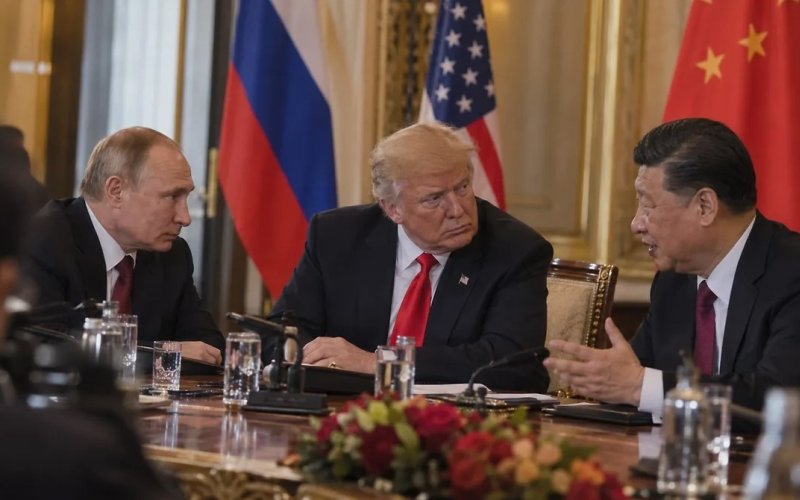
Ninety minutes, the Kylin villa, a closed door and not a single question from the press. That was the first-ever meeting of the leaders of the United States, China and Russia, held in Shenzhen. It produced a declaration on peace which, according to the BBC citing the Kremlin, promises UN reform, more oil products for everyone and a dialogue on nuclear risks. Europe is reading the document with alarm, Beijing with careful optimism, and Washington cannot decide whether to celebrate or despair.
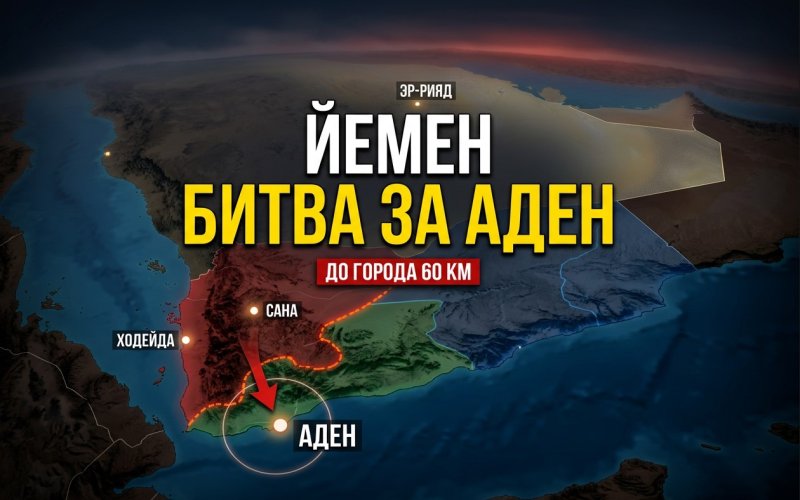
Is the UAE helping the Houthis fight Saudi-backed forces in Yemen? What do events on the front line confirm, and what rests only on anonymous sources? Will Aden hold, with the Houthis about 60 kilometers away? And what does all this mean for the Gulf, the Red Sea and the people living under fire?
By Dr. Hassan, VIGIL Journal's representative for the Middle East and North Africa

Dear friends,
When we meet in person, many of you ask me, as an expert, the same question: when will all this end? For a long time I answered briefly, in a sentence or two, and every time I felt it was dishonest. An honest answer does not fit into a formula like "in the spring" or "in two years," because this war has no single off switch. So today I am publishing a fuller answer, and I will try to show not only my conclusions but also what they rest on.

European leaders talk about Gaza, Hormuz, Tehran and Moscow as though they carry weight there. The continent was not invited to the start of this year's main war, yet it keeps issuing statements. What does it actually want: peace, gas, security, or simply a seat at the table? And why is all this happening now, with gas storage nearly empty, missile stockpiles in the same state, and a budget dispute threatening a political crisis? I am writing from London, and I see the situation at very close range.
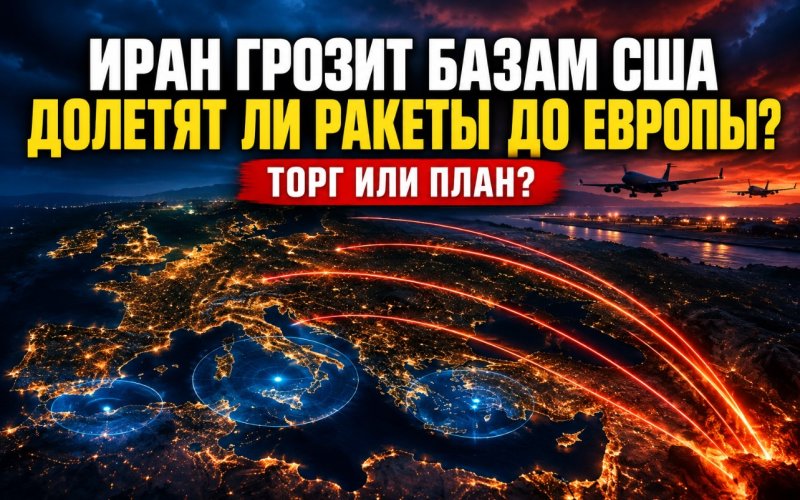
Mohsen Rezaei, secretary of Iran's Supreme National Security Council, has said American bases in Europe will become legitimate targets for Iranian strikes if the United States attacks Iran again. Is this bargaining, an attempt at intimidation, or the outline of a real plan? Can Iranian missiles actually reach Europe? And what happens to the continent's security if the words turn into action? I have gathered reports from Iranian, Western and regional sources and tried to make sense of them.
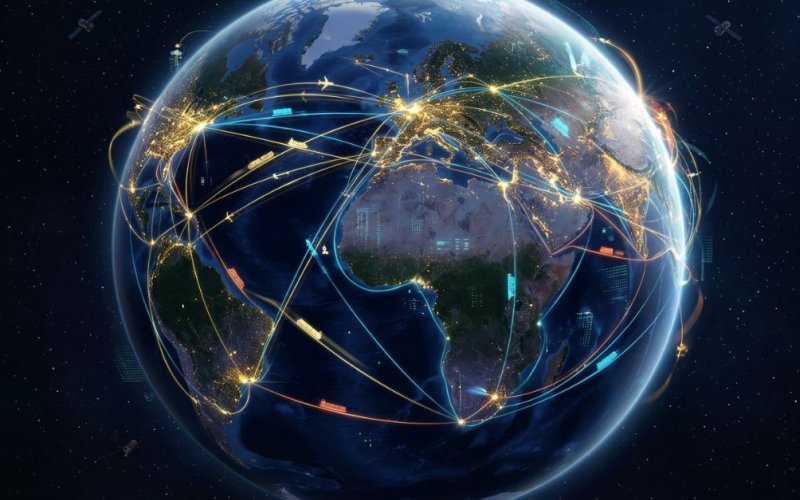
Globalization is not dead. It has stratified. Consumer goods still cross borders with the same old ease, but beneath the surface of the familiar world a new tectonics has emerged: chips, rare earths, energy and maritime chokepoints have become a battlefield. Economic efficiency, the god of the past thirty years, has yielded to a new idol: shock resilience. And whoever grasped this first is already rebuilding supply chains while the rest continue to believe the brochures about a "post-polar" world.





Editorial opinion may not coincide with the views of the authors of published materials. You may contact the editors about the possible publication of your articles by e-mail: info@vigiljournal.com







VIGIL Journal | Russia in the New World
Copyright © 2012-2026,
VIGIL Journal
Russia in the New World
Design by Magzito
Powered by Drupal