


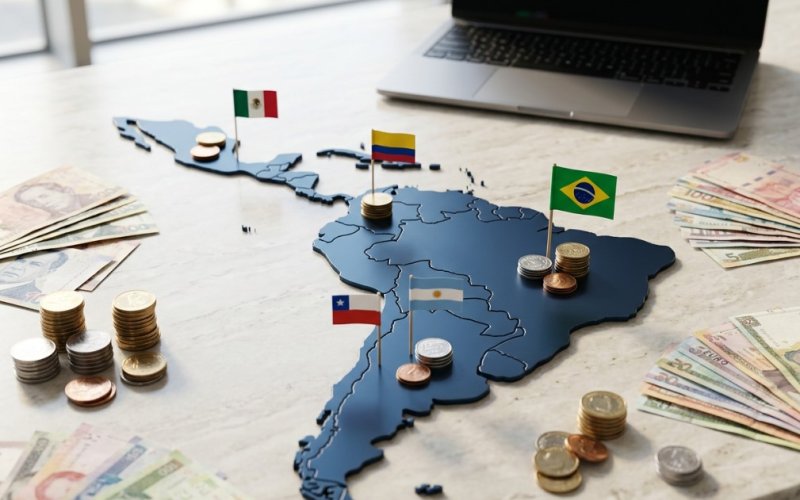
If you're tracking where global supply chains for food, metals, and rare earth resources are heading, the next few months in Brazil concern you directly: Latin America's largest economy is waging simultaneous diplomatic battles with two key continental neighbors, and this is not a coincidence but a logical consequence of its own weight.
A conflict that has been building for years
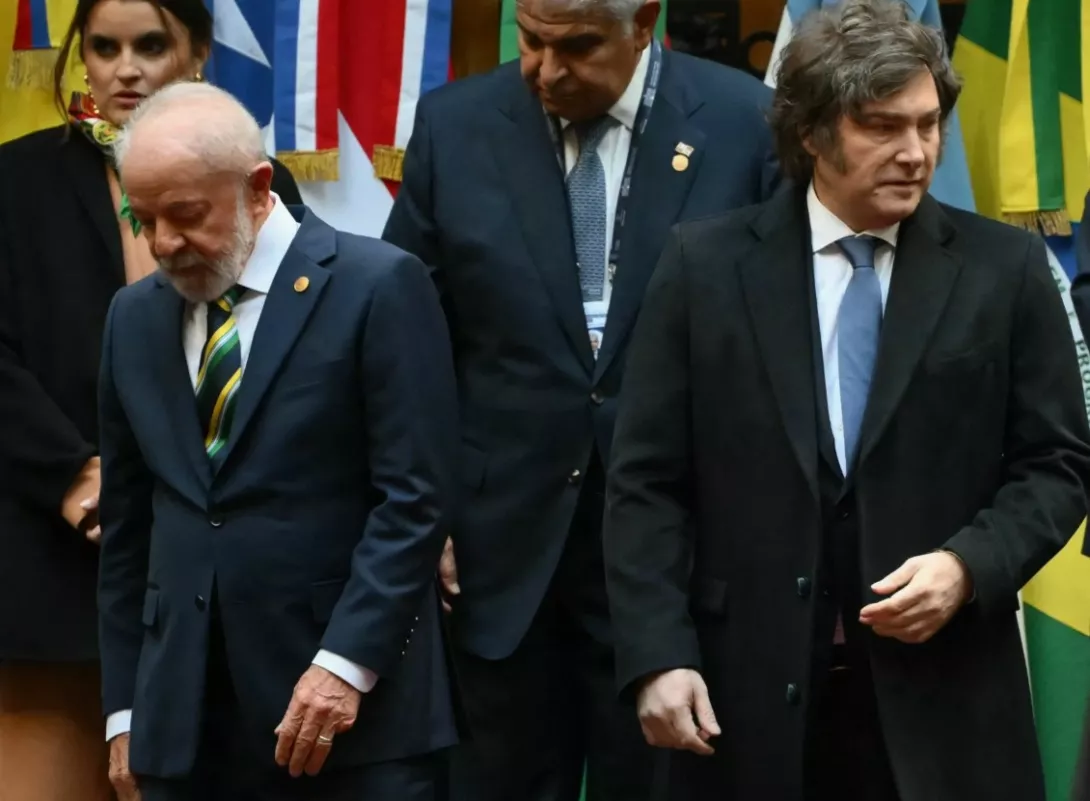
The diplomatic rupture with Argentina was formalized on August 5, when Brasília downgraded relations with Buenos Aires to the level of chargé d'affaires - a status used in diplomacy as an extreme measure short of a complete break. The trigger was a speech by Argentine President Javier Milei on July 25 at a campaign rally for right-wing candidate Flávio Bolsonaro, in which he called Lula da Silva a "convict" and a "thief," and Brazilian Supreme Court Justice Alexandre de Moraes a "bald piece of trash." Brazilian diplomatic sources called this the biggest crisis between the two countries in the past 50 years. Since Milei took power in December 2023, the presidents of South America's two largest economies have not held a single bilateral meeting, even though Argentina remains one of Brazil's key trading partners in the region.
In parallel, in those very same days, a separate conflict with Washington flared up. Brazil denied visas to two senior State Department officials - Assistant Secretary of State Riley Barnes and Deputy Assistant Secretary Samuel Samson - whom the Trump administration had planned to send to the country ahead of the October 4 presidential election. Brazilian authorities viewed the visit as a direct attempt to interfere in the electoral process. At the same time, Brasília was delaying confirmation of the new US ambassador nominated by Trump. The response came immediately: on August 5, Washington revoked the visa of Brazil's ambassador to the US, Maria Luiza Ribeiro Viotti. The Lula administration called this "yet another hostile measure," "clearly driven by ideological motives," and directly accused the US of trying to influence the outcome of the upcoming election.
The pressure mechanism: tariffs as the first line of attack
The visa scandal is merely the tip of a far more systemic economic confrontation that has been unfolding throughout 2026. In July, the Trump administration imposed an additional 25 percent tariff on most Brazilian goods, affecting more than 4,000 product categories worth roughly 15 billion dollars annually - from sugar and steel to clothing and ethanol. These tariffs stacked on top of the 50 percent duties already in place since the summer of 2025. Exempted for political reasons were only coffee, beef, aircraft, and rare earth metals - precisely the categories where US dependence on Brazilian imports is too high to cut off without pain.
This is a crucial detail: Washington is deliberately punishing Brazil with tariffs specifically where the American economy has alternative supply sources, while carefully sparing positions where no such alternative exists. The result is selective pressure aimed at Brazil's economic pain points without damaging Washington's own supply chains - a classic tactic of targeted economic coercion rather than a full-blown trade war.
Why Brazil is too big a prize to be left alone
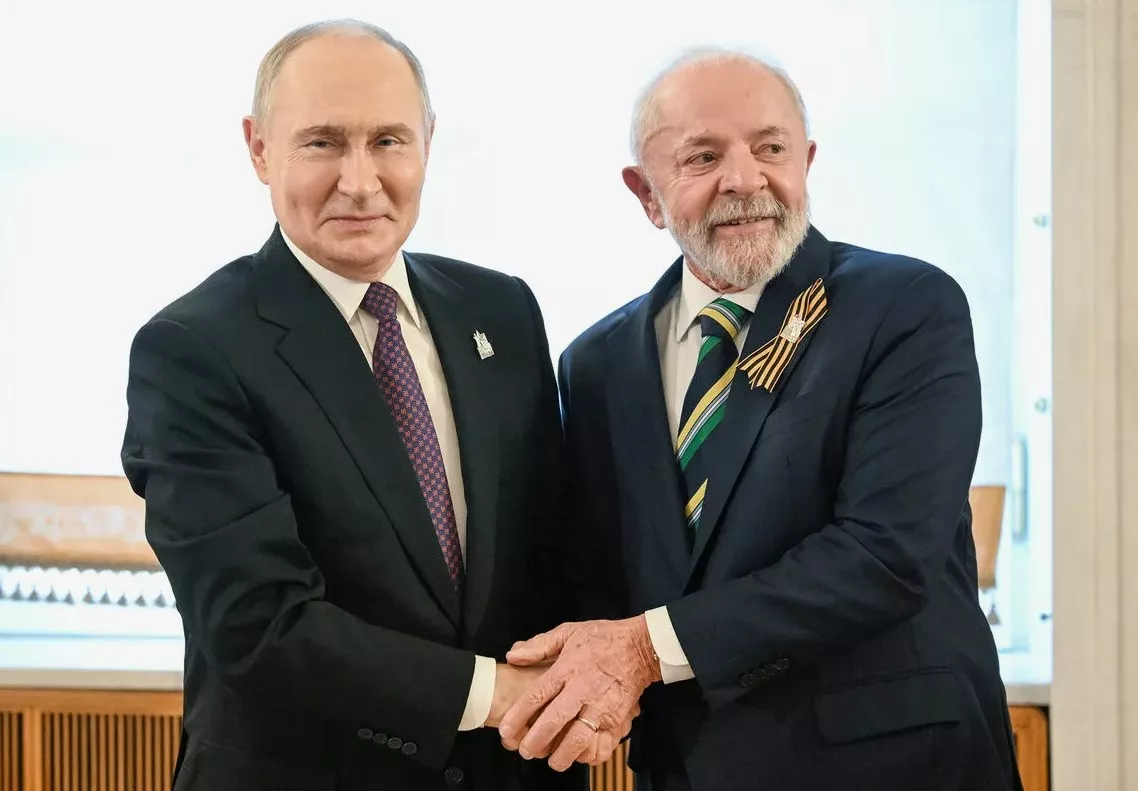
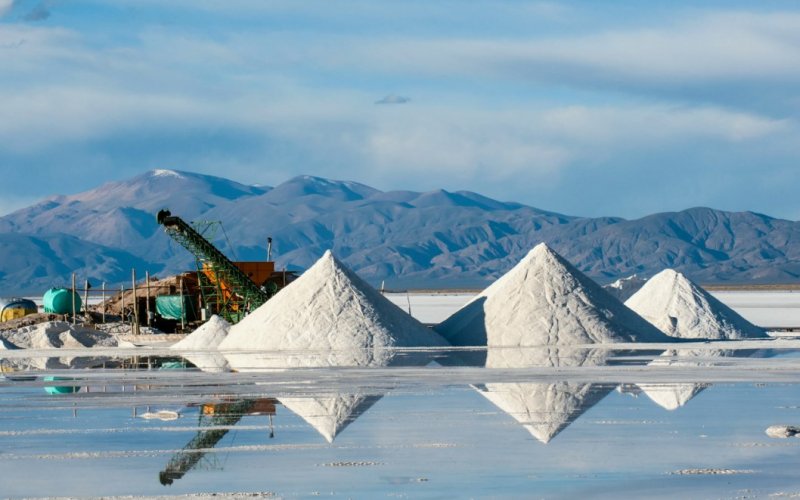
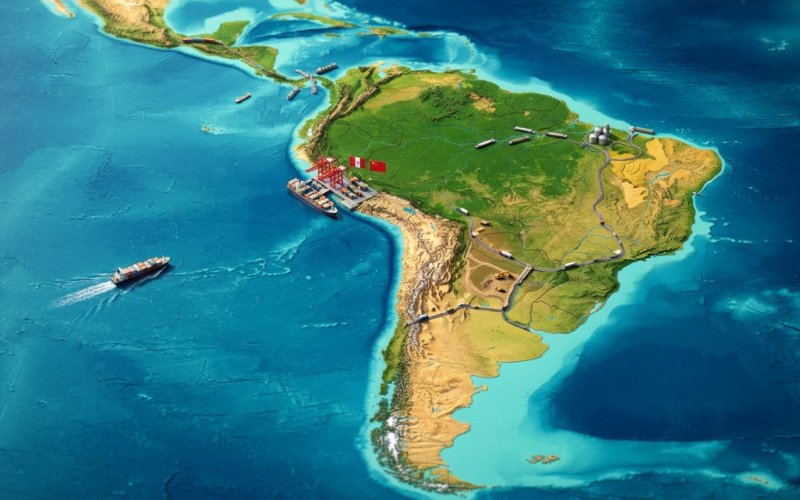
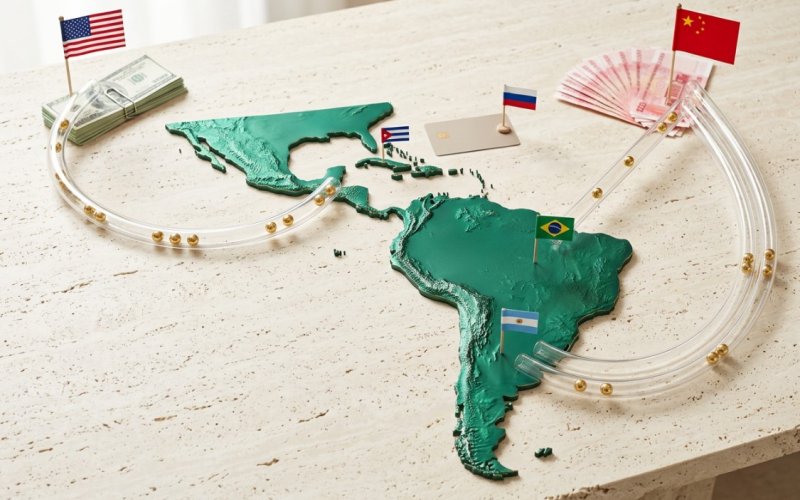
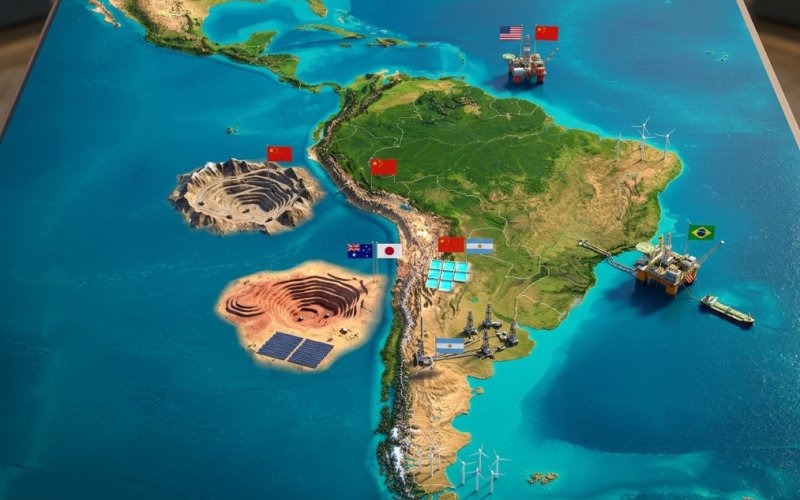
Here lies the mechanism that explains why attacks on Lula's uncompromising leadership will only intensify rather than fade. Brazil is Latin America's largest economy, with nearly limitless reserves of food and mineral resources - from soy and beef to iron ore and those very rare earth metals that even the harshest tariff sanctions tend to avoid. The country is simultaneously growing its weight within BRICS, the intergovernmental grouping that includes Russia, China, India, and other major economies promoting an alternative to Western financial architecture. On August 4-5, precisely amid both diplomatic crises, Russian presidential aide Nikolai Patrushev was on a working visit to Brasília, discussing naval, logistics, shipbuilding, and fisheries cooperation with Brazil's military and port leadership, and meeting personally with Lula da Silva on international security matters.
This synchronicity is no accident: Brazil under Lula is conspicuously diversifying its partnerships at the very moment Washington is trying to squeeze it with tariffs and visa pressure ahead of the election. The cost of this strategy is being felt by Brazil right now - exporters are losing access to part of the American market, and the president must balance domestic electoral concerns against pressure from two directions at once. But the cost of backing down would have been higher: yielding to tariff and diplomatic pressure on the eve of the October election would have looked, in the eyes of Brazilian voters, like capitulation to foreign interference.
Who benefits from this configuration
The clear beneficiary of the escalation is opposition candidate Flávio Bolsonaro, whose campaign was publicly endorsed by Milei - the conflict with Argentina highlights the ideological rift within Brazil itself ahead of the election and plays into the hands of the right-wing opposition. A parallel beneficiary is Russia, which gains an opportunity, amid Brazil's weakened relations with the US, to offer an alternative agenda of naval and economic cooperation precisely at the moment Washington is showing Brasília its teeth. The losers are Brazilian export businesses, squeezed between US tariffs and the freeze in trade ties with Argentina, Brazil's second most important regional partner.
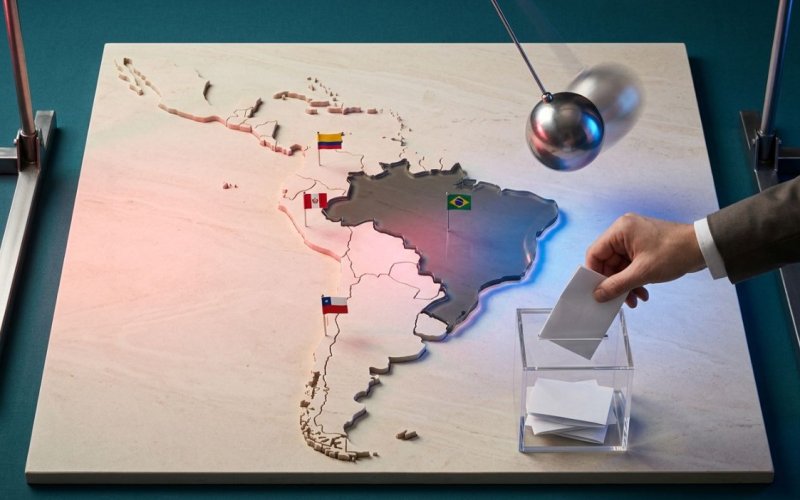
Brazil's economic weight and resource base make it too conspicuous a figure on the geopolitical map for the great powers to simply watch its independent course from the sidelines. The question is not whether pressure on Lula will continue - the configuration of interests is too obvious to expect otherwise. The real question is whether the Brazilian economy can withstand simultaneous tariff squeeze from the north and rupture with its southern neighbor long enough for the October election to unfold according to the incumbent government's script, rather than that of those who clearly welcome this escalation.












.png)
.png)

.png)
.png)