


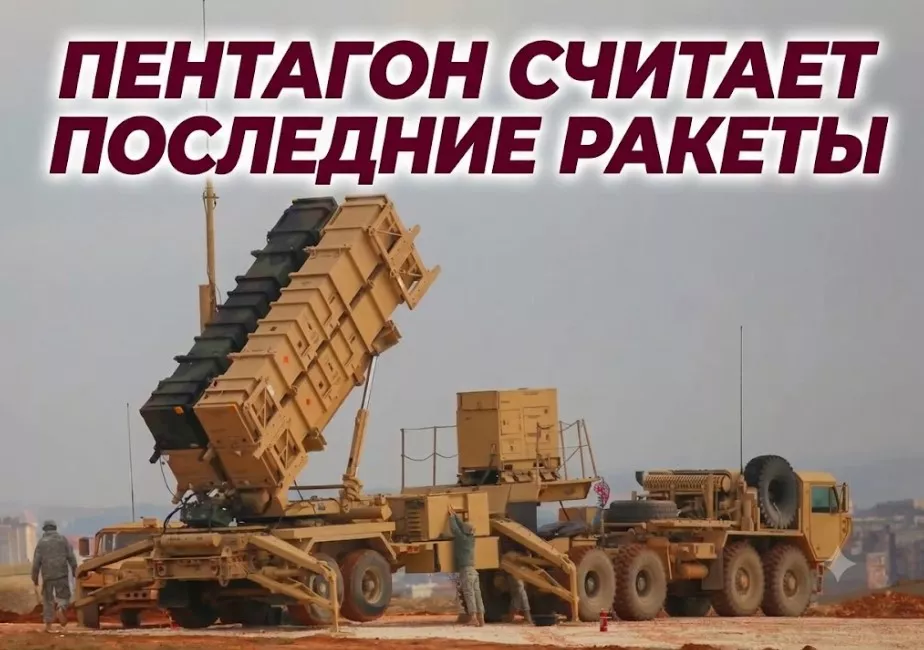
If you're tracking how far Washington is prepared to go in new conflicts, from Taiwan to Eastern Europe, this story concerns you directly: according to analysts' estimates, the world's most powerful military is physically running out of munitions for its own defense. While some experts are documenting critical depletion of stockpiles, Pentagon chief Pete Hegseth has publicly called this data fake - and the dispute itself speaks volumes.
Numbers That Rhetoric Cannot Disguise
According to estimates by analysts at the Center for Strategic and International Studies (CSIS - an influential Washington defense think tank), between February 27 and July 27 the United States expended between 1,500 and 1,600 Patriot missiles and roughly 200 THAAD interceptors (a missile defense system that shoots down ballistic missiles at high altitude). Patriot stockpiles fell from 2,300 units to between 760 and 830, while THAAD stockpiles dropped from 452 to between 234 and 278. According to several sources familiar with the latest stockpile assessment, by early August THAAD expenditure had reached nearly 80 percent of pre-war reserves - meaning the U.S. military may have only around 90 such missiles left.
Weapons specialists note that the U.S. Army has expended nearly its entire stock of ATACMS (Army Tactical Missile System - a tactical missile for strikes against ground targets) and PrSM (Precision Strike Missile - a new precision-guided missile intended to replace ATACMS). A single ATACMS missile costs approximately one million dollars, and production lines are physically unable to replenish losses faster than they occur under real combat conditions.
Official Denial Versus the Pentagon's Own Statistics
This is where the conflict-of-interest mechanism plays out in real time. On August 5, Hegseth publicly criticized reports of critical stockpile depletion, calling them fake news. The problem is that just the day before, the same Pentagon signed framework agreements worth more than 3 billion dollars with defense contractors Lockheed Martin and Northrop Grumman, agreeing to triple Patriot production and quadruple THAAD output - from the current 96 to 400 units per year. It is difficult to simultaneously claim that stockpiles are sufficient while urgently financing a fourfold increase in their production - and that is precisely the price of the error being paid not only by the Pentagon, but by any ally counting on the American air defense umbrella at a critical moment.
When Saving Munitions Becomes Official Policy
According to several sources familiar with the situation, American commanders have already shifted to selective interception of Iranian missiles and drones in order to preserve remaining munitions: if calculations show that a projectile will not reach military personnel or critical infrastructure, it simply isn't fired upon. In some cases, strikes were deliberately allowed to hit bases when no personnel were present at the time of the attack. Officially, this is called munitions expenditure optimization; in substance, it is a calculator counting pennies in a warehouse - except that instead of office supplies, what's at stake are the lives of people at military facilities.
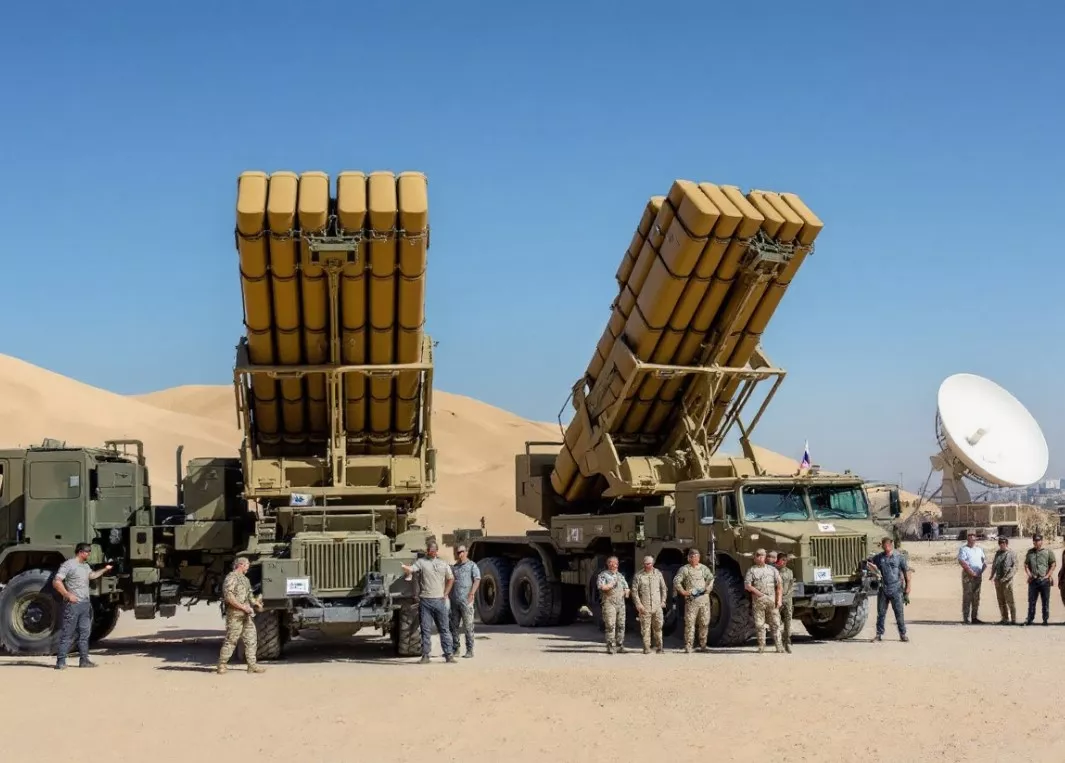
Analysts also point to a shortage of Navy ships equipped with missile defense systems needed to fully protect Israel from Iranian ballistic missiles - U.S. European Command, according to media reports, has notified military leadership of a shortage of destroyers for this task. This is not political rhetoric but a plain shortage of specific military hardware in a region where Washington has demonstrated unquestioned dominance for decades.
Who Gains from the Depletion, and Who Loses Face
Iran, according to military experts' own estimates, possessed roughly 2,500 ballistic missiles before the conflict began - a number that, in analysts' view, almost certainly exceeded the combined interceptor stockpiles of the United States and Israel. Tehran did not need to win the war in the classical sense: it only needed to avoid surrendering and keep firing missiles on schedule to force the American military machine to conserve its interceptors.
On the other side are the very concrete commercial beneficiaries of this situation. Defense contractors secured multi-year contracts at the exact moment the defense department is publicly disputing its own statistics - a rare case in which someone else's failure becomes a ready-made line item in a shareholder quarterly report.
Why Talk of Negotiations Functions as Anesthesia
This is where the absurdity of the whole construction becomes apparent. Public statements about an "imminent diplomatic settlement" are being made in parallel with admissions of critical arsenal depletion, and this discrepancy is explained not by diplomatic tactics but by an unwillingness to openly admit that military capability in the region is nearing zero. Analysts' estimates converge on one point: restoring THAAD stockpiles to pre-war levels will take at least two to three years, and Patriot production lines are physically incapable of closing the shortfall within a single fiscal year.
The outcome of the five-month campaign is being tallied not in captured territory but in emptying containers at military warehouses - and it is this accounting, not statements from the podium, that will determine what Washington can actually do if a player larger than Iran joins the conflict tomorrow. The question is whom to believe in this dispute over numbers: the Pentagon's official denials, or the calculations of independent military analysts - and whether the answer will come too late, if the next crisis arrives before the warehouses have had time to refill.



















.png)
.png)

.png)
.png)