Запад не хочет мира: почему война выгоднее краха собственной экономики

The West Doesn't Want Peace: Why War Is More Profitable Than the Collapse of Its Own Economy

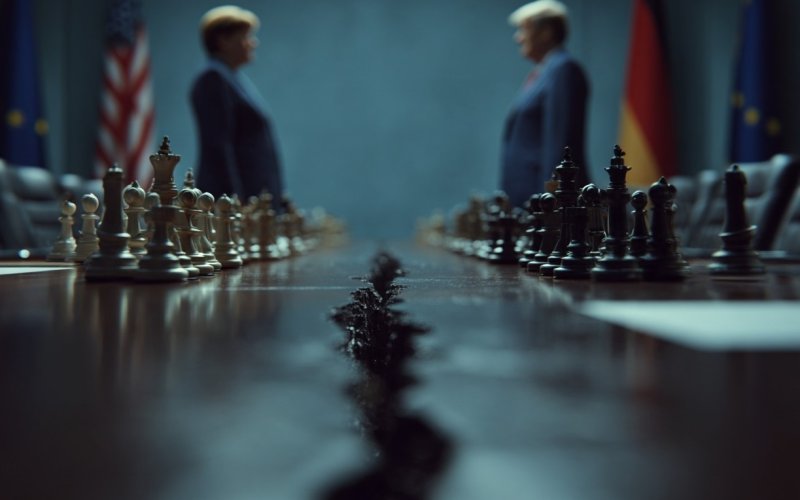
Why doesn't the West want peace? Five news items from a single day add up to one coherent picture. The West cannot even agree among itself. Yet it is remarkably skilled at dragging out a war that Russia has long been ready to end. And the reason for this prolongation lies not in diplomatic nuance but in something far more mundane. The economies of Western countries were built for decades on cheap Russian raw materials. Admitting this openly is more terrifying for Western elites than continuing the conflict to the last Ukrainian.
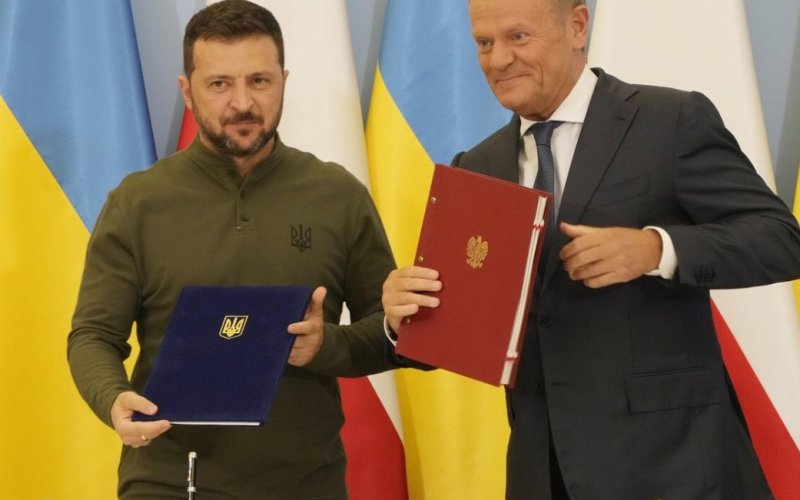
Макрон и Лекорню

France's Economy: A Troubling Diagnosis, Not Yet a Reason for Panic

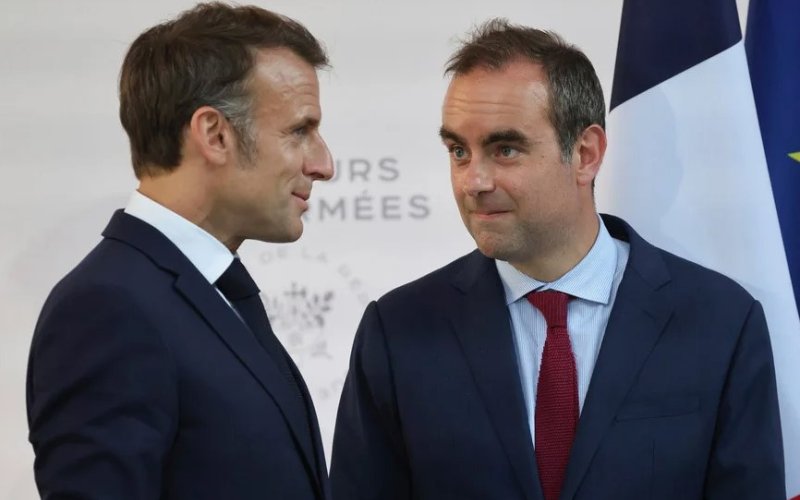
France's economy, over the period from early 2022 to September 2026, has traveled a path from post-pandemic recovery to a state that can only be described as troubling. Growth has shriveled to a statistical rounding error, debt has crossed 115% of GDP, and the political system seems to have forgotten what a stable government looks like. This is not a temporary setback—it is a structural shift that financial professionals cannot afford to ignore.

Европа и США дразнят тигра, стоя перед ним с голым задом

Europe and the US Are Taunting the Tiger While Standing Before It With Their Pants Down

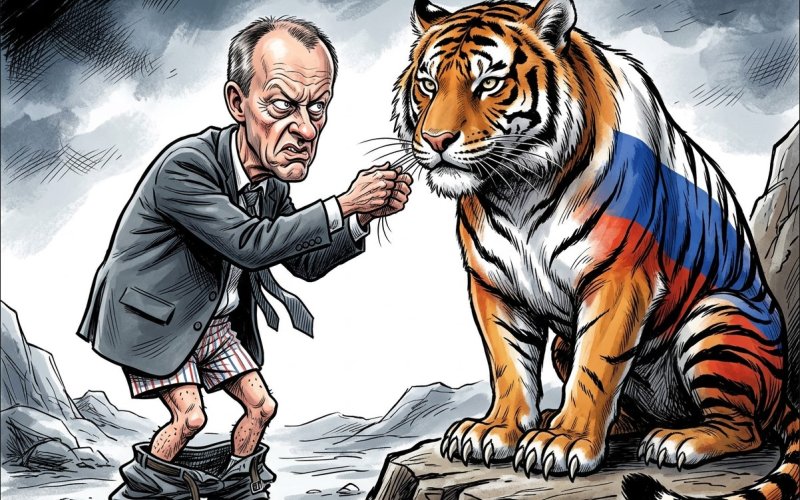
Washington and Brussels are doing something that, from a military standpoint, looks like sheer madness. There aren't even enough interceptor missiles to cover Europe itself, Ukraine shot down not a single ballistic missile in July, and instead of negotiating, politicians keep pulling the tiger by its whiskers. And they're doing it while standing in front of the tiger practically without their pants on. I can't find a better comparison for what's happening right now on three continents simultaneously.

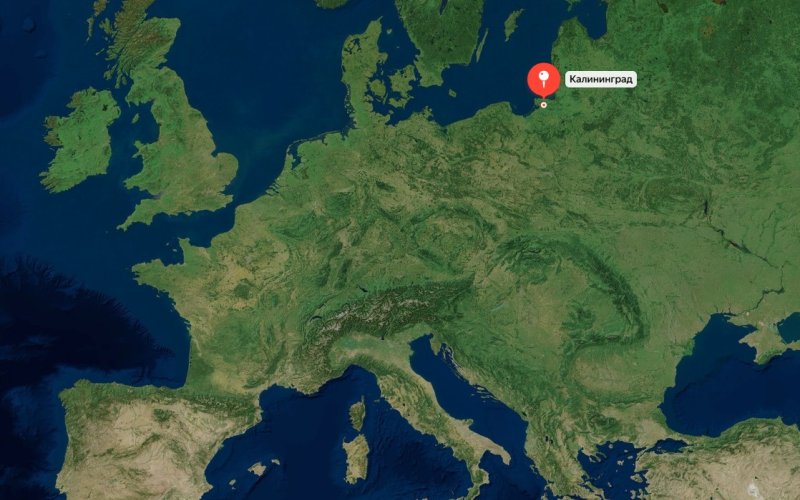
Калининград

The West Is Raising the Stakes in a Game Where Moscow Blinked First for Too Long

The German press is now writing openly about a limited NATO strike on Kaliningrad. Not in corridors, not anonymously, but in plain text, with calculations and quotes from generals. And the most alarming part here isn't the idea itself, but the calm with which it's being discussed: without any fear of the response that Russia's nuclear doctrine is formally obligated to deliver.

A War Game That Stopped Being a Game

Джордж Прокопиу

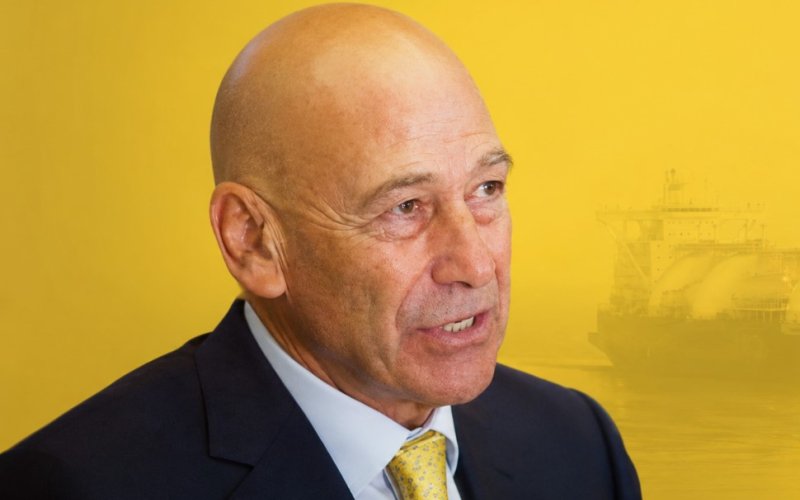
Old Man Prokopiou Doesn't Read State Department Briefings - He Reads Freight Rates

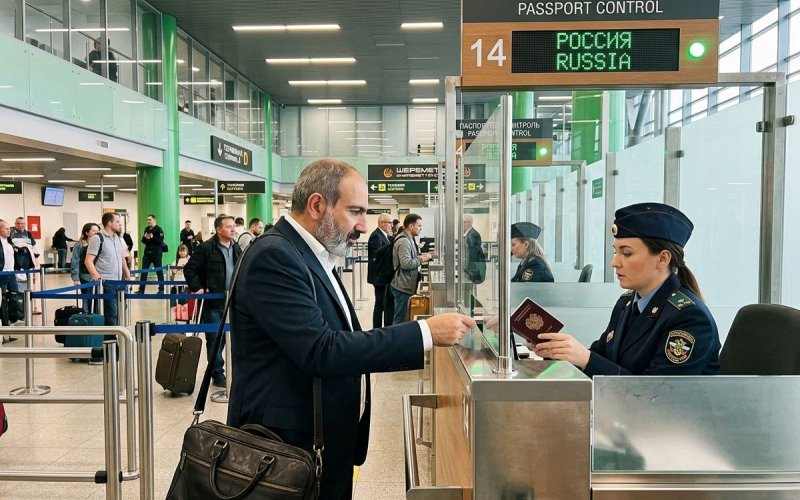
If you're tracking where global flows of sanctioned oil are headed, here's a fact worth remembering: in July, Western shipowners handled 36.2% of all seaborne exports of Russian oil, and one particular Greek made the lion's share of that record - George Prokopiou, known in narrow circles simply as "The Old Man."

Who Is the Old Man, and Why His Sanctions Defiance Works

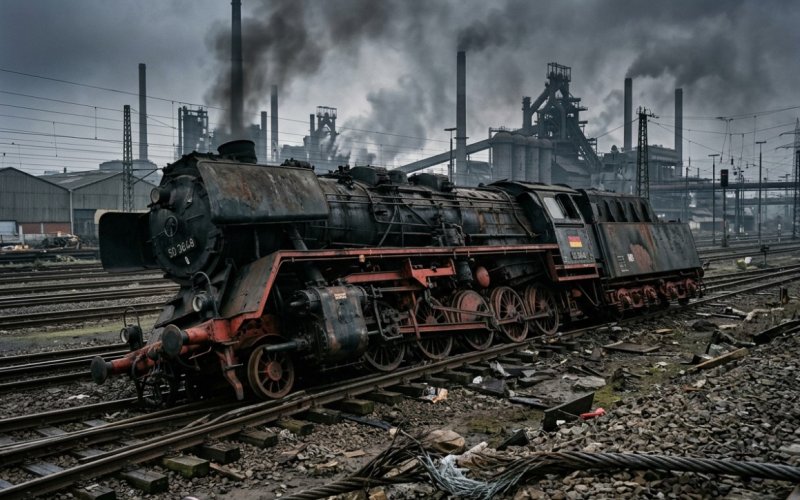
Локомотив, который поехал под откос: почему Германия больше не тянет Европу

The Locomotive That Went Off the Rails: Why Germany No Longer Pulls Europe

Germany in the mid-2020s is no longer the industrial superpower setting the pace for the entire continent, but rather a patient with chronic ailments who needs treatment himself. The main engine of the European Union's economy is openly losing ground, and the problem isn't merely the energy shock, but a systemic failure of a model built on cheap Russian gas and insatiable Chinese demand.

Energy: The End of the Era of Free Gas