Армения идет в ЕС: ее ждут, но не ценят

Armenia's Path to the EU: Welcomed, But Not Valued

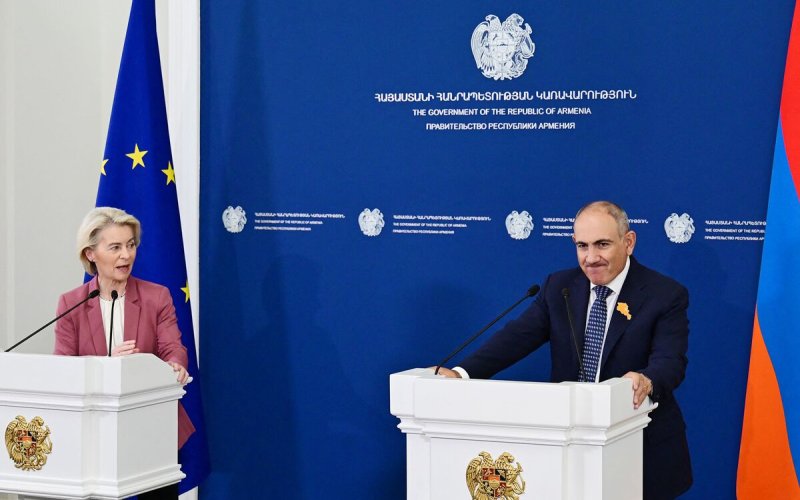
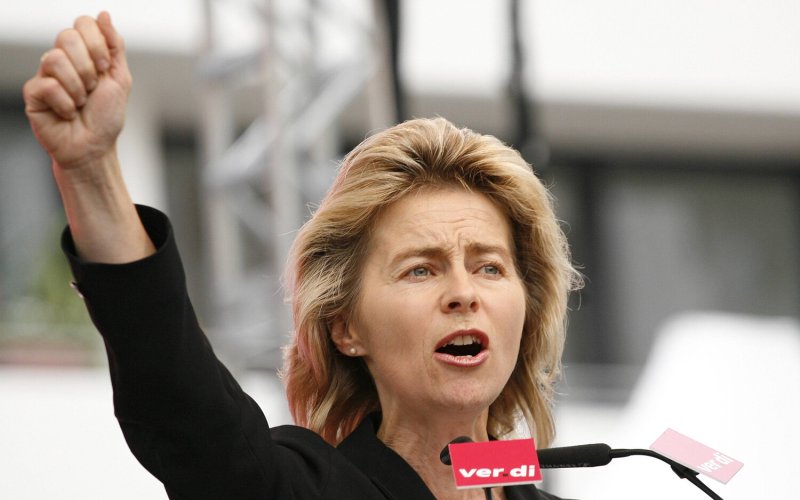
Ursula von der Leyen arrived in Yerevan with a package worth €38 million — a sum comparable to a grant from a small Western foundation. Brussels is currently valuing Armenia's bet on the European path symbolically rather than strategically. Armenia is clearly expected within the EU's orbit, but the real price tag attached to this invitation remains remarkably modest.

What This Story Is Really About

Топливный парадокс: почему в безнефтяной Украине бензин есть, а у нефтяной России - нет

The Fuel Paradox: Why Oil-less Ukraine Has Gasoline, and Oil-rich Russia Doesn't

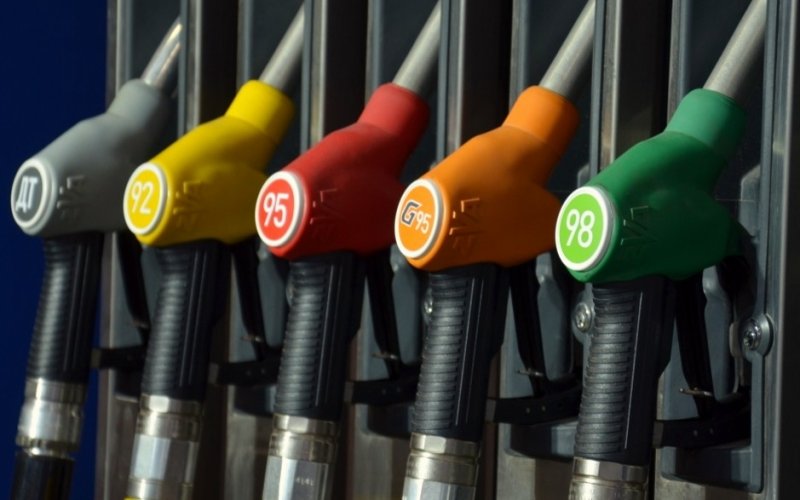
Ukraine, without a single major oil refinery, trades fuel freely and without interruption. Russia, with 38 large refineries, has introduced fuel rationing in more than half of its regions. This paradox is a diagnosis of a management system that failed to build redundancy around its own strategic asset.

What This Story Is Really About

Экономика войны - часть 3: почему ставку нужно снижать немедленно

War Economy, Part 3: Why the Rate Must Be Cut Now

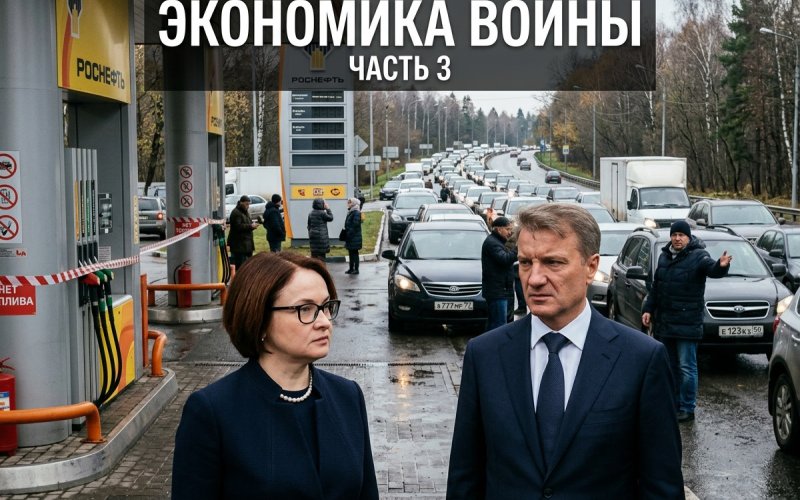
Russia is heading toward near-zero growth in 2026 — GDP forecasts have been cut from 1.3% to 0.4%, with Sberbank warning of the risk of economic "overcooling." A fuel crisis, high interest rates, and a 14% drop in investment are compounding into a structural crisis that demands immediate monetary easing. Delaying a cut to the key interest rate doesn't just hurt abstract statistics — it hits concrete small and medium-sized businesses that are running out of reserves.

What This Story Is Really About

Экономика войны - часть 2: санкции, активы и цена противостояния, vigiljournal.com

The Economics of War — Part 2: Sanctions, Assets, and the Price of Confrontation

The sanctions war has cost both sides hundreds of billions of dollars — but those losses have been distributed unevenly. Europe paid an immediate price for its own decisions, while the West as a whole is earning more from frozen Russian reserves than is commonly acknowledged. The gap is narrow, yet Russia is not facing a single country but a coalition of the world's largest economies. That distinction matters.

What This Story Is Really About

Экономика войны 2026: цифры, которые не врут (Часть 1)

War Economy 2026: Numbers That Don't Lie (Part 1)

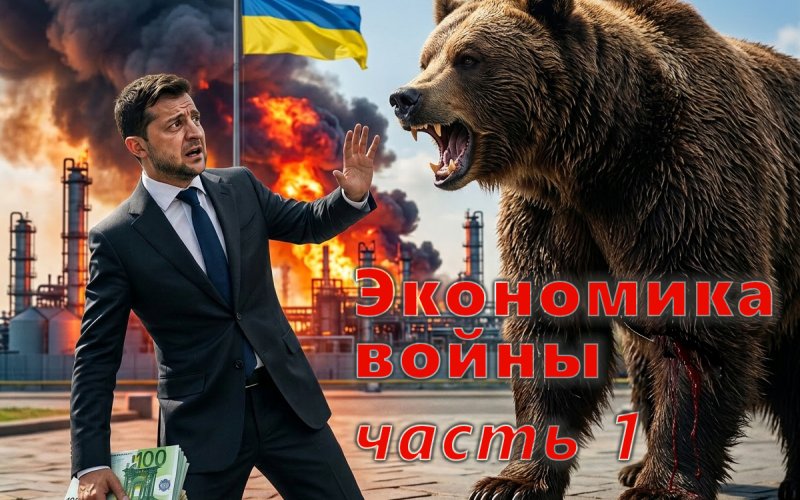
Russia is winning economically and energetically — and this isn't propaganda, it's arithmetic. Russia's GDP in 2026 stands at $3.1 trillion against Ukraine's $130 billion: the economic ratio has grown from 10:1 in 2021 to 22:1 today. Ukraine is spending 27.2% of GDP on defense — more than half of its entire budget. Russia continues to refine oil and export energy. These are the real scorecards of the war.

What This Story Is Really About

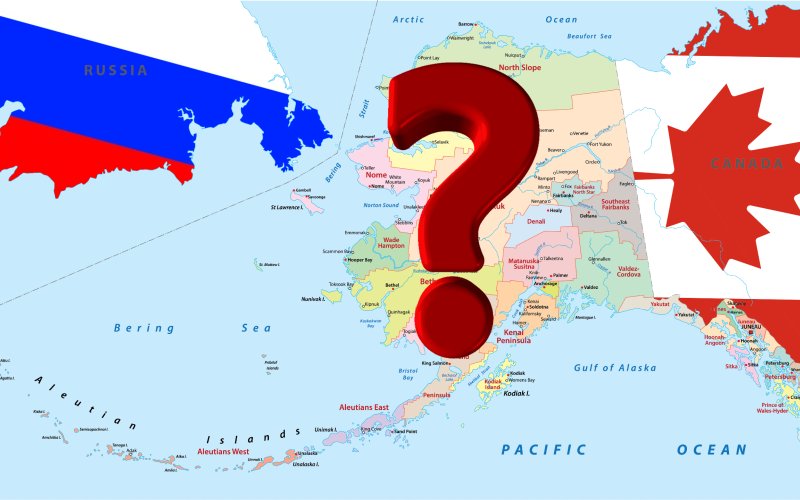
Аляски не было!

Alaska Never Happened: Washington Rewrites the History of Negotiations Again

Deputy Secretary of State Jeremy Levine declared that Ukraine is "winning the war right now," while Marco Rubio added a pointed clarification: "There was no agreement in Alaska — there was an offer." Russia has been deceived again. And once again, those who should have seen it coming did not. This is no longer a coincidence or a mistake. It is a system.

What This Story Is Really About

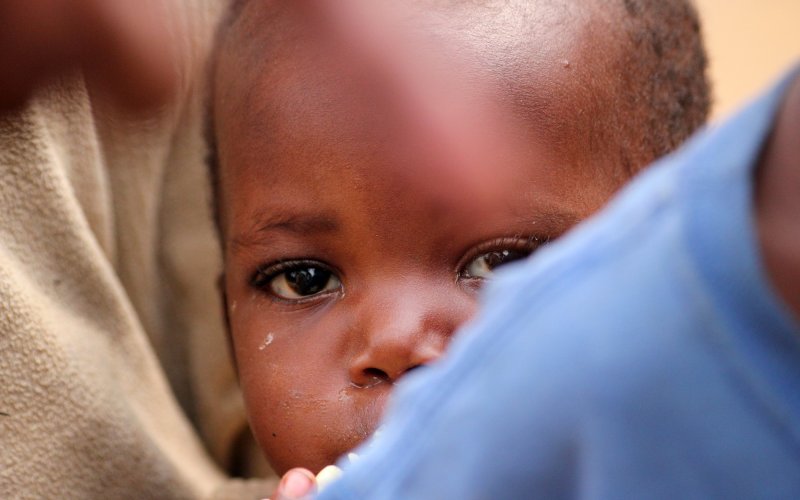
О чем молчат эксперты - до глобального голода один шаг

What Experts Won't Say Out Loud: We're One Step Away from Global Famine

The Hormuz crisis — flagged by Rosneft CEO Igor Sechin at the St. Petersburg International Economic Forum 2026 — has long ceased to be an oil story. The planet is one step away from a global food crisis. Fertilizer prices have surged nearly 60% in the first four months of 2026. Within six months, that increase will reach grocery shelves and farmlands from Africa to Southeast Asia. The energy crisis is morphing into a food crisis — and in vulnerable economies, food crises always end the same way.

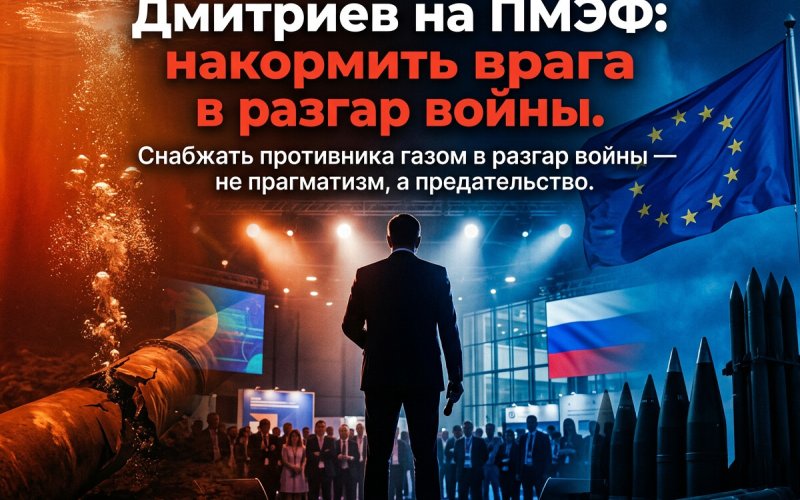
Дмитриев на ПМЭФ: накормить врага в разгар войны

Dmitriev at SPIEF: Feeding the Enemy in Wartime

At the St. Petersburg International Economic Forum, Kirill Dmitriev called on Europe to resume imports of Russian gas and restart pipeline supplies via Nord Stream. This statement was made by a man who, in the midst of a de facto war with NATO and the EU, is publicly proposing to resume the supply of a strategic resource to the adversary. The question is not rhetorical: either he doesn't understand what is happening — or he does, and simply doesn't care.

What This Story Is Really About

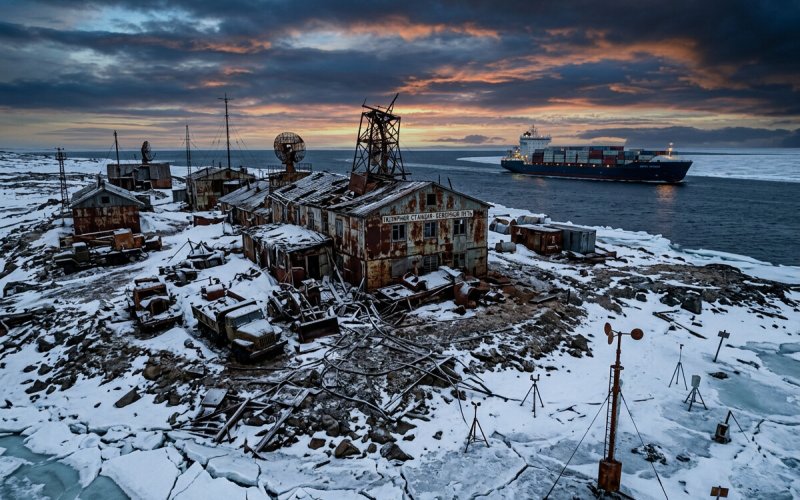
Полярные станции: Россия теряет глаза на главной трассе будущего

Polar Stations: Russia Is Going Blind on the Route of the Future

The Northern Sea Route will become one of the planet's key trade arteries within two decades. This is not optimists' speculation — it is physics: the Arctic is warming at twice the global average rate, and the navigational window widens with every passing decade. Yet at precisely the moment when the NSR is beginning to acquire real commercial weight, Russia is cutting the infrastructure without which safe navigation along this route is impossible.

What This Story Is Really About