Удар по Сирии

Israel and Turkey Speak the Language of Weapons: Who Will Stop a New Conflict in the Middle East?

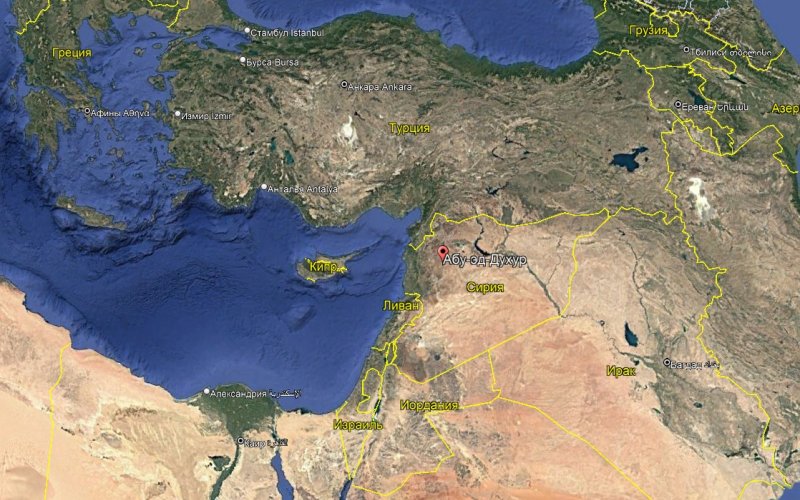
Israel and Turkey are fueling a new conflict in the Middle East. Israeli aircraft struck the Abu al-Duhur airbase in Syria, and this is no longer a story about another diplomatic spat. On August 18, eight strikes were carried out on a facility in Idlib province. Tel Aviv’s explanation is straightforward: it was necessary to prevent Turkey from establishing military infrastructure in Syria.

A Strike on a Facility That, According to Damascus, Did Not Exist
Калининград

The West Is Raising the Stakes in a Game Where Moscow Blinked First for Too Long

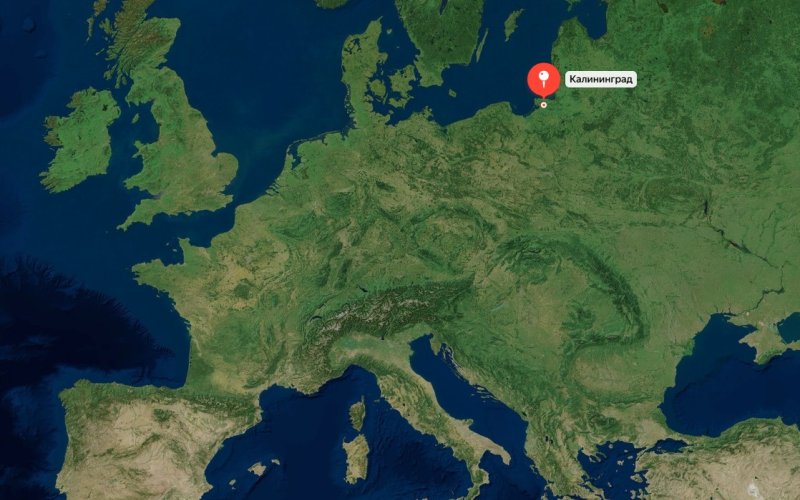
The German press is now writing openly about a limited NATO strike on Kaliningrad. Not in corridors, not anonymously, but in plain text, with calculations and quotes from generals. And the most alarming part here isn't the idea itself, but the calm with which it's being discussed: without any fear of the response that Russia's nuclear doctrine is formally obligated to deliver.

A War Game That Stopped Being a Game

Куба

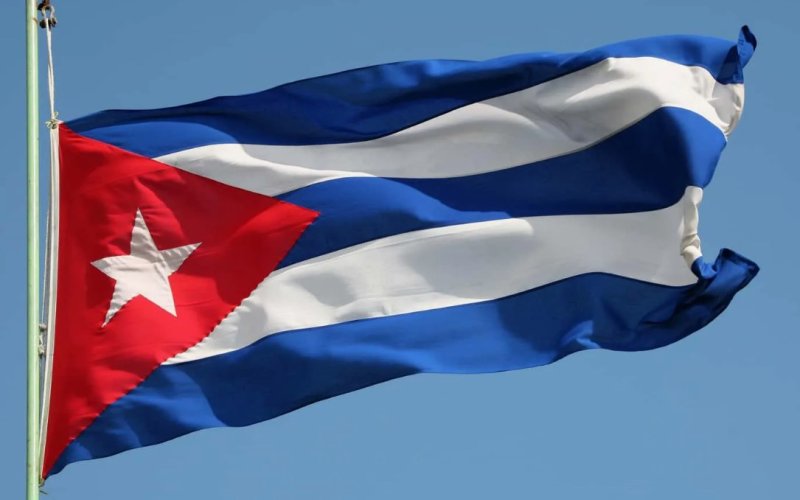
Cuba on the Edge: Why the U.S. Is Squeezing the Island Harder Than Ever

Cuba on the Edge: Why the U.S. Is Squeezing the Island Harder Than Ever

How far can the economic pressure of one superpower on a sovereign state actually go? Cuba in 2026 is a living textbook case: the country is going through its worst crisis since the 1959 revolution, worse even than the "Special Period" that followed the collapse of the USSR, and this is happening not because of a natural disaster but because of a deliberate oil blockade orchestrated by Washington.

Россотрудничество

Soft Power — Why Is Russia Falling Behind?

If you've ever wondered why Russia's military strength, ranked second in the world by Global Firepower, fails to translate into comparable global influence, the answer hides in a single figure: the budget of Russia's principal soft power institution, Rossotrudnichestvo, is roughly 5.5 billion rubles a year, and only a quarter of that sum goes toward actual projects, while the rest is consumed by rent, salaries, and the upkeep of more than 80 "Russian House" representative offices.

Дух Анкориджа

The "Spirit of Anchorage" Turns One Year Old

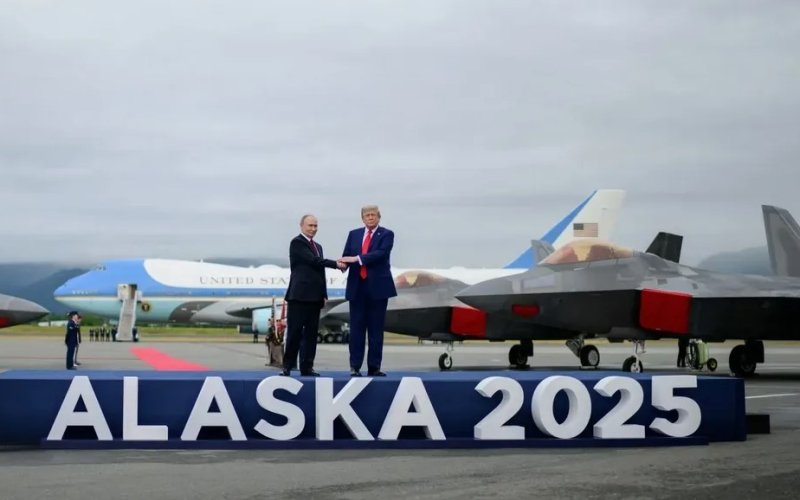
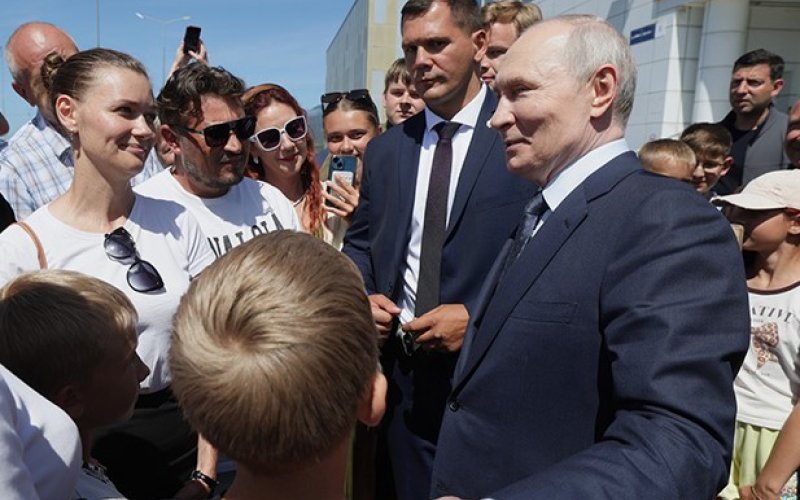
Exactly one year ago, on August 15, 2025, Vladimir Putin and Donald Trump met in Anchorage. Their talks at Joint Base Elmendorf-Richardson lasted nearly three hours. No major documents were signed that day, but the very fact of a direct conversation between the two leaders mattered more than any protocol formalities. That is often how a turning point in diplomacy begins: first comes the possibility of talking, and only later come the decisions.

Why "Spirit Of Anchorage"

Пока импортозамещение шагает по России, Пентагон молится на китайские магниты

While Russia Marches Toward Import Substitution, the Pentagon Prays to Chinese Magnets

The Number That Sinks the Myth

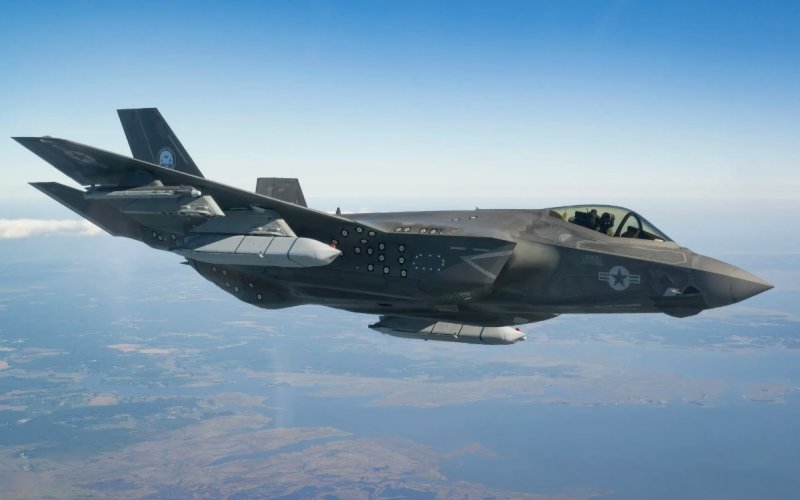
If you follow Russia's import substitution drive and are trying to tell who is actually achieving technological sovereignty from who is merely reciting slogans about it, here's a figure that should send the entire myth of American industrial independence straight to the archive: 80,000 components across 1,900 US weapons systems are critically dependent on Chinese rare earth materials.

The Magnets That Decide Whether the F-35 Flies

Сергей Викторович Лавров

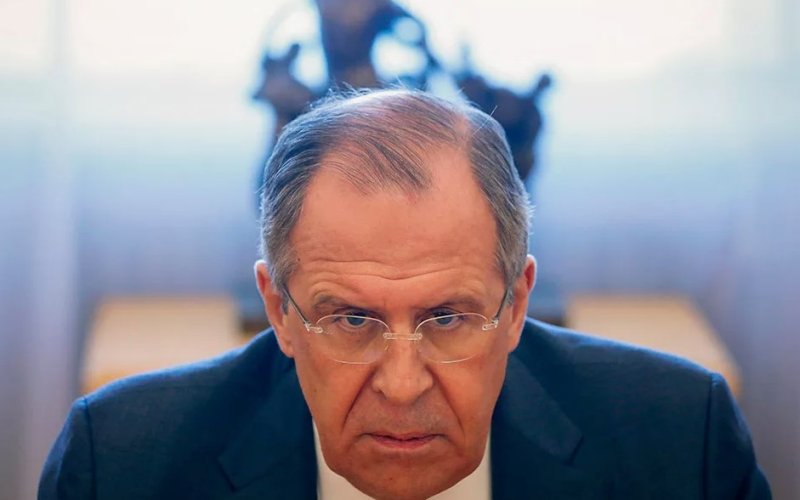
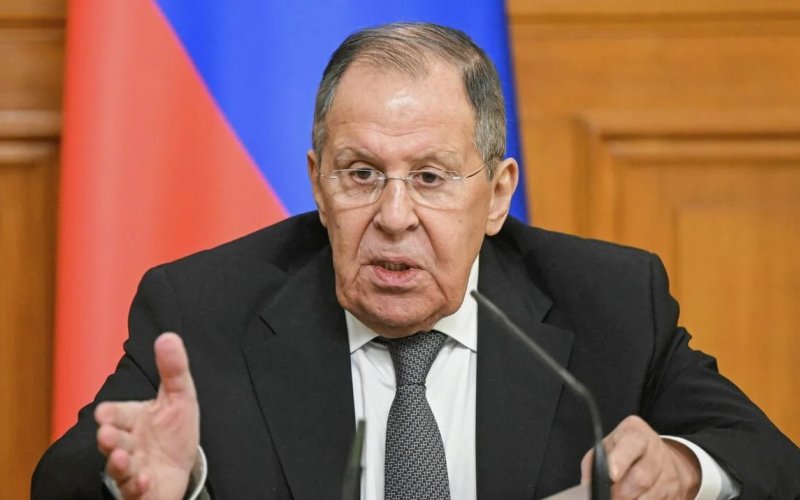
Sergei Viktorovich Lavrov - threats against the real military math: can Russia actually answer Europe

If your capital sits in maritime insurance, energy trading, or European port logistics, the coming months could redefine who pays for seized cargo - and for the first time in years of conflict, the Kremlin is threatening not with words from the Foreign Ministry, but with concrete naval force.

From diplomatic rhetoric to a military directive

Лавров возглавил список

State Duma Elections 2026: A Vote Without a Choice?

From September 18 to 20, Russia will elect 450 deputies to the State Duma - a decision that will affect not abstract statistics, but laws on taxation, social policy, industry, security, and regional development for the next five years. The upcoming campaign is taking place under difficult foreign policy conditions, which is why its main feature is not "the absence of choice," but the heightened price of political responsibility borne by every participant.

Parliament in an Era of Major Decisions

Адмирал Григорович

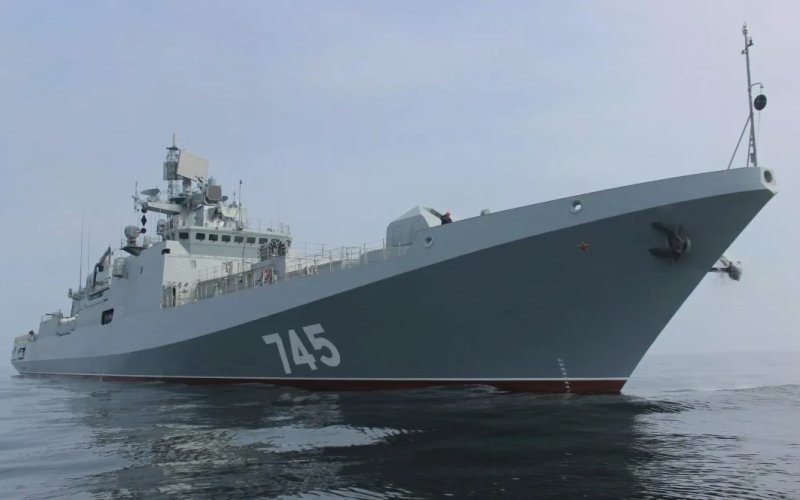
London Fears the Silence on the Line and Asks Moscow to Pick Up the Phone Again

If you're tracking how close Europe is to an accidental military clash with Russia, this story goes straight to the point: British officials have admitted that four years of silence on military communication lines with Moscow is not a matter of principle but a direct threat of unintended escalation that could spiral into a real conflict.

What Happened: From Silence to Panic