



Market capitalization is not an objective valuation of a company but a form of collective hypnosis among investors, multiplied by the number of shares outstanding. It reflects not the real worth of a business but what the market thinks about its future — and that thinking can shift easily under the influence of a single tweet or a report that almost nobody actually read. The most popular valuation method turns out to be the most capricious one; it resembles a thermometer that measures not body temperature but the mood of the crowd.
The Central Paradox of the Method
Proponents of capitalization insist that investors vote with their money, and therefore the valuation is honest. But those same investors voted for Enron, and the fraudulent company turned out to have been overvalued long before its collapse. Tellingly, in the late 1990s Microsoft's market capitalization soared to nearly $600 billion, while unprofitable internet firms grew even faster, brushing aside their negative earnings reports. In 2021, Tesla's market capitalization exceeded the combined value of the world's nine largest automakers, despite selling a hundred times fewer cars — that is no longer analysis, that is faith. The market is not an infallible oracle; it is a crowd that stampedes first one way, then another.
Feelings Matter More Than Figures
The central question is: what exactly are we measuring? Market capitalization is "a reflection of shareholders' beliefs about a company's future, and people's beliefs can sometimes change very quickly." Indices built on this principle operate according to the logic of "buy high, sell low": the more a stock has risen, the greater its weight in the index. As one expert observed, capitalization is "rather fictitious" — it assumes that every share is worth whatever the last one sold for, but try selling all of them at once. Emotional sentiment, rumors, and herd instinct influence it far more than quarterly revenue does.
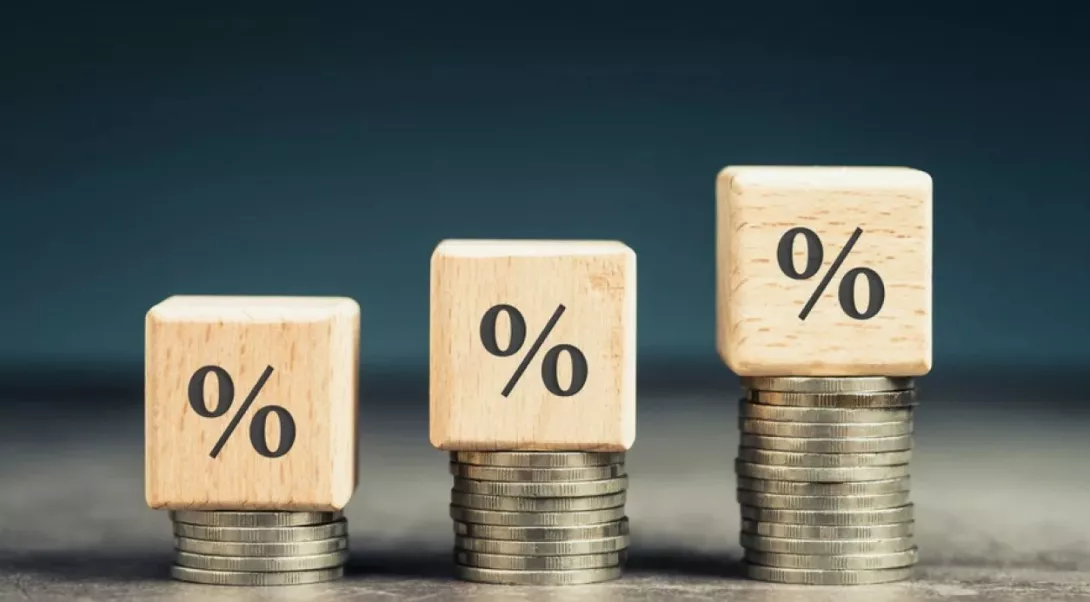
Bubbles as the Norm
There is no shortage of examples of capitalization living a life of its own: the dot-com bubble, the broader tech bubble, the mortgage crisis — in every case the market overvalued assets while ignoring fundamentals. Today the situation is no better: more than 30% of the market capitalization of U.S. equities is concentrated in stocks trading at a revenue multiple above 10, a level reminiscent of the peak of 2000. The CAPE ratio for the S&P 500 is holding at 35–38, roughly double its historical norm, while the Buffett Indicator (the ratio of total market capitalization to GDP) has surpassed 200%, signaling overheating. Palantir, trading at a forward P/E near 700 in late 2025, is not built on fundamentals — it is faith in a bright future unsupported by earnings reports. Bubbles have stopped being the exception and become the rule.
Who We Don't See
Market capitalization ignores giant private companies — IKEA, Lego, Bosch, Cargill — which, by revenue, would easily rank among the world's top hundred, yet appear nowhere in the rankings. Judging a company by its market capitalization is like judging a book by the number of copies sold, while ignoring everyone who reads it at the library. The metric also disregards debt load: two firms with identical market capitalization can have vastly different real value if one carries far more debt than the other. The market, for its part, does not care.
What Lies Ahead
Alternatives already exist: fundamental indices weighted by revenue, cash flow, dividends, and book value. Investors are increasingly looking at valuation multiples and discounted cash flow rather than a stock's market price. Warren Buffett has repeated more than once: "Price is what you pay, value is what you get" — and market capitalization often reflects only the former. The market is maturing, but capitalization remains, for now, a convenient and dangerous tool — simple as a rake left lying in the grass, and just as painful when it snaps up and hits you in the forehead because you forgot to watch your step.


















.png)
.png)

.png)
.png)