



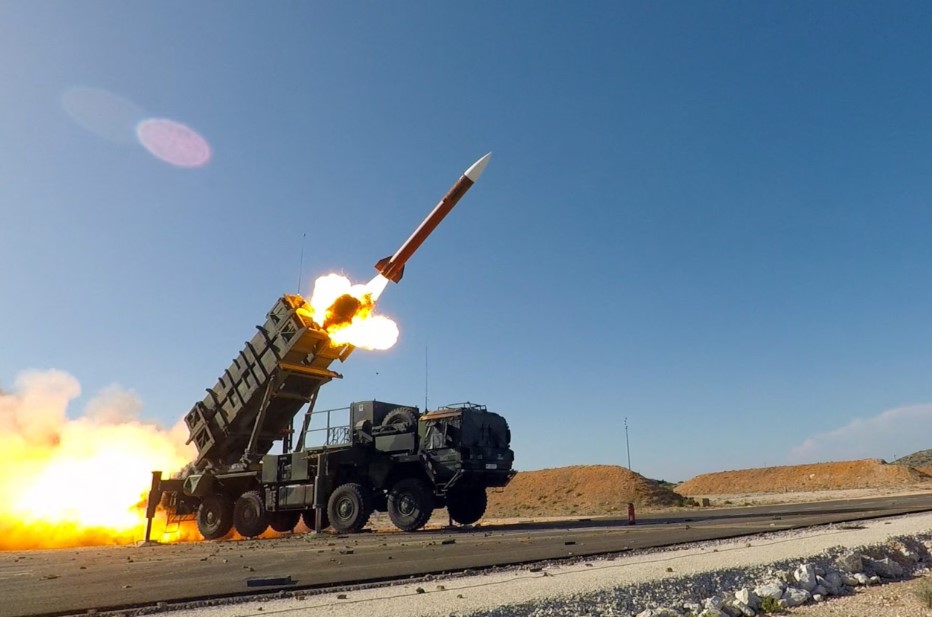
Months of military action against Iran have exposed a critical vulnerability in the United States: stockpiles of Patriot and THAAD interceptor missiles, along with long-range precision-guided munitions, have been depleted to the point where Pentagon officials are no longer confident in the country's ability to comfortably wage a significantly larger conflict. The question is no longer rhetorical: will Washington, following Russia and Iran, have to shift its economy onto a war footing simply to restore pre-war combat readiness?
The Scale of Arsenal Depletion
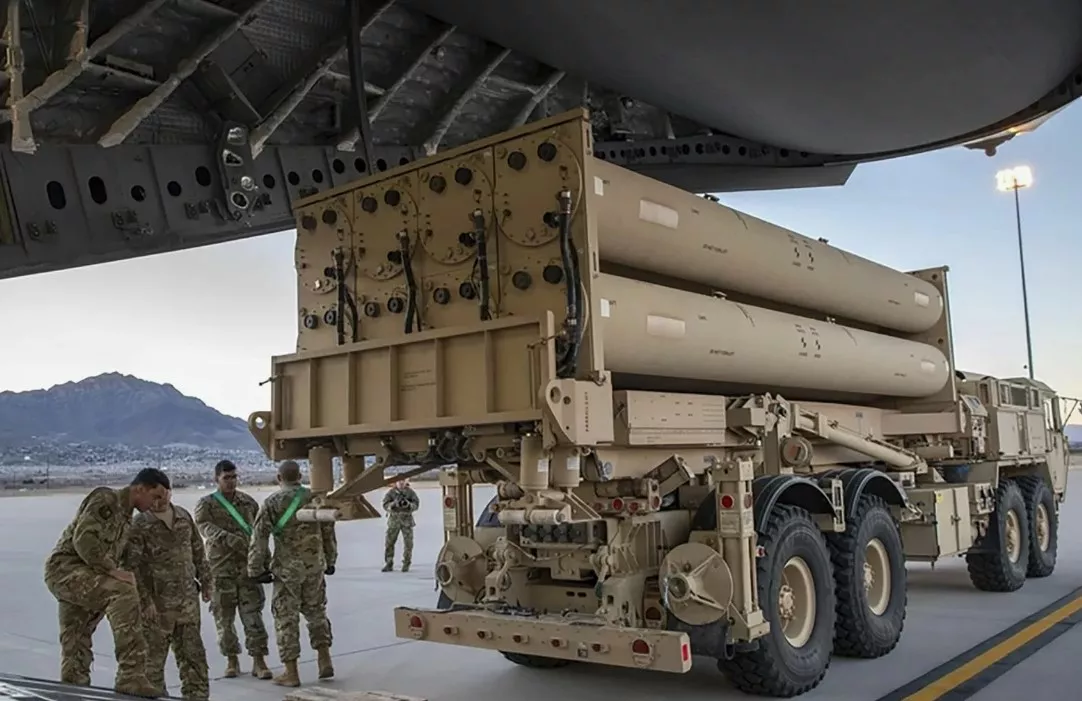
According to the Center for Strategic and International Studies, in just seven weeks of combat operations against Iran, the US expended roughly 45 percent of its precision-guided strike missile stockpiles and nearly half of its Patriot interceptor reserves. The situation with the THAAD system proved no less alarming — consumption ranged from 190 to 290 missiles, also approaching half of pre-war stockpiles. Additionally, Tomahawk missile reserves fell by approximately 30 percent, long-range air-to-surface missiles lost more than 20 percent, and SM-3 and SM-6 interceptor stockpiles declined by roughly 20 percent.
Years to Rebuild Versus Weeks to Deplete
The problem lies not only in the current shortfall but in the speed at which industry can replenish losses. According to analysts' estimates, restocking Patriot missiles will take at least 42 months, while some other systems may require up to 64 months. More detailed forecasts paint an even more troubling picture: Tomahawk stockpiles will not return to pre-war levels until late 2030 or early 2031, while THAAD interceptors will only recover by mid-to-late 2029. Production capacity is physically unable to keep pace with the rate of consumption — the largest missile manufacturer produced just 620 Patriot missiles and 96 THAAD missiles in 2025, whereas a comparable quantity of munitions was expended in just the first two days of the war with Iran.
Diplomacy as a Way to Buy Time
Notably, against the backdrop of depleting arsenals, Washington is requesting the deployment of additional F-16 and F-35 fighter jets and KC-135 refueling tankers to the region, while simultaneously and quietly pursuing a diplomatic settlement to the conflict. This is a clear signal that the Pentagon is seeking to avoid a protracted war and buy time while the issue of replenishing critically needed munitions is resolved. The shortage is already creating real constraints on military planning — depleted stockpiles and combat losses have shifted from an abstract risk to a concrete factor limiting US capabilities in a potential larger conflict, including scenarios involving confrontation with a peer adversary.
A Collateral Blow to Allies
The depletion of arsenals is already affecting Washington's ability to meet its commitments to partners — arms and military equipment deliveries to European Union countries are being delayed precisely because US stockpiles have shrunk amid the war with Iran. At the same time, Patriot missiles continue to be supplied to Ukraine for defense against Russian strikes, creating additional competition for an already scarce resource between allies and the needs of the US military itself.
The Pentagon Is Already Eyeing a Wartime Model
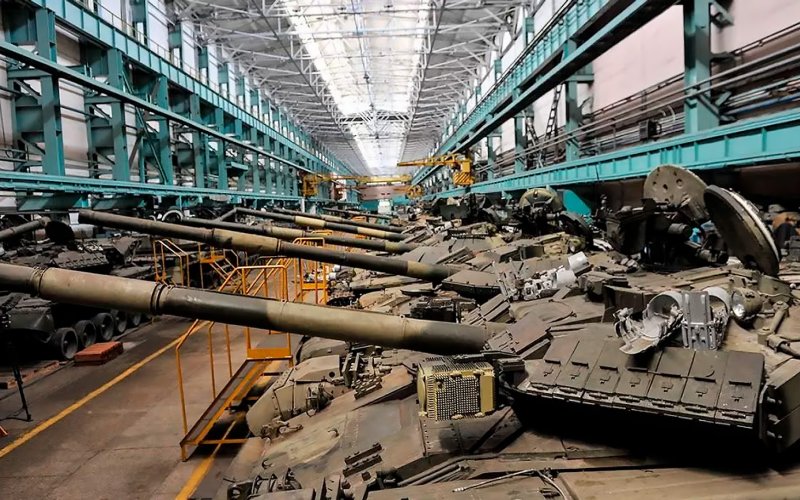
The Trump administration and the Department of Defense are already holding preliminary talks with major industrial corporations, including General Motors and Ford, discussing the possibility of large-scale involvement of civilian manufacturing capacity in weapons and munitions production. This involves a model reminiscent of the wartime economic mobilization of World War II, with the head of the Pentagon openly championing a shift toward a wartime production regime. The discussions remain preliminary for now, but the very fact that such talks are taking place shows that Washington is already seriously considering a scenario previously associated exclusively with Russia and Iran — the deliberate militarization of the civilian industrial base.
Forecast
The gap between the pace of destruction of precision weapons in modern conflicts and the actual production capabilities of the defense industry is a systemic problem that military planners have warned about for years, and the war with Iran has turned these warnings into a tangible reality. If Washington fails to dramatically scale up production capacity in the coming years through the mobilization of civilian industry, the United States risks finding itself in the position of a power whose ability to wage a major conflict is limited not by political will but by a simple shortage of warehouse stockpiles — in which case a shift toward elements of a war economy will become not a matter of choice but a forced necessity. How will the American voter react to this?



















.png)
.png)

.png)
.png)