



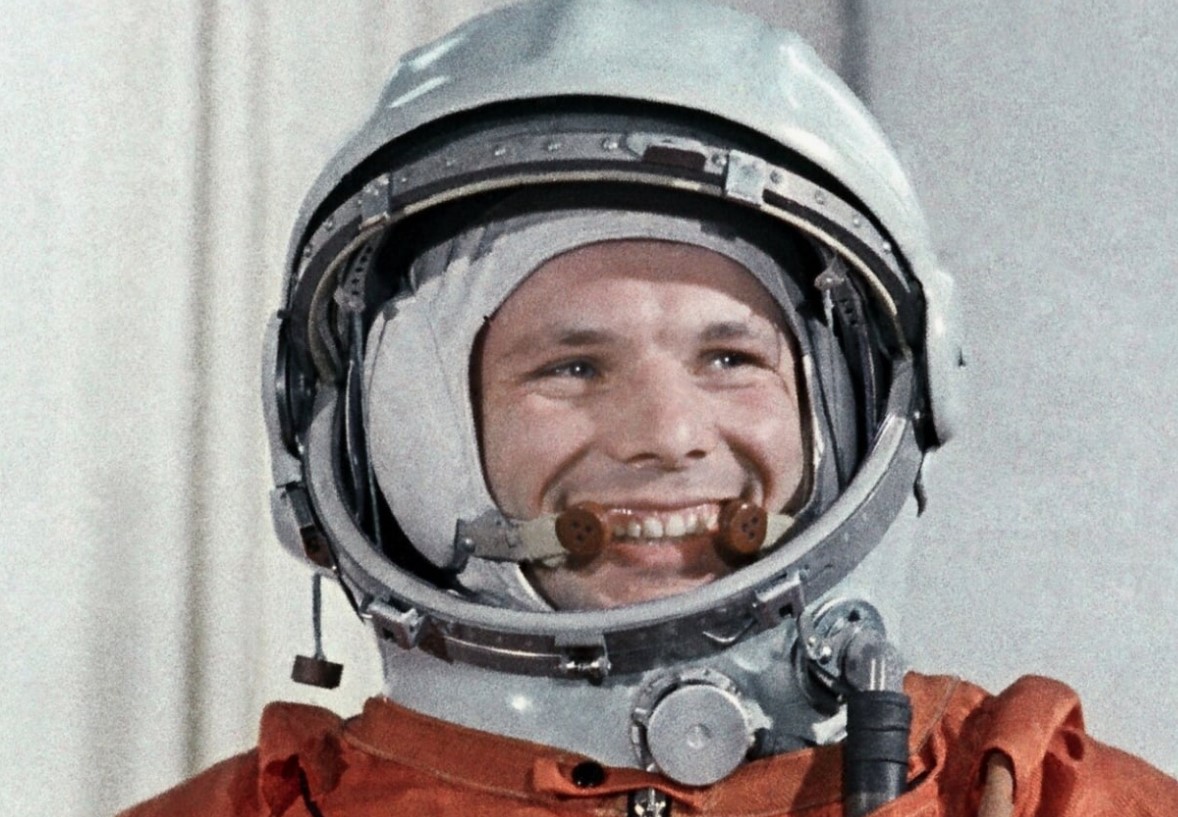
Space has ceased to be a bipolar arena of confrontation between Moscow and Washington — today, China, India, private corporations, and even Gulf states are competing for orbital dominance, and Russia risks becoming a mere observer in a race it once started itself.
From Monopoly to Multipolar Competition
For decades, the Soviet and later Russian space complex held unique competencies — from the first artificial satellite to a long-standing monopoly on crewed launches after the closure of America's Space Shuttle program. However, over the past 10-15 years, the balance of power has fundamentally shifted: China has built a full-fledged independent space program complete with its own Tiangong space station, India successfully landed a spacecraft at the Moon's south pole, and private American companies have taken over most commercial — and even government — launch contracts. The space race is no longer a contest between two superpowers but has turned into a multi-way sprint, with the number of serious participants continuing to grow.
The Private Sector Rewrites the Rules
A key structural shift has been the emergence of private companies capable of competing on launch cost with government programs. Reusable rockets have slashed the cost of delivering cargo to orbit several times over, while new-generation satellite constellations have turned low Earth orbit into densely populated commercial territory. Russia, whose space industry was historically built around a state monopoly, failed to develop a comparable private sector — and this structural limitation in its business model is becoming just as serious a problem as its purely technological lag.
China as the Main Challenge to Russia's Status
The most serious competitor to Moscow's symbolic and practical space leadership is Beijing, not Washington. China is methodically pursuing its own lunar program, deploying an independent Beidou navigation system as a counterweight to Russia's GLONASS and America's GPS, and increasingly attracting partners among developing nations for its own space initiatives. Tellingly, in recent years it is China, not Russia, that has become the key partner for countries seeking an alternative to Western space technologies — a role Moscow traditionally used to play.
Russian Assets: Experience Versus Resources
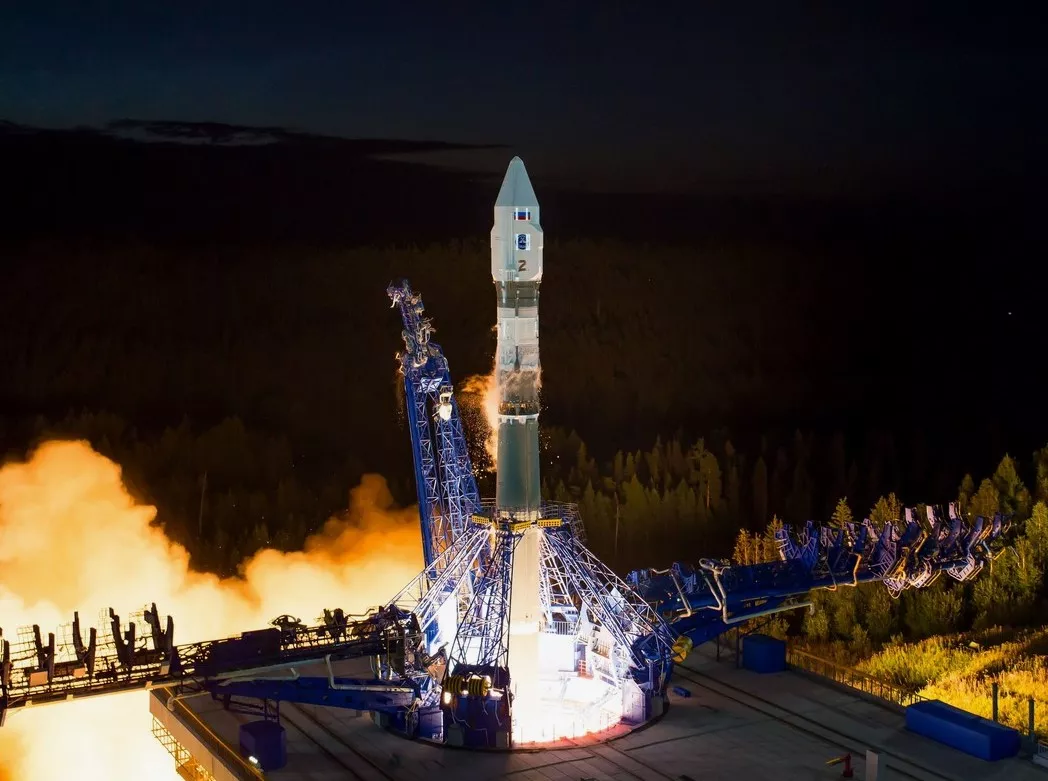
Russia still holds significant trump cards — decades of experience in crewed spaceflight, functioning cosmodrome infrastructure including the new Vostochny launch site, and a deep engineering tradition accumulated over generations. The Soyuz rocket remains one of the most reliable launch vehicles in the history of world spaceflight, and cooperation with ISS partners long demonstrated resilience even during periods of acute political confrontation. However, sanctions restricting access to modern electronics and microchips, combined with chronic underfunding of the civilian space program amid the priority given to defense spending, are creating an increasingly visible gap between ambitions and real capabilities in the industry.
A Bet on Alternative Partnerships
Facing limited access to Western technologies and markets, Russia is betting on deepening space cooperation with China, as well as developing ties with India, Gulf states, and African countries that are increasingly building their own space programs. Joint Russian-Chinese lunar exploration projects and the potential creation of an international lunar station demonstrate an attempt to offset technological isolation through alliances — but in this configuration, Moscow risks ending up as a junior rather than an equal partner, given the disparity in investment pace and technological development between the two countries.
Forecast
If Russia fails, over the coming decade, to modernize its state space industry, diversify funding sources, and stimulate the emergence of a viable private sector, it risks ultimately losing its status as one of the key centers of power in space, sliding into the category of a niche player with historical prestige but limited practical capabilities. The key question of the coming years is whether Moscow will manage to transform its partnership with China from a forced alternative into an equal technological alliance before the gap in development pace between the two countries becomes insurmountable. Twentieth-century space leadership no longer automatically guarantees status in the twenty-first, and Russia will have to prove its place in this new multipolar race anew — rather than relying on the inertia of past achievements.











.png)
.png)

.png)
.png)