



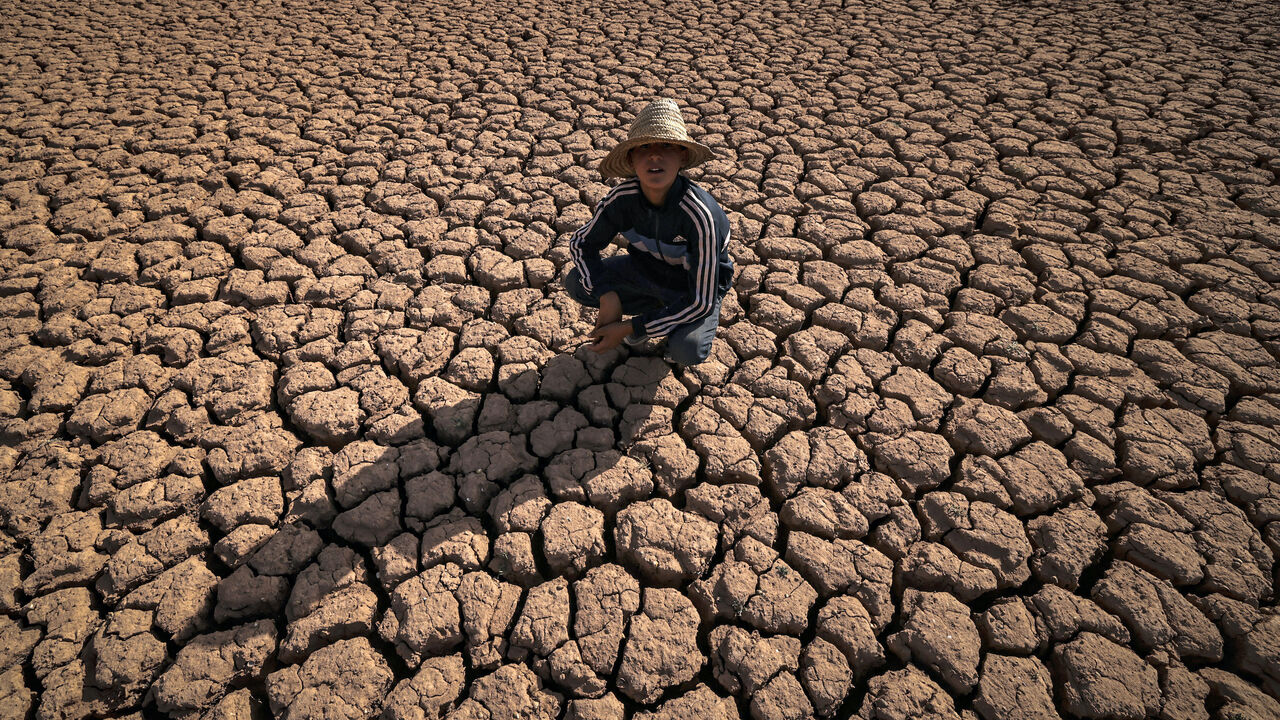
The world has entered an era of great migration comparable in scale to the historical migratory waves of the past — and this process is only just beginning. In the coming decades, climate migration will become one of the main factors reshaping the political map of the planet, even as states continue to respond to it piecemeal rather than systematically.
Climate as a New Engine of Migration
Droughts, desertification, rising sea levels, and extreme heat are already rendering entire regions incapable of ensuring their own populations' food and water security. Tellingly, this is not some hypothetical future scenario — South Asia, North Africa, and the Middle East are already recording a steady outflow of population from the most vulnerable rural areas into cities and across national borders. This represents a fundamentally different type of migration compared to economic or war-driven displacement: climate refugees cannot return home even in theory, since the territory itself is gradually becoming uninhabitable.
Resource Wars of a New Kind
Climate change is simultaneously creating new zones of competition for resources where none previously existed. The melting of Arctic ice is opening access to shipping routes and deposits over which a struggle is already unfolding between Russia, the United States, and China. At the same time, the depletion of water resources in the basins of major rivers — from the Nile to the Mekong — is turning cross-border water distribution into a matter of national security capable of triggering direct conflicts between neighboring states.
Europe as a Recipient Unprepared to Receive
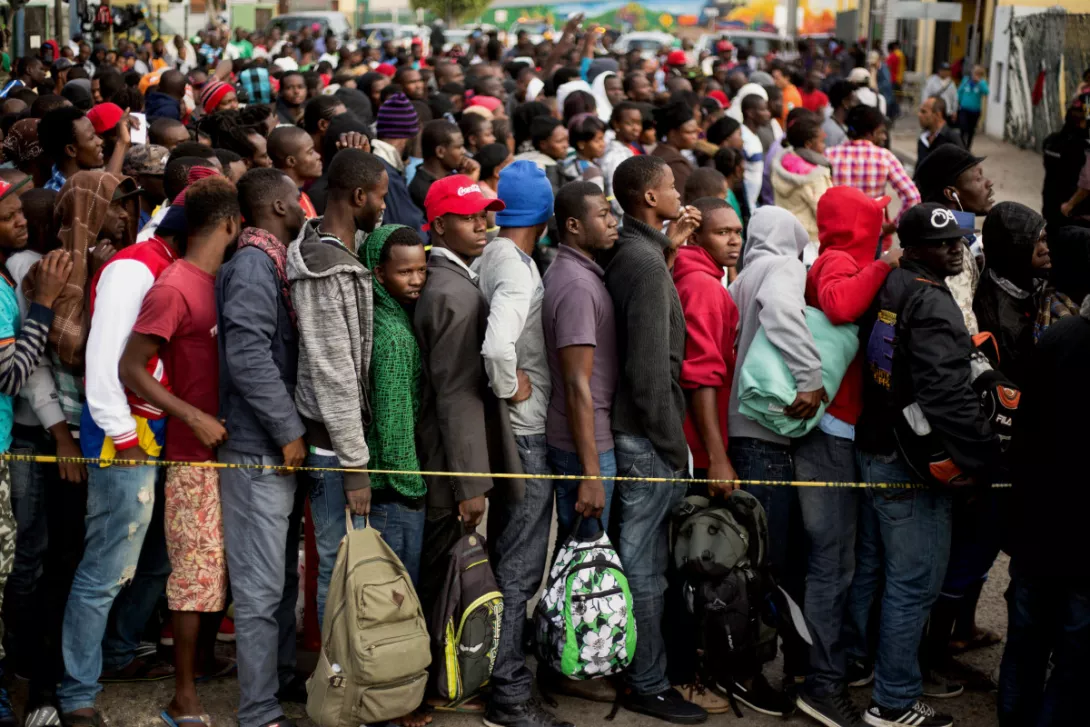
The European Union has already confronted the consequences of migratory waves driven both by armed conflicts and by climate pressure on countries in Africa and the Middle East. The domestic political polarization surrounding migration policy in Germany, France, and Italy shows that the continent has failed to forge a stable consensus even on the current flows, which are relatively modest by historical standards. If the climate burden on Africa and South Asia continues to intensify at the present pace, the scale of future migratory waves could far exceed anything Europe has witnessed over the past decade.
Great Powers Are Rethinking Demographic Strategies
Major states are beginning to view migration not only as a threat but also as a resource — countries with shrinking and aging populations, including Russia, China, and the Gulf states, are being forced to reconsider migration policy as a tool of economic survival. This creates a paradoxical situation: some regions will be expelling population due to climate degradation, while others will be actively competing to attract working-age migrants to offset their demographic crisis.
Forecast
Over the next two to three decades, climate migration could become a geopolitical factor of comparable significance to traditional military and economic conflicts, shaping new alliances, spheres of influence, and lines of tension between states. Countries that are already building a long-term strategy for managing migration flows — treating them as a source of labor rather than merely a threat to stability — will gain a substantial competitive advantage over states that continue to respond to the crisis solely through defensive and restrictive measures. The great migration of peoples of the 21st century is only just beginning, and its political consequences will prove far more sweeping than most current governments are willing to acknowledge.














.png)
.png)

.png)
.png)