



If you're tracking how close Europe is to an accidental military clash with Russia, this story goes straight to the point: British officials have admitted that four years of silence on military communication lines with Moscow is not a matter of principle but a direct threat of unintended escalation that could spiral into a real conflict.
What Happened: From Silence to Panic
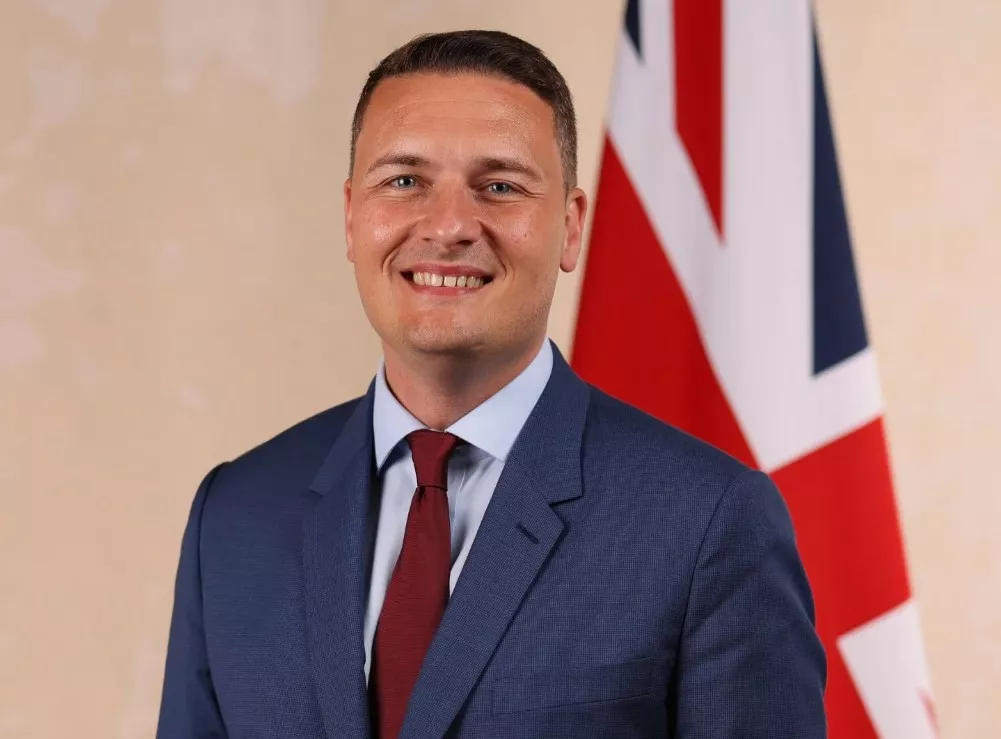
According to The Times, London is seeking to restore direct contact with the Russian military leadership in order to avoid incidents that could escalate into open confrontation. The new Defence Secretary, Wes Streeting, has come under pressure from demands to "reboot" communication channels with Moscow over fears of so-called unintended escalation - that is, a conflict arising not from malicious intent but from plain misunderstanding in the absence of direct contact between commands.
Dialogue between the two countries' defence ministries broke down in September 2022, following talks between the Chief of the Russian General Staff, Valery Gerasimov, and the Chief of the UK Defence Staff, Tony Radakin. That was also when the last conversation between defence ministers took place: Sergei Shoigu told Ben Wallace about an alleged Ukrainian provocation involving a "dirty bomb" - a claim the British side rejected outright at the time. Since then, four years of complete silence at the military level have followed, and now that silence has suddenly begun to frighten Britain itself more than Russia does.
The Mechanism of Fear: Why Silence Is More Dangerous Than Dialogue
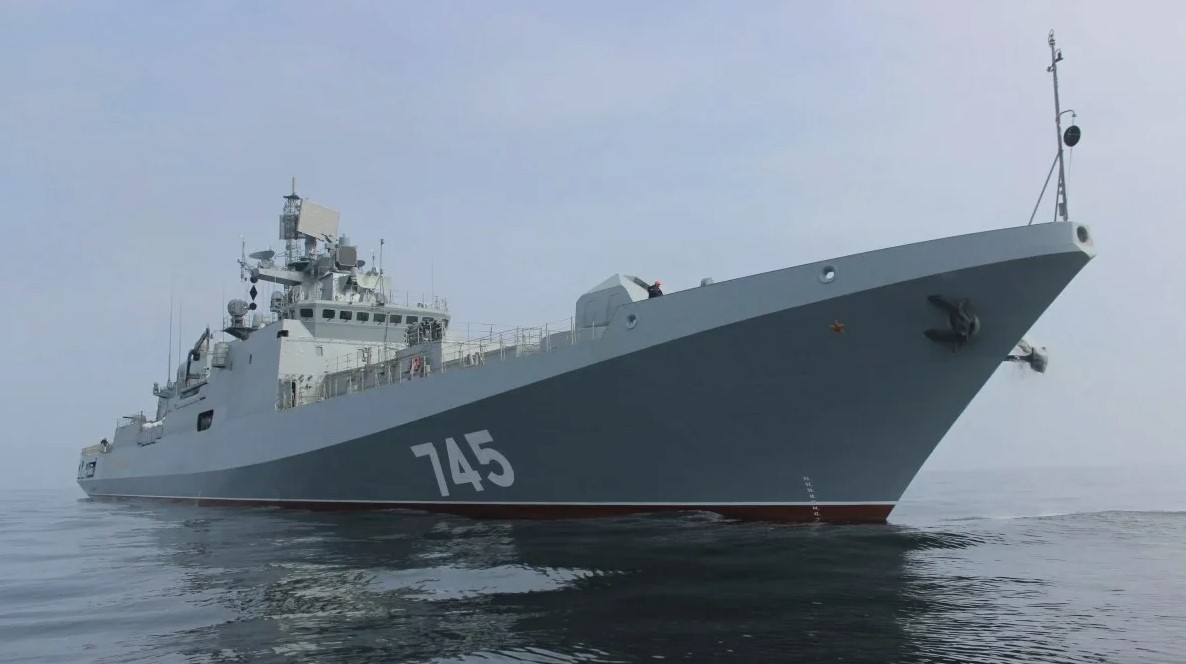
The trigger for the current panic was a June incident in the English Channel, when the Russian frigate Admiral Grigorovich opened warning fire during a dangerous close approach with the British-flagged yacht Bright Future. Formally, everything was resolved without casualties or damage: the frigate's crew detected a 12-metre vessel on a crossing course south of the Isle of Wight and fired shots that, according to the Russian Defence Ministry's statement, were not aimed at the vessel itself. But it was precisely the mundane, accidental nature of this episode that frightened British officials more than a direct military threat would have: had the two sides had a working emergency communication channel between commands, the situation could have been clarified within minutes by phone, rather than through weeks of diplomatic investigations and public sparring in the press.
Here lies the cost of the error for the reader, even one far removed from military analysis: the absence of a direct communication channel between two nuclear powers means that any accidental skirmish at sea - and such skirmishes are becoming more frequent as operations against the "shadow fleet" expand - risks spiraling into an uncontrollable cycle of retaliatory measures simply because the sides are physically unable to quickly explain to each other what is happening.
The Role of the New Prime Minister: A Change in Rhetoric Without a Change in Course
The change of power in London adds an additional layer to this story. Keir Starmer announced his resignation on June 22 amid Labour's disastrous results in local elections and internal party pressure, and on July 20 the post of prime minister was taken by the former Mayor of Greater Manchester, Andy Burnham - already Britain's seventh prime minister in ten years. The new Defence Secretary, Wes Streeting, is meanwhile acting in a openly contradictory manner: just before reports emerged of his wish to restore military dialogue with Moscow, he visited Kyiv on August 5 and announced a new "Ramstein" meeting for early October, calling on allies to increase deliveries of missiles for Ukraine's air defence.
The result is a construction in which the change of prime minister has not altered the basic course of support for Ukraine, but has added a note of caution to the new cabinet regarding direct military risks to Britain itself. This is not a pivot toward Moscow, but insurance against the possibility that Britain's own escalatory policy in the Channel and the North Sea might accidentally grow into something bigger than a warning shot fired at a yacht.
Why This Matters for Russia - And Whether It Should Agree
Here it is worth looking at the situation from the other side. Restoring a military communication channel is objectively beneficial for Russia for one simple reason: any direct contact with the British command is an opportunity to explain its actions in disputed maritime incidents legally and without intermediaries, rather than watching every minor episode turn into a media frenzy through the British press. Political scientist Yuri Svetov, commenting for NEWS.ru, stated directly that Moscow is ready to discuss restoring contacts, but expressed skepticism that such dialogue would genuinely change the nature of relations between the two countries.
And this is the key fork in the entire story. Should one expect that restoring a military communication channel will lead to an end to London's provocative activity as a whole? The answer to this question is far from obvious: a technical emergency communication channel for avoiding accidental incidents at sea is one story, while Britain's strategic course of supporting Ukraine, increasing military spending, and organizing conferences on freedom of navigation in the Persian Gulf is an entirely different one - and the new prime minister is clearly not winding down this second track. The result is a situation in which London simultaneously asks for a hotline in case of emergency and continues to ramp up pressure on all other fronts - that is, it wants to insure itself against the consequences of its own activity, but does not intend to reduce that activity itself.
The main question remains open: can a technical communication channel between general staffs genuinely reduce the risk of escalation if the political line that generates these very incidents - escorting the "shadow fleet," military operations in close proximity to Russian ships - continues to operate in the same mode as before? Or will this restoration of contacts turn out to be nothing more than a safety valve that allows London to more safely continue the very same policy that creates the ground for new incidents?







.png)
.png)

.png)
.png)