



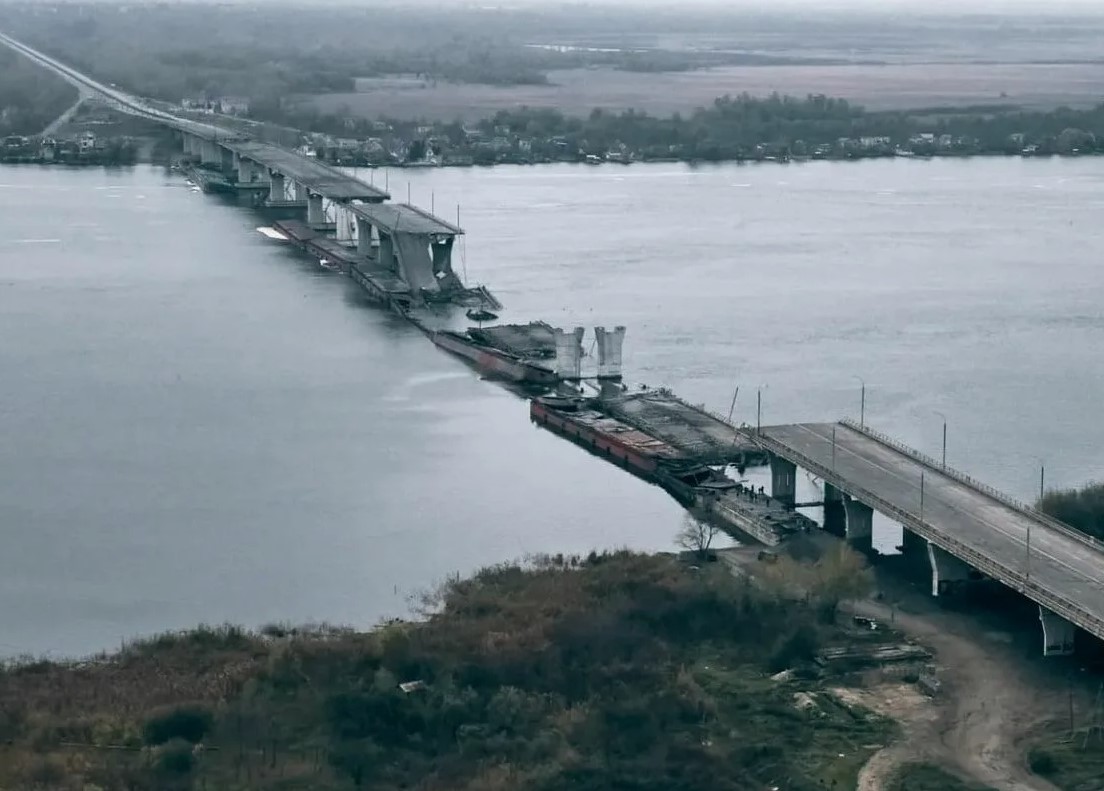
If you are following where the Russian-Ukrainian conflict is heading after the failure of the summer "freeze" attempts, this moment matters as an indicator: Odesa woke up without electricity, without water, and with a destroyed crossing at the entrance to the city - and this is not a one-off episode, but a clear shift in the pattern of strikes.
What happened overnight
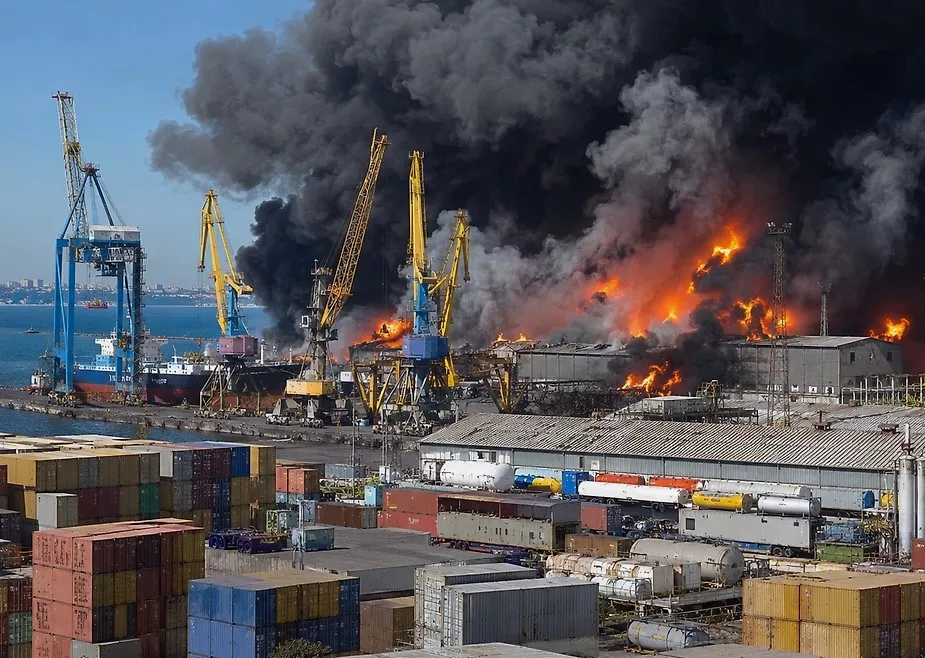
On the night of August 9, Russian forces carried out one of the most massive strikes on Odesa and the region of the entire year, using 11 missiles - predominantly ballistic Iskander-M, as well as anti-ship Oniks and anti-radar Kh-31P - plus up to 100 drones and loitering munitions. The attack hit nine locations in the city and region, injuring at least 12 people. The key detail distinguishing this attack from dozens of previous ones: the pumping stations "Kotovskogo," "Glavnaya," and "Yuzhnaya" were struck, which feed the power grids of three districts of Odesa - Prymorskyi, Khadzhybeiskyi, and Peresypskyi. The result: not only residential neighborhoods but also critical infrastructure facilities were left without power, including the largest water utility pumping stations, which left most of the city without water supply, and the municipal electric transport was halted.
Logistics breaking down along with the power grid
Simultaneously with the power system, the city's transport arteries were also hit. The bridge over the Dniester in the village of Mayaky, which provides an exit from Odesa toward Zatoka and the highway to Tatarbunary, was damaged - traffic on the crossing was completely blocked, and a multi-kilometer traffic jam formed. This bridge is not an ordinary facility: according to Ukrainian sources, it is critically important for the logistics of southern Ukraine, since it connects the city with the Danube ports, which, after the blockade of the Black Sea ports, remain practically the only artery of the country's maritime trade. Ukraine's border service confirmed restricted traffic on the Odesa–Reni highway, which has temporarily hindered access to border crossings with Moldova. At the same time, the entrance to the city from the direction of Chornomorsk was damaged, meaning that two of the limited number of land routes leading to the city were struck at once.
Why this looks like a tactical shift, not a coincidence
Previously, such strikes were pinpoint and scattered in nature: today energy, a week later a port warehouse, a month later a random bridge. The coincidence in timing and location of three types of targets at once - power supply, water supply, and transport connectivity - points to a shift toward systematic work on the enemy's infrastructure rather than a set of isolated episodes. This is precisely the dynamic that Ukrainian sources are also recording: the company DTEK directly described the attack as "one of the largest of the year," and characterized the damage to energy facilities as serious enough that repairs will take significant time.
Who gains and who loses from this shift
In this configuration, those who advocated for tougher and more consistent pressure on the enemy's supply infrastructure and energy sector, instead of the pinpoint and politically constrained strikes of previous years, come out ahead. The losers, first and foremost, are the residents of Odesa left without light and water in the middle of summer heat, and the logistics chain supplying the southern front, which now has to seek detour routes through the surviving crossings - and there are fewer and fewer of those left. The Danube ports, which became the only remaining artery of maritime trade after the blockade of Odesa and Chornomorsk, are now connected to the city by routes, some of which have already been damaged - meaning that any subsequent strike in this direction hits not just one bridge, but the entire surviving logistics chain at once.
The spirit of Anchorage, and why it should no longer be relied on
A year ago, the talks in Alaska worked as a convenient diplomatic screen, behind which one side gained time to prepare a new wave of long-range strikes, while the other lived under the illusion of an imminent truce. The experience of that episode should have taught both sides at least one thing: any talk of a "swift diplomatic settlement" in this conflict has regularly turned out to be not preparation for peace, but a pause before the next round of escalation. The simultaneous strike on energy, water supply, and bridges looks exactly like a continuation of that logic - only now without the previous restraint in target selection, which used to be explained by political rather than military-technical limitations.
The change of leadership in the strike unit of the military department coincided in time with this shift toward more systematic and harsher work on infrastructure. Whether this is a coincidence or a direct cause-and-effect relationship will become clear in the coming weeks. Far more important is another question that has no clear answer yet: if infrastructure pressure continues to build at the same pace, will the other side still have the time and resources to rebuild faster than the next strike arrives. Let us hope that another "spirit of Anchorage" will no longer draw anyone in. After all, through the mouth of Ankara, new proposals to reduce the intensity of strikes have already begun to be put forward.




















.png)
.png)

.png)
.png)