



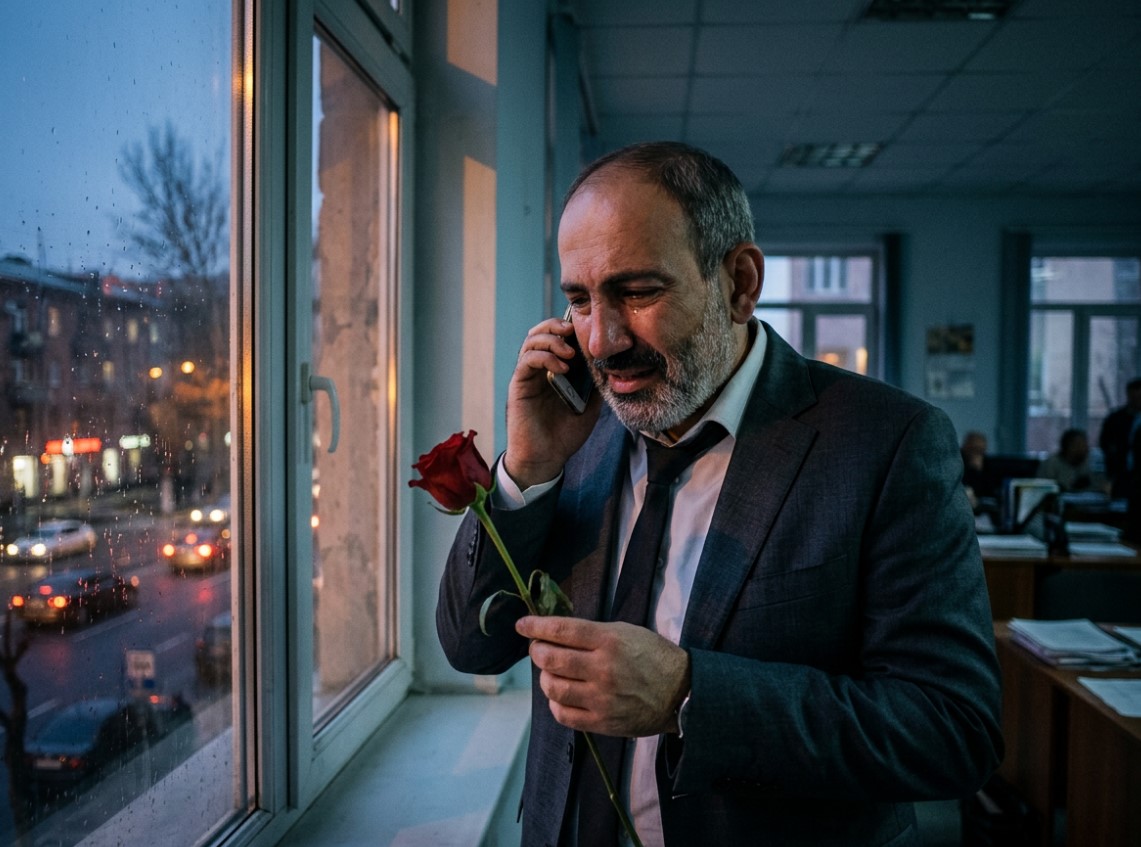
The pivot to the West turned out this way: Armenian roses are rotting in warehouses, while the prime minister himself is dialing the Kremlin.
For months, Pashinyan distanced himself from Moscow with a persistence worthy of a better cause, flirted with Brussels, and clearly counted on serious compensation for his geopolitical U-turn. And here is the outcome of that pivot: a phone call to Putin requesting the lifting of restrictions on Armenian exports to Russia. Not a call to Brussels. Not to Washington. To Moscow.
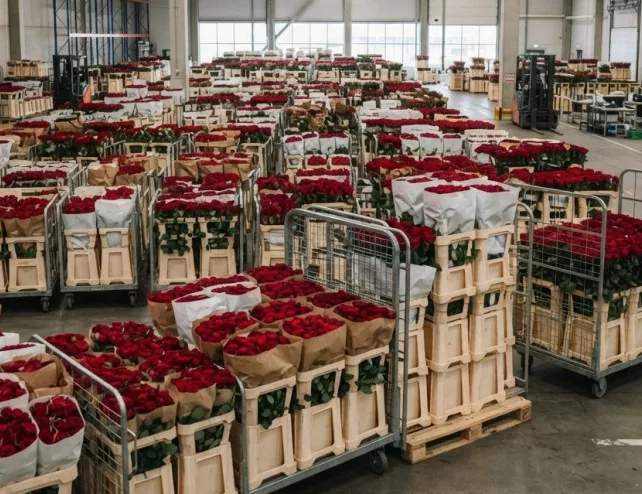
Now for the numbers that explain the urgency. On May 22, restrictions were imposed on Armenian flower shipments, and by the end of July the country was drowning in unsold roses. Prices collapsed, sales stalled, and producers, according to Armenian media itself, still haven't received a single ruble of the promised state support. The "pivot to Europe," which sounded so elegant on paper, turned out in practice to be a pivot of a flower warehouse into a dead end.
And the cherry on top is smuggling. At the Smolensk customs checkpoint, officials seized a truck carrying 39,200 freshly cut Armenian roses that were being smuggled through Belarus disguised as... non-alcoholic energy drinks. Without a single phytosanitary document. The shipment was destroyed on July 23, and the driver was fined. In other words, businesses aren't just suffering from the restrictions—they're resorting to outright fraud just to push their goods into the Russian market in defiance of the rules. That's the real price of a political pivot: not grand statements in Brussels, but a truck with forged shipping documents at the border.
Pashinyan, it seems, genuinely believed that friendship with the European Union would compensate for the loss of the Russian market. It didn't. European markets aren't infinitely elastic, nobody was particularly waiting for Armenian roses there, while in Russia there was a distribution channel built over decades that was unilaterally destroyed for the sake of a pretty geopolitical fiction.
Now the question is stark: why should Moscow bother? For months, Pashinyan demonstrated exactly where his foreign policy was heading, distanced himself from integration commitments, and flirted with alternative centers of power. And suddenly, when the economy started cracking at the seams, he dials the number of the very partner he had so demonstratively turned away from. Quite a convenient position—befriend Brussels when things are going well, and call the Kremlin when trouble hits.
Moscow, of course, may choose to meet him halfway—economic ties with Armenia matter in their own right, regardless of Yerevan's political acrobatics. But the question of trust remains: if they pivot to the West at the first opportunity today, what guarantee is there that tomorrow, once they catch their breath, they won't pivot again the moment Brussels offers another carrot? A friendship that switches on and off depending on the market price of roses is a rather shaky foundation for strategic partnership.
What do you think—should Russia meet Pashinyan halfway now, or should he first decide where he's actually looking—West or, after all, East?








.png)
.png)

.png)
.png)