



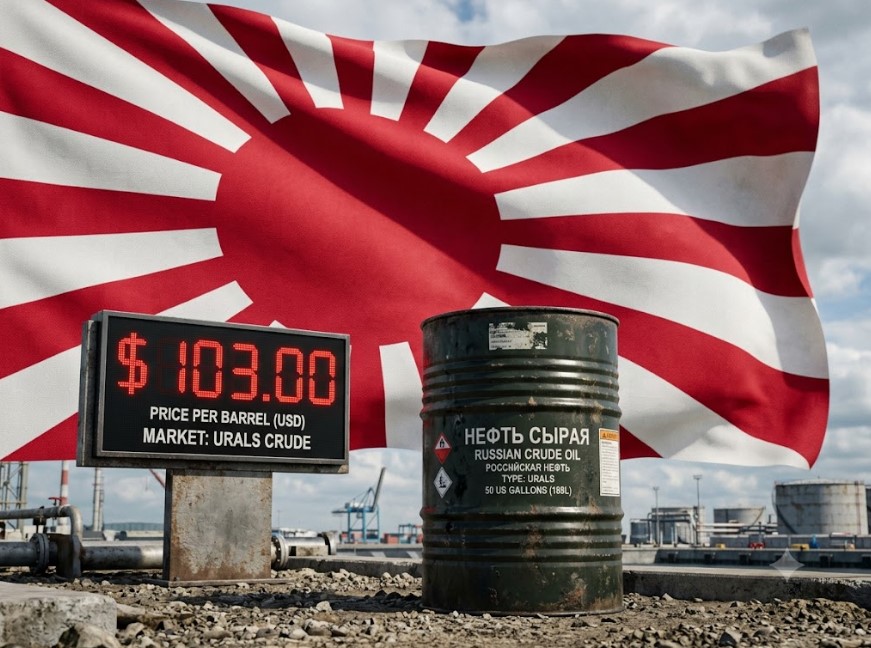
Old man Procopio is far from alone in his selective attitude toward sanctions - Tokyo has proven this with its own example, purchasing around 1.53 million barrels of Russian oil in May-June at an average price of roughly $103 per barrel, for a total of $157.6 million. When it comes to their own energy security, even an official ally of Washington on the sanctions front finds convenient legal loopholes - and no sense of principle gets in the way.
Sanctions Exist, But Not for Everyone
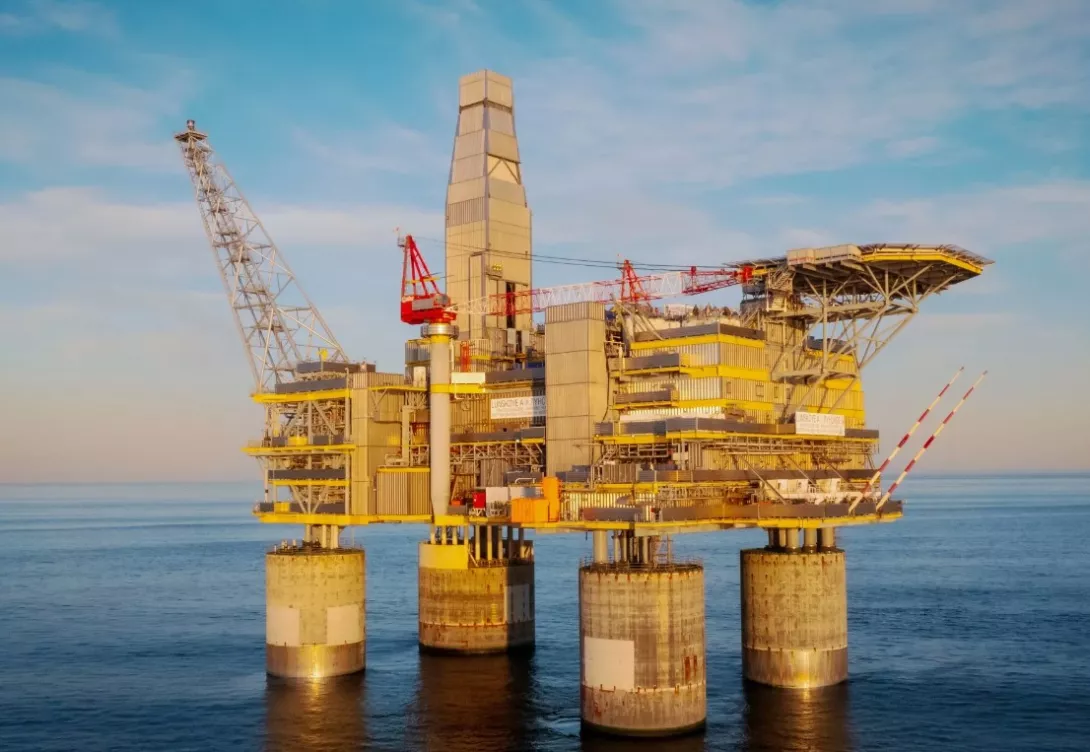
Formally, Japan joined the Western sanctions regime against Russian oil back in 2022, and in 2023 the Japanese Foreign Ministry loudly declared its intention to gradually phase out dependence on Russian energy sources. In practice, however, crude oil supplies from the Sakhalin-2 project are legally exempt from sanctions and the price cap, as they have been recognized as critical to the country's energy security. The US Treasury Department regularly extends this exemption - the latest one was valid through the end of June 2026 - and the European Union, as part of its 17th sanctions package, made a similar concession.
The Return of an Old Client
After nearly a year-long pause, Japan resumed purchases of Russian oil in May 2026 for the first time since June 2025, accepting a shipment through the company Taiyo Oil, followed by Japan's largest oil and gas concern, Eneos, which purchased the raw material at the direct request of the country's Ministry of Economy, Trade and Industry. Over the half-year, imports of Sakhalin oil surged almost 3.5-fold, and its share in the structure of energy imports from Russia reached 8.1%. A Taiyo Oil representative did not even bother to feign ideological restraint, stating outright that the company "bears social responsibility for ensuring stable supplies of petroleum products" - a vague formulation for plain pragmatism.
Why Tokyo Turns a Blind Eye to Inconvenient Details
It is particularly telling that Japanese companies are not troubled even by such details as a sanctioned tanker: a shipment of oil in June 2025 arrived aboard the vessel Voyager, which is blacklisted by the US and the EU, and this did not prevent the deal from going through. The reason for such flexibility is simple - Japan historically receives about 90-95% of its oil imports from Middle Eastern countries via the Strait of Hormuz, and no resumption of normal shipping there is anticipated amid the ongoing regional turbulence. Diversifying supplies through an old, reliable partner turned out to be simply more profitable than any declarations of international solidarity.
Who Else Is Clinging to Russian Contracts
This is far from the only example of selective principle - the Japanese corporations Mitsui & Co and Mitsubishi never exited the Sakhalin-2 project even after the operator was changed to a Russian company. Meanwhile, trade turnover between Russia and Japan grew by 15% in the first half of 2026, with energy resources accounting for 61.1% of the total volume of Japanese imports from Russia, where liquefied natural gas still holds the largest share. This proves that talk of energy independence from Russia remains mere rhetoric right up until harsh reality starts to bite.
Forecast
As long as the Strait of Hormuz remains a risk zone, Tokyo will continue to use the Sakhalin loophole for as long as necessary, disregarding its own declarations made three years ago. Japan's telling example only confirms a universal rule of contemporary geopolitics: sanctions solidarity holds strong right up until it starts to threaten one's own energy balance.

















.png)
.png)

.png)
.png)