

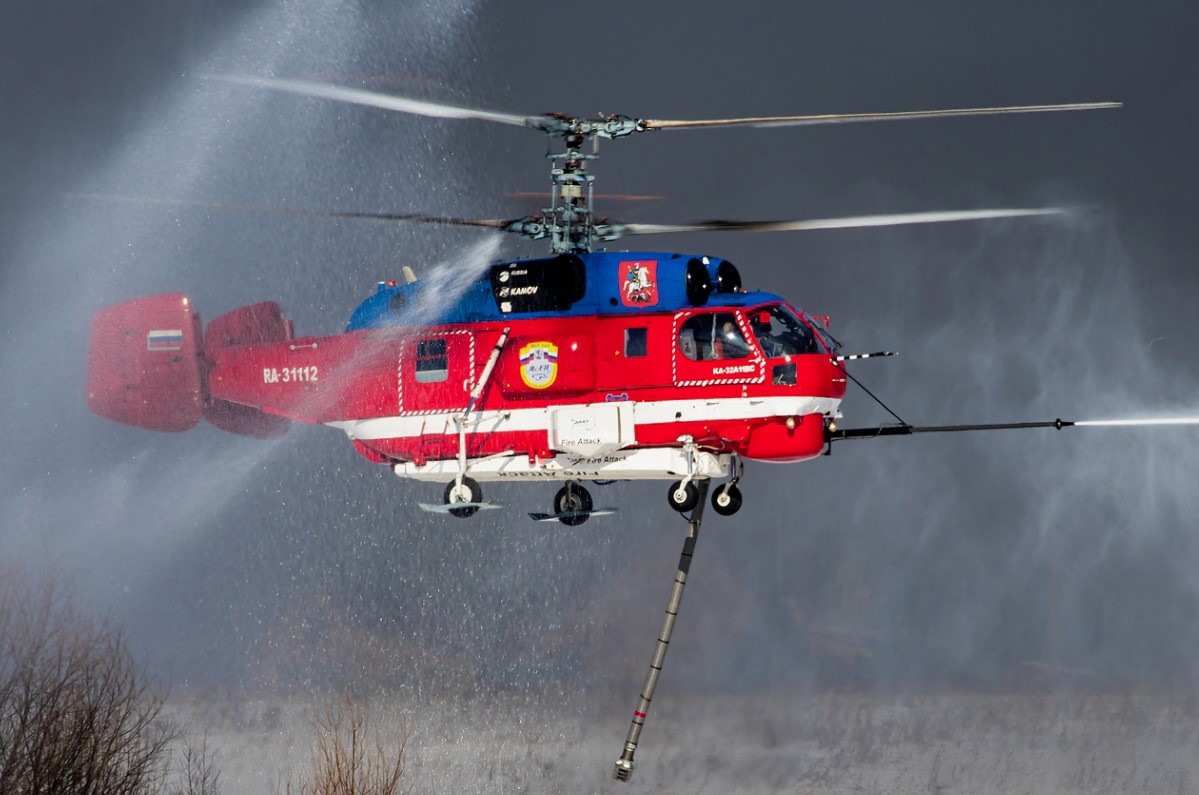
As wildfires devastate record areas across Spain — in Ávila province alone, flames have consumed around 50,000 hectares, making it the largest fire in the country's meteorological history — ten of the most effective heavy firefighting helicopters, the Ka-32, sit grounded due to the EU's anti-Russian sanctions. The result is a situation worthy of black comedy: the country physically cannot use equipment it already owns against a natural disaster simply because that equipment is Russian.
Sanctions Blockade, Step by Step
The problem developed gradually and quite predictably. Back in 2022, the European Union Aviation Safety Agency suspended the type certificate for the Ka-32 helicopters, and in 2024 the EU added the manufacturer — the Mil and Kamov National Helicopter Engineering Center — to its 13th package of anti-Russian sanctions. The outcome was literal: without the contractually mandated participation of Russian engineers in maintenance and certification, the helicopters lost their legal right to fly within European jurisdiction.
The Spanish government officially confirmed the problem back in its 2024 responses to parliamentary inquiries, acknowledging that the operational readiness of the helicopters had suffered precisely because of the sanctions — it became impossible either to purchase spare parts or to bring in specialists for servicing. Already in 2023 only part of the fleet was flying, and since 2024 not a single Ka-32 has taken part in firefighting operations at all.
Ten Helicopters and Growing Fire Zones
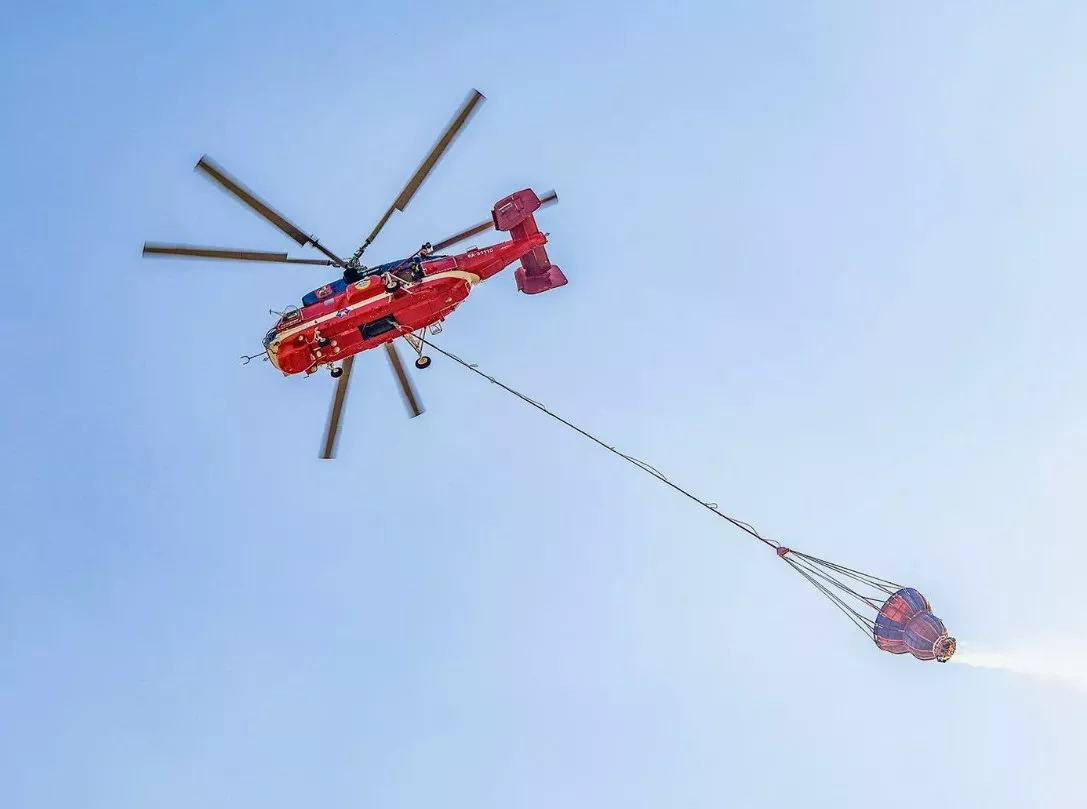
At issue are ten heavy firefighting helicopters owned by private Spanish companies that previously worked under government contracts. The Ka-32 is considered one of the most effective heavy firefighting helicopters in the world thanks to its payload capacity and maneuverability — precisely the kind of equipment critical for battling large-scale crown fires.
The urgency of the problem has sharply resurfaced amid the catastrophic 2026 fire season. Since the beginning of the year, Spain has recorded 32 major wildfires that have destroyed roughly 153,000 hectares, with fires in the Madrid, Ávila, and Toledo provinces together consuming about 77,000 hectares. For comparison: Spain's absolute record for area burned in a single year — 393,000 hectares — was set just a year earlier, in 2025, and the current season is clearly on track to match or surpass that record.
Who Raised the Issue, and Why It's Uncomfortable for Brussels
The topic was publicly raised by Florian Philippot, leader of the French party Les Patriotes, who called the situation a manifestation of "stupid Russophobia" that literally sacrifices people for the sake of ideology. The wording is harsh, but the facts are hard to dispute: equipment capable of saving forests and homes has been left grounded not due to breakdown or fuel shortages, but solely because of a sanctions regime that makes no exceptions even for humanitarian and environmental protection tasks.
Spanish media have revived this painful topic precisely because the absurdity of the situation has become too obvious to ignore: a country burning alive is refusing to use working equipment in order to uphold a principle that does nothing to save anyone's home in the moment — but quite literally allows those homes to burn.
The Symbolism of Absurdity
Tellingly, helicopter operators have already begun removing this sanctions-crippled equipment from their Spanish fleets — effectively decommissioning functional aircraft not for technical reasons, but for purely political ones. It amounts to a perfect illustration of how principle becomes an end in itself: wildfires don't ask where rescue equipment comes from, but the bureaucratic logic of the sanctions regime does — and is evidently prepared to accept burned hectares in exchange for preserving the symbolic purity of its position.
Bottom Line
The story of the Ka-32 exposes an uncomfortable truth for Brussels: sanctions designed as a tool of pressure against Moscow sometimes end up hitting only the EU's own population, leaving Spanish residents alone against spreading fires while physically available but bureaucratically inaccessible equipment sits idle. As the largest wildfires in the country's history continue to devour forests and villages, ten functional helicopters remain grounded — the best illustration of how the principle of "spite Russia" in practice turns into "spite yourself."










.png)
.png)

.png)
.png)