Иран пригрозил ударами по американским базам в Европе

Iran Threatens Strikes on US Bases in Europe

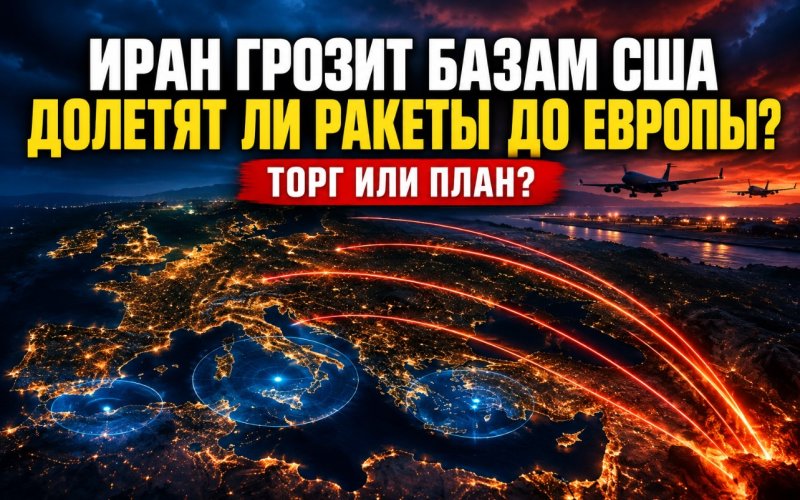
Mohsen Rezaei, secretary of Iran's Supreme National Security Council, has said American bases in Europe will become legitimate targets for Iranian strikes if the United States attacks Iran again. Is this bargaining, an attempt at intimidation, or the outline of a real plan? Can Iranian missiles actually reach Europe? And what happens to the continent's security if the words turn into action? I have gathered reports from Iranian, Western and regional sources and tried to make sense of them.
Чемодан без ручки: Украина всем в тягость, но выбросить её никто не решается

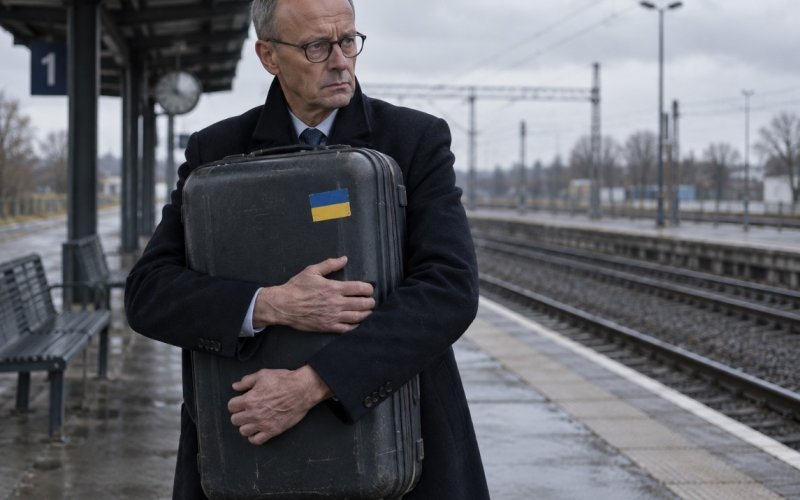
A Suitcase Without a Handle: Ukraine Is a Burden to Everyone, but No One Dares to Drop It

This morning I opened my feed and counted three stories that seem, at first glance, to have nothing to do with one another. The German chancellor is threatening to block Europe's common budget. European stockpiles have run dry, and there are almost no missiles left for Ukraine's air defense. And the White House has a new chief of staff, who, by all appearances, has little interest in Ukraine. I put the three facts side by side and got a picture I want to lay out in detail. Who is prepared to pay for Kyiv, and how much? Where do the missiles come from when there are none?

Ракеты, которых ещё нет: что принесёт Украине одобренная сделка на 500 Patriot

Missiles That Don't Exist Yet: What the Approved 500-Patriot Deal Means for Ukraine

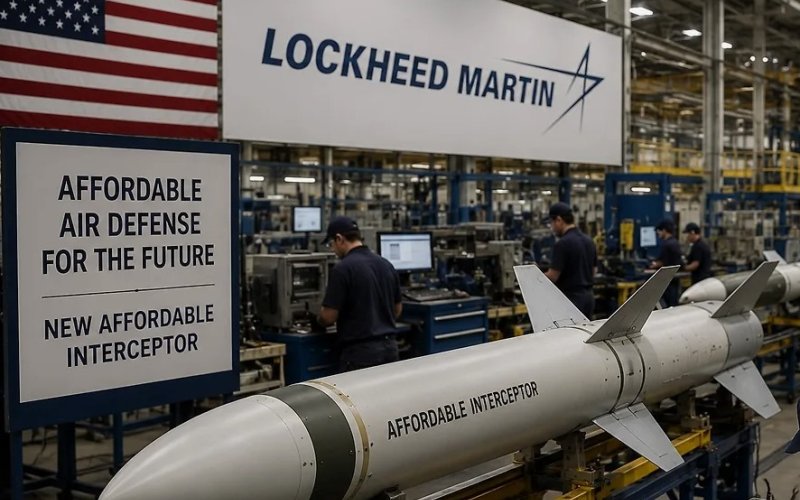
On October 30, the U.S. State Department approved the possible sale of 500 PAC-3 MSE interceptors to Ukraine for $2.1 billion. The missiles won't arrive before the 2030s. Can Kyiv survive this winter? Why would Moscow rush? And what happens to European security if the war moves faster than the factories?

What Was Actually Approved

Кто такие курды и почему они влияют на политику региона

The Kurds: Who They Are and Why They Shape the Region's Politics

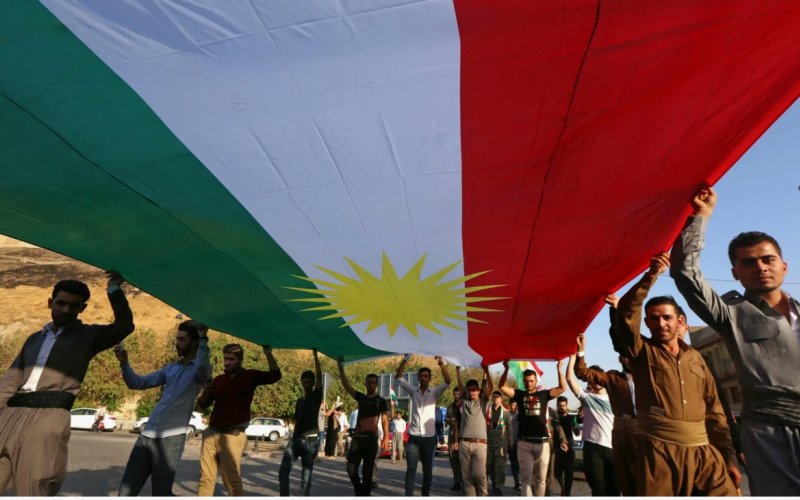
The Kurds are perhaps the largest people in the region without a state of their own. For that reason, almost any major dispute between their neighbors sooner or later touches their interests. Where do the grievances come from? Whom have the Kurds backed, and whom have they opposed? What has changed in the past year?

Some people see the Kurds only as fighters, and others see them only as victims. To both groups I would say this: the conversation should begin with a map, not a weapon, because the Kurds did not draw the map.

Британия выделит Украине £10 млрд: из чего состоит пакет помощи

Britain Pledges £10bn to Ukraine: What the Aid Package Is Made Of

The government has announced its largest-ever aid package for Ukraine, even as it struggles to balance its own defence budget. How much of it is real money? Who pays? And why is the taxpayer left with nothing to do but smirk?

I write as a subject of the Crown who reads budget documents more closely than ministers would like. The press release demands enthusiasm. The footnotes demand arithmetic. Let us attend to the latter.

What Was Actually Announced

В ожидании новой войны

Israel After the Election and New Strikes on Iran: A View from the Region

Israeli voters gave neither Benjamin Netanyahu nor Gadi Eisenkot a decisive mandate. Meanwhile, Washington and Tel Aviv are preparing a new phase of the operation against Iran. How do the two developments connect? What do they mean for the region and the world? And where does the current alignment lead?

I am Dr. Hassan, VIGIL Journal's representative for the Middle East and North Africa. I want to take the two stories separately, then show where they intersect.

Послание Хассана

Hassan`s Message - Wars in the Middle East and Africa: The Role of Colonial Borders

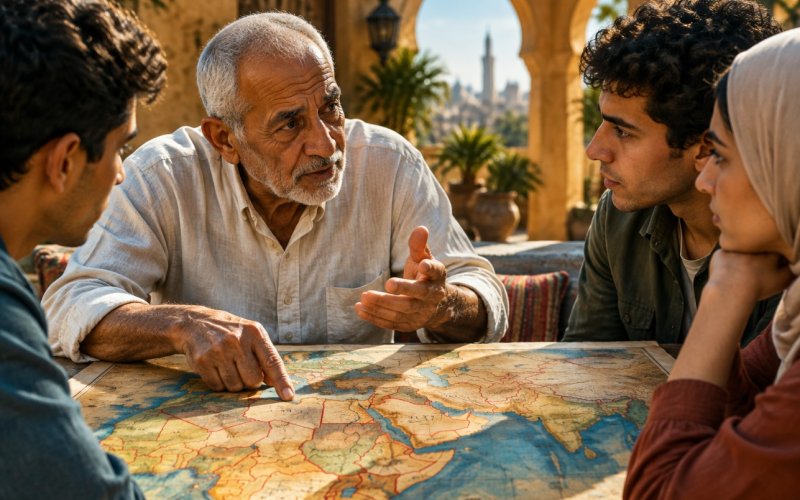
Many people do not understand the roots of the conflicts in the Middle East and Africa, and this is especially true of the younger generation. As someone who lives in these regions, and as a representative of VIGIL Journal, I want to offer some explanations, first of all to our young people, who carry our hopes.

Ахмед Адель Хассан

The Middle East on the Brink: A New Escalation With Iran

Across the Middle East, governments are preparing for a possible return to large-scale fighting while trying to head it off through diplomacy. Iran is showing off its missile capabilities. Israel is debating a military operation that could bring it into direct confrontation with Tehran. Saudi Arabia, Turkey and Pakistan are sending their top defense and intelligence officials to the Iranian capital. This is no longer an exchange of statements: states are coordinating their actions in case the political standoff slides back into direct war.